
Orange Seal Regular Formula Review: Tubeless Bike Tire Sealant with Injector

Disclosure: As an Amazon Associate, we earn from qualifying purchases. If you click a link on this page and make a purchase, we may receive a small commission at no extra cost to you.
A tubeless sealant has one job when you puncture a tire: stop the air loss quickly enough to keep you riding. Orange Seal Regular Formula is designed for fast sealing and comes in this 8-ounce version with an injection system for cleaner installation through a removable valve core. Its strongest points are the claimed ability to seal punctures up to 1/4 inch and its suitability for road, gravel, cyclocross, and mountain-bike setups. The tradeoff is maintenance, because the Regular Formula needs more frequent checking than Orange Seal Endurance.
Quick Verdict
Rating: 8.5/10, Recommended with maintenance caveats
Best For: Riders who want fast puncture sealing and an injector-equipped bottle for routine tubeless maintenance
Bottom Line: Orange Seal Regular Formula combines a strong 1/4-inch puncture claim with a convenient injection system. It is a practical choice for mixed riding, but you should inspect the liquid level regularly instead of treating it as a long-life sealant.
Key Specifications
| Specification | Detail |
|---|---|
| Brand | Orange Seal |
| Product | Regular Formula Tubeless Tire Sealant with Injection System |
| Variant Reviewed | 8 fluid ounces with injector |
| Product Type | Liquid bicycle tire sealant |
| Claimed Puncture Capacity | Up to 1/4 inch under suitable conditions |
| Bike Uses | Road, gravel, cyclocross, and mountain bikes |
| Compatibility | Most bicycle tire systems; valve injection requires a removable valve core |
| Included Accessory | Orange Seal injection system |
| Operating Conditions | Designed to perform across varying temperatures and altitudes |
| Maintenance Note | Check the sealant level often, especially in hot or dry weather |
[Products Worth Considering]

This 4-in-1 tire valve core removal tool helps you deflate, unblock, and remove or install valve cores quickly for easier tire repair. The multifunction design also supports re-taping damaged threads and reaming inside the valve stem for smoother service. Included as a 2-pack, it’s compact for convenient carry and works for cars, bicycles, and motorcycles.

This PXZBLG bike repair kit helps you tackle common tire and on-the-ride issues with a compact, ride-ready tool collection. It includes a mini tire pump supporting both Presta and Schrader valves, a 16-in-1 bike multitool, tire levers, glueless patches with a plastic box, plus 4mm and 5mm Allen wrenches. A convenient bike bag stores everything so you can mount it on your road bike or mountain bike for lightweight, portable preparedness.

This 4-pack kit converts Presta bike valves to standard Schrader valves so you can inflate with any regular pump or air compressor. The solid brass adapters include an O-ring for a tight, leak-proof seal and provide a simple screw-on setup. Compatible with road bikes, mountain bikes, e-bikes, and e-scooters, it’s designed for convenient, everyday carry readiness.
TL;DR
|
Feature |
Verdict |
|---|---|
|
Ease of Use |
Excellent. The included injection system simplifies top-offs through a removable valve core and helps reduce spills. |
|
Sealing Performance |
Strong for common tread punctures, with a manufacturer claim of sealing holes up to 1/4 inch. |
|
Longevity |
Good, but maintenance-heavy. Regular Formula can dry faster than long-life alternatives, especially in heat. |
|
Compatibility |
Broad bicycle coverage, but confirm that your tire, rim, and valve setup is tubeless-ready and has a removable core. |

What Is the Orange Seal Regular Formula?
Orange Seal Regular Formula is a liquid sealant made for bicycle tire systems that rely on sealant to close small punctures and reduce slow air loss. The formula circulates inside the tire, moves toward an escaping-air path, and carries sealing particles into the opening. Orange Seal states that the Regular Formula can seal punctures up to 1/4 inch and work under changing temperatures and altitudes.
The reviewed package is the 8-ounce bottle with the Orange Seal injection system. That combination is useful when you need to add sealant through a Presta valve with a removable core instead of unseating the tire bead. It is not a complete tubeless conversion kit, so rim tape, tubeless valves, compatible rims, and compatible tires may still be required.
Who Should Buy It?
Best For
- Road, gravel, cyclocross, and mountain-bike riders using compatible tire systems
- Riders who value fast sealing more than the longest possible service interval
- Home mechanics who want an injector-equipped bottle for cleaner top-offs
Skip If
- You want a long-life formula that needs fewer inspections and top-offs
- Your valve core is not removable and you do not want to unseat the tire bead
- You need a full conversion kit with tape, valves, and installation tools
Before You Buy: Sealant cannot repair every cut. Large tears, damaged beads, sidewall failures, or holes that will not hold air may require a tire plug, tube, boot, tire replacement, or professional inspection.
Sealing Performance
Fast Response to Common Punctures
The main reason to choose the Regular Formula is speed. Orange Seal positions it as the fast-sealing option in its range and claims performance on punctures up to 1/4 inch. In practice, the result still depends on tire pressure, hole shape, remaining liquid volume, and whether the puncture is in the tread or a heavily flexing part of the sidewall.
For thorns, small shards, and similar tread punctures, the sealant can often close the leak while the wheel is turning. You may see a brief spray before the opening seals. Stop and rotate the damaged area toward the bottom if air continues escaping, then add air once the plug has formed.
Temperature and Altitude Changes
Orange Seal states that the formula performs under varying temperatures and altitudes. That is useful for riders who move between valley heat, mountain conditions, or changing elevation during an event. It does not remove the need for pressure checks, because tire pressure changes with temperature even when the sealant is working correctly.
Ease of Use and Injection System
The injection system is a meaningful advantage over a refill-only bottle. With a removable valve core, you can deflate the tire, remove the core, connect the injector, add the measured amount, reinstall the core, and reinflate. This method avoids peeling a tire bead off the rim for every top-off.
The injector does not seat a loose tubeless tire by itself. A stubborn tire and rim combination may still require a high-volume floor pump, charge pump, or compressor. You should also confirm the fill amount printed on the current product label, because road, gravel, mountain, and high-volume tires do not use the same quantity.
Pro Tip: Shake the bottle thoroughly before measuring. The sealing particles can settle, and an unshaken pour may leave the tire with more carrier liquid than puncture-sealing material.
Longevity and Maintenance
Regular Formula should not be treated as a fill-it-and-forget-it product. Heat, low humidity, porous tire casings, frequent riding, and small leaks can reduce the liquid volume. Technical listings for this formula commonly place its working interval around 30 to 60 days, while Orange Seal markets its Endurance version for riders who want longer gaps between top-offs.
Check the tire at least monthly and more often during hot, dry weather. A dipstick, visual check through the valve, or careful inspection with one bead opened gives a better answer than listening for sloshing alone. Add the label-recommended amount when the liquid is low, and remove dried buildup when it begins to interfere with the valve or tire bead.
How It Performs in Real Use
[Products Worth Considering]

Convert Presta bicycle valves to accept standard Schrader pump nozzles for fast, hassle-free inflation. This kit includes durable brass adapters with leak-resistant connections, plus sports inflation needles and protective valve caps for convenient use on bikes and ball sports equipment.
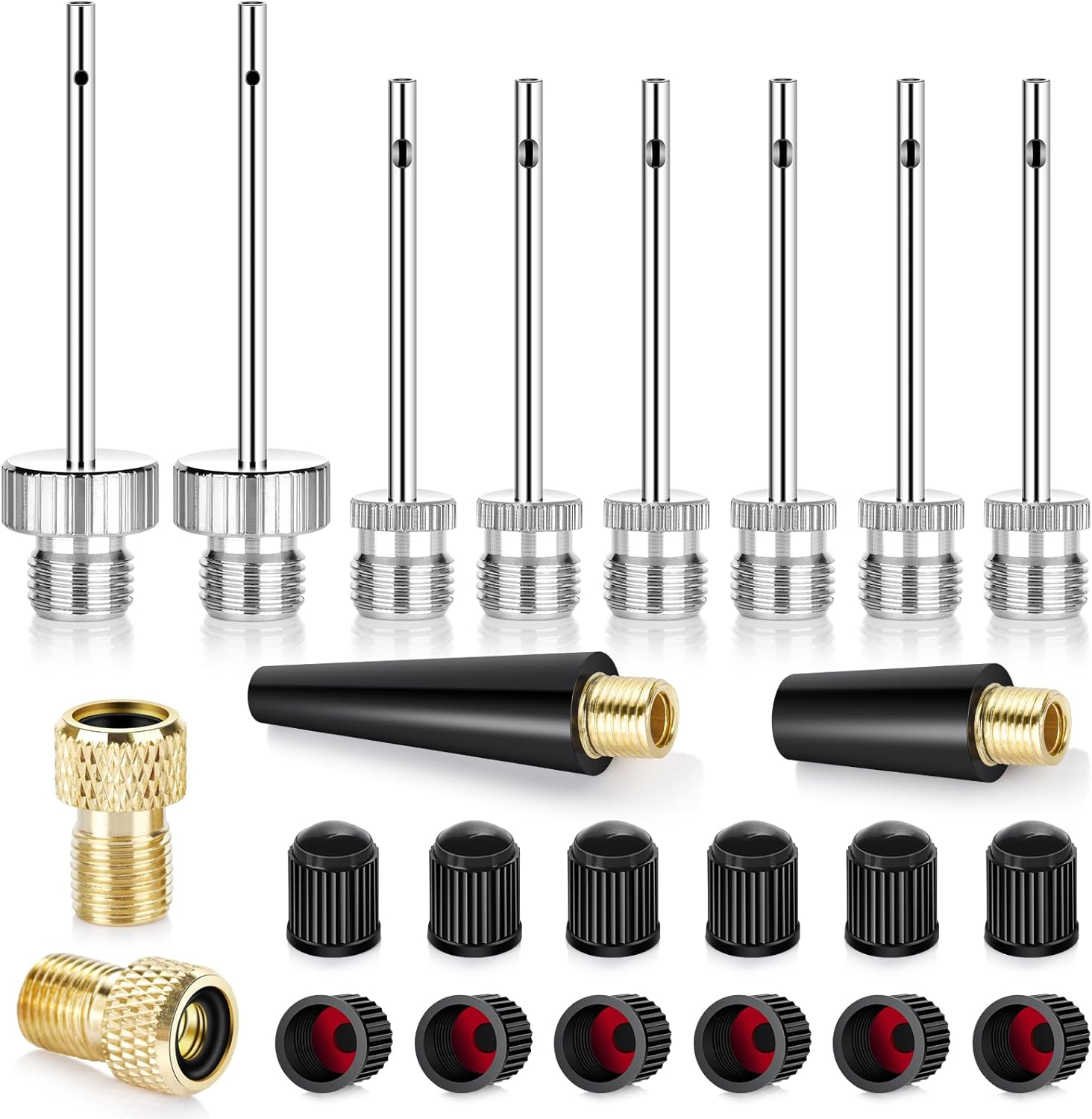
This ball pump needles kit includes brass ball needles for inflating footballs, soccer balls, basketballs, and volleyballs, plus conical nozzles for air mattresses, exercise balls, balloons, and swim rings. It also offers Presta to Schrader valve adapters for easy use with compatible bikes and rideables. The set includes sealed valve caps and a storage case, helping keep your equipment organized and ready to inflate quickly.
Daily Commuting
For a commuter, the formula can reduce stops caused by small tread punctures from glass, wire, or thorns. The main maintenance risk is forgetting to check the sealant because the bike seems fine. A monthly calendar reminder is more reliable than waiting for faster pressure loss.
Gravel and Cyclocross
Gravel and cyclocross riders benefit from the quick-sealing focus because sharp stones and debris can create small holes during a ride. Carry a pump and a tubeless plug tool anyway. Sealant handles many small openings, but a larger slash may need mechanical reinforcement.
Mountain-Bike Riding
Mountain-bike tires usually need more sealant than narrow road tires because they hold more air volume and have larger internal surfaces. The 8-ounce bottle can cover a setup or provide multiple top-offs depending on tire size, but you should use the quantity listed for your exact tire dimensions rather than guessing.
Long Rides and Events
Before an event, inspect the liquid level, valve function, tire pressure, and tread condition. Fresh sealant gives the product the best chance to close a puncture quickly. For remote rides, carry a tube, tire boot, plugs, and inflation equipment because no liquid sealant replaces a complete repair plan.
What People Say
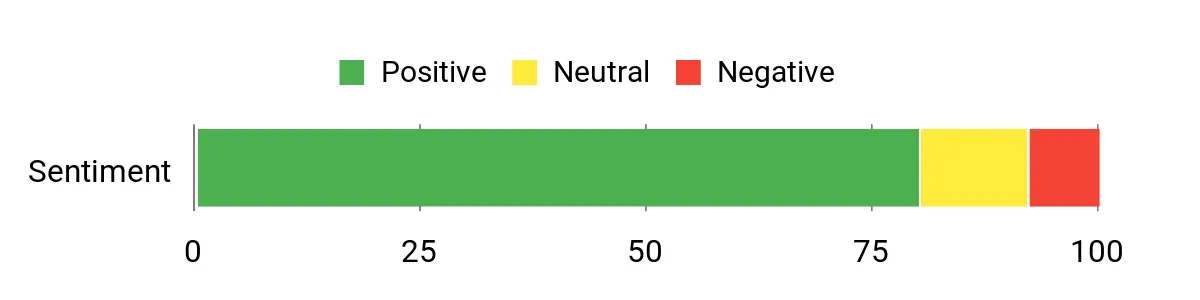
Buyer feedback often focuses on quick puncture sealing and the convenience of the injection system. Positive reports commonly describe fewer ride-stopping flats and easy top-offs through removable valve cores. The most useful criticism is that Regular Formula can dry sooner than expected in warm climates, so owners who prefer less maintenance may be happier with an endurance-focused alternative.
Overall Sentiment: Positive, with recurring reminders to check the liquid level.
Pros and Cons
Pros
- Manufacturer claim covers punctures up to 1/4 inch
- Injection system supports cleaner valve-based filling
- Useful across road, gravel, cyclocross, and MTB riding
- Designed for changing temperatures and altitudes
- Eight-ounce size is practical for installation and later top-offs
Cons
- Requires more frequent checks than Orange Seal Endurance
- Injector use depends on a removable valve core
- Cannot repair every sidewall cut, bead problem, or large tear
Compatibility and Safety
Confirm that your rim, tire, tape, and valve are suitable for your intended setup. A sealant bottle does not make a conventional wheel automatically tubeless-ready. If the tire or rim manufacturer limits sealant types, follow that guidance before installation.
Wear gloves, protect your eyes, and clean splashes before they dry. Keep the bottle away from children and pets, do not ingest the liquid, and follow the current label for storage and disposal. When switching from another brand, cleaning out the old material is the safer approach because cross-brand mixing can cause clumping or reduced performance.
Is It Worth the Price?
Orange Seal Regular Formula sits in the mid-range to premium part of the bicycle sealant market. Its value comes from pairing the sealant with an injector, which saves you from buying a separate filling tool and makes routine top-offs easier.
It offers strong value for riders who prioritize fast sealing and maintain their bikes regularly. It is less compelling for someone who wants the longest possible service interval, because a longer-life formula may reduce maintenance even when the bottle costs slightly more.
How It Compares to Alternatives
Orange Seal Endurance is the closest alternative when you like the brand but want longer intervals between top-offs. Regular Formula makes more sense when fast sealing is the priority, while Endurance is better for riders who are willing to trade some of that focus for longer liquid life.
Stan’s Original Tubeless Sealant is another broad-use option for road, gravel, and mountain-bike tires, while Muc-Off No Puncture Hassle adds features such as UV puncture detection in some versions. Orange Seal Regular Formula stands out when you want a simple 8-ounce injector package and a clear 1/4-inch puncture claim.
Frequently Asked Questions
How do you add Orange Seal Regular Formula through the valve?
Deflate the tire, remove the valve core, shake the bottle, attach the injection system, and add the amount listed for your tire size. Reinstall the core, inflate the tire, then rotate and bounce the wheel so the liquid coats the inner surface.
How large a puncture can it seal?
Orange Seal claims that Regular Formula can seal punctures up to 1/4 inch. Actual results depend on the puncture shape, location, tire pressure, remaining sealant volume, and condition of the tire.
How often should you check or replace the sealant?
Check it at least monthly and more often in hot, dry conditions. Regular Formula commonly needs attention around the 30-to-60-day range, but your tire casing, climate, and riding frequency can shorten or extend that interval.
Does the injector work with every valve?
Valve-based injection requires a removable valve core. If your core cannot be removed, you may need to unseat part of the tire bead or use another method approved for your wheel setup.
Can you mix it with another sealant brand?
Cleaning out the previous sealant is the safer choice when changing brands. Different formulas can react, clump, or lose effectiveness, so do not assume cross-brand compatibility without confirmation from both manufacturers.
Will the 8-ounce bottle fill two tires?
It depends on tire size. Narrow road tires use less sealant than wide mountain or fat-bike tires, so check the current dosage chart before dividing the bottle between wheels.
Who should choose Orange Seal Endurance instead?
Choose Endurance when longer time between top-offs matters more than selecting the brand’s fast-sealing Regular Formula. It is especially worth comparing for hot climates, infrequently serviced bikes, and riders who dislike frequent liquid-level checks.
Why Riders Choose Orange Seal Regular Formula
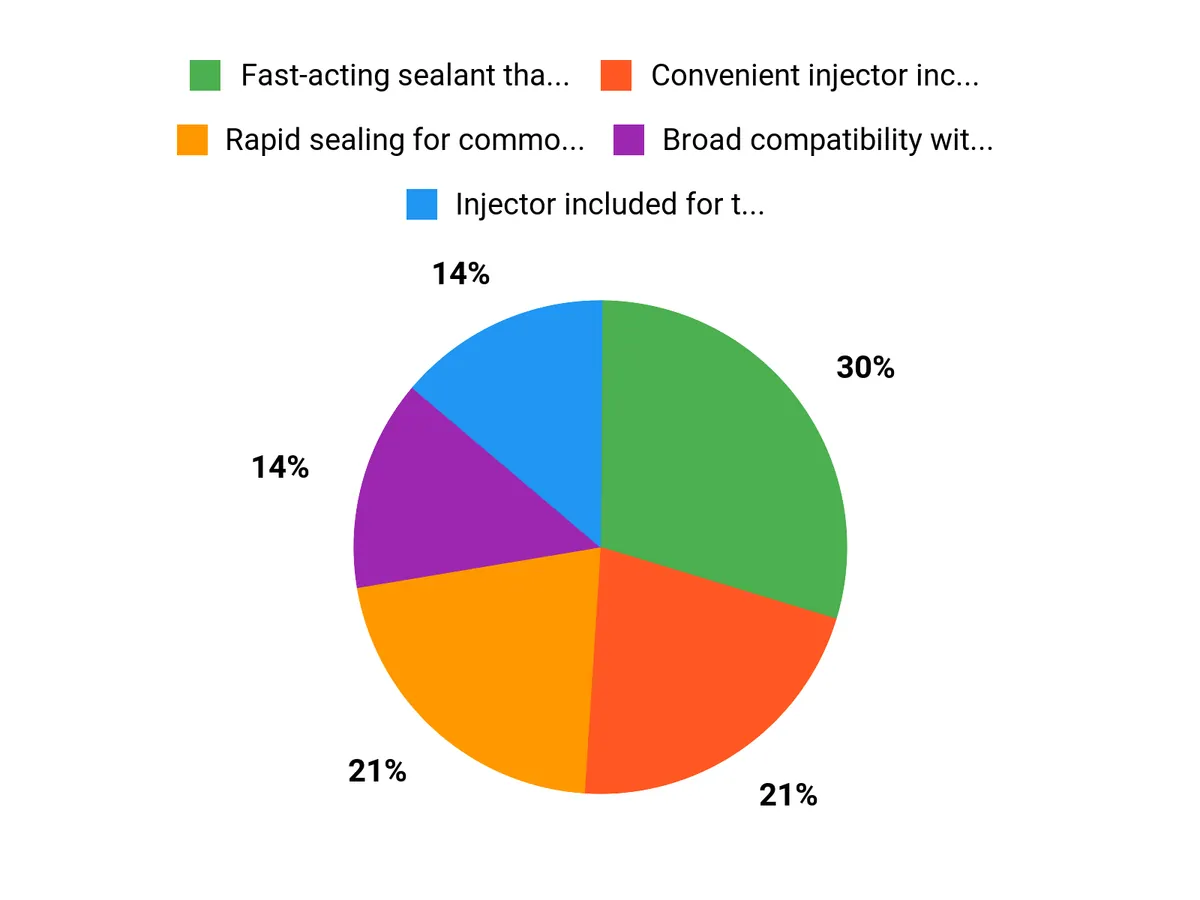
The product gives you a focused combination of fast puncture sealing, broad bicycle use, and an injector-equipped 8-ounce bottle. It is best suited to riders who already follow a maintenance schedule and want a formula that can react quickly when a common puncture occurs.
The Bottom Line
Orange Seal Regular Formula is a strong buy for road, gravel, cyclocross, and mountain-bike riders who want fast sealing and an included injection system. Skip it when your main goal is the longest maintenance interval, or when your wheel setup is not compatible with valve-core injection. Its main strength is the combination of a 1/4-inch puncture claim and easy top-offs, while its main limitation is the need for regular liquid-level checks.
Ready to Buy?
Check the latest price, package details, and current product instructions before you decide.

Related Articles

Best All-Terrain Tires for SUVs 2026: Rugged Tires for Trails and Daily Driving
You need tires that bridge the gap between weekend trails and weekday commutes, so choosing the right all-terrain set matters more than ever. The…
Read More
Best Westlake Tires 2026: Affordable Tires for Daily Driving and All-Season Use
You spend a lot of time on the road, and the tires you choose affect safety, comfort, fuel economy, and long-term costs. Westlake offers…
Read More
Best Sailun Tires 2026: Affordable Tire Picks for Everyday Driving
You rely on tires for safety, fuel economy and ride comfort, so choosing the right Sailun model matters more than just price. This guide…
Read More