
Park Tool GP-2 Super Patch Kit Review: Bicycle Tube Repair Patch Kit
Disclosure: As an Amazon Associate, we earn from qualifying purchases. If you click a link on this page and make a purchase, we may receive a small commission at no extra cost to you.
A flat bicycle tube can turn a normal commute or trail ride into a long walk, especially when your spare tube is already used or unavailable. The Park Tool GP-2 Super Patch Kit gives you six pre-glued patches and a small piece of sandpaper in a pocket-size plastic case, so you can repair a small puncture without carrying a separate tube of adhesive. It is a strong choice for quick roadside fixes on standard butyl inner tubes, but careful surface preparation matters and a traditional vulcanizing patch may be better for a permanent repair. This review explains where the GP-2 works well, where it falls short, and what you need to carry with it.
Quick Verdict
Rating: 8.4/10, recommended with caveats
Best For: Cyclists who want a tiny, glue-free backup for small punctures in butyl inner tubes
Bottom Line: The GP-2 is fast, compact, and easy to carry, making it useful for getting back on the bike after a simple puncture. Its thin patches require clean, careful application, and riders using high-pressure tubes should treat it as an emergency option rather than their only repair plan.
Key Specifications
| Specification | Detail |
|---|---|
| Brand | Park Tool |
| Model | GP-2 Super Patch Kit, individually carded as GP-2C |
| Product Type | Pre-glued bicycle inner tube patch kit |
| Patch Count | Six self-adhesive patches |
| Patch Size | 24 × 24 mm (0.94 × 0.94 in) |
| Case Size | 32 × 32 × 8 mm (1.25 × 1.25 × 0.3 in) |
| Included Accessory | Sandpaper for surface preparation |
| Compatible With | Standard butyl rubber bicycle inner tubes |
| Not Designed For | Tubeless tire bodies, latex tubes, sidewall cuts, or large tears |
| Best Use | Fast roadside or trailside repair of small tube punctures |
[Products Worth Considering]

This PXZBLG bike repair kit helps you tackle common tire and on-the-ride issues with a compact, ride-ready tool collection. It includes a mini tire pump supporting both Presta and Schrader valves, a 16-in-1 bike multitool, tire levers, glueless patches with a plastic box, plus 4mm and 5mm Allen wrenches. A convenient bike bag stores everything so you can mount it on your road bike or mountain bike for lightweight, portable preparedness.

Convert Presta bicycle valves to accept standard Schrader pump nozzles for fast, hassle-free inflation. This kit includes durable brass adapters with leak-resistant connections, plus sports inflation needles and protective valve caps for convenient use on bikes and ball sports equipment.

Tiakia’s mini high-pressure frame pump delivers up to 260 PSI for faster, more efficient inflations with an optimized intake volume. It features a double-head valve design compatible with Schrader and Presta, plus a conversion for Donlop, making it versatile for bikes and many inflatables. The lightweight anodized aluminum build includes a mounting bracket for convenient carry, while the flexible high-pressure hose and IPX4 waterproof body support outdoor use.
At a Glance
|
Buying Factor |
Verdict |
|---|---|
|
Ease of Use |
Excellent: Peel-and-stick application removes the glue step and speeds up roadside repairs. |
|
Field Reliability |
Good with proper prep: Best for small punctures on smooth, clean areas of a butyl tube. |
|
Portability |
Excellent: The 32 × 32 × 8 mm case fits easily in a saddlebag, tool roll, or jersey pocket. |
|
Long-Term Durability |
Mixed: Convenient for field repairs, but a glued vulcanizing patch can be more dependable for long-term or high-pressure use. |
|
Overall Verdict |
Recommended with caveats: A practical backup for commuters, mountain bikers, and touring riders who already carry inflation tools. |

What Is the Park Tool GP-2 Super Patch Kit?
The GP-2 is a glueless patch kit made for repairing small punctures in standard butyl bicycle inner tubes. Park Tool developed the self-adhesive patch material with 3M so the patch can stretch and flex as the tube expands inside the tire. Each kit includes six square patches, one sandpaper piece, and a small plastic box that keeps the contents together.
The kit is designed for riders who value speed and portability more than workshop-style repair durability. You still need to remove the tube, locate the puncture, prepare the surface, reinstall the tube, and inflate the tire. The GP-2 only replaces the separate vulcanizing fluid and waiting time found in traditional patch kits.
Who Should Buy It?
Best For
- Commuters who need a compact backup after using their spare tube
- Mountain bikers and recreational riders repairing small butyl-tube punctures
- Touring cyclists who want six repair attempts in a very small case
Skip If
- Your bike uses tubeless tires or latex inner tubes
- You need to repair a large tear, valve-base failure, or damaged tire casing
- You want the strongest possible permanent repair for a high-pressure tube
Before You Buy: The GP-2 repairs an inner tube, not the tire casing. It also does not include tire levers, a pump, or a CO2 inflator, so you need those tools to complete a roadside repair.
Feature-by-Feature Review
Pre-Glued Patch Design
The main advantage is speed. After you find the hole and roughen the tube, you peel a patch from its backing and press it over the puncture. There is no separate glue tube to open, spread, or wait for, which reduces mess and removes the risk of discovering that your vulcanizing fluid has dried out.
The tradeoff is that thin pre-glued patches can wrinkle if you touch the adhesive, place them off-center, or press them onto a curved seam. A wrinkle creates a path for air to escape. Careful placement matters more than the peel-and-stick design may suggest.
Compact Case and Carrying Convenience
The plastic case measures 32 × 32 × 8 mm, while each patch measures 24 × 24 mm. That small footprint makes the GP-2 easy to leave in a saddlebag or tool pouch on every ride. The case also protects the patches from dirt and keeps the sandpaper from rubbing against other gear.
Six patches provide useful redundancy when a ride includes more than one puncture. Still, the kit is only one part of a repair setup. You should also carry tire levers when your tire is difficult to remove, a way to reinflate the tube, and ideally a spare tube for damage that cannot be patched.
Compatibility and Repair Limits
The GP-2 is intended for standard butyl rubber inner tubes. It is not a tubeless plug, tire boot, or latex-tube patch. It also cannot repair a split at the valve base, a long pinch-flat cut, or a tire sidewall that no longer contains the tube safely.
Small point punctures on a smooth section of tube are the best match. Raised molding seams and heavily stretched areas give the adhesive less flat surface to grip. If the hole sits directly on a seam, replacing the tube is often the safer and more dependable choice.
Surface Preparation and Ease of Use
The included sandpaper is essential, not optional. Light abrasion removes the glossy outer surface and helps the adhesive bond. The prepared area should be larger than the patch, clean, and completely dry before application.
You do not need to grind deeply into the rubber. Excessive sanding can thin the tube or create another weak spot. Once the patch is centered, press firmly across the full surface and smooth outward so no edge or wrinkle remains.
Pro Tip: Mark the puncture with a pen before fully deflating the tube. The hole can be difficult to find again once the tube loses its shape, especially beside a seam or printed label.
How It Performs in Real Use
Daily Commuting
For a commuter, the GP-2 works best as a second line of defense. Replacing the damaged tube is usually faster beside a busy road, while the patch kit lets you repair the punctured tube later or handle another flat on the same trip. Its tiny case is easy to carry every day without adding noticeable bulk.
Trail and Mountain Bike Rides
On a tube-equipped mountain bike, the kit can seal a small thorn or wire puncture after the tube is removed and cleaned. Lower and moderate pressures are generally more forgiving than very high road pressures. Pinch flats with two cuts, large snakebite damage, or a torn sidewall may require a spare tube and tire boot instead.
Weekend Touring
Touring riders benefit from the six-patch count and glue-free format because there is no liquid adhesive to leak or dry out in a bag. The GP-2 remains small enough to carry beside a full repair kit. For remote travel, it should supplement spare tubes and a more durable patch option rather than replace them.
Emergency Backup Use
The kit is especially useful when your spare tube has already been used, damaged, or found to have a faulty valve. A successful patch can get you moving again, but you should inflate gradually and check that the repair holds before riding at normal speed.
How to Use the GP-2 Correctly
- Remove the wheel and tire, then take out the inner tube.
- Find the puncture by listening for escaping air or placing the slightly inflated tube in water when available.
- Check the inside of the tire and remove the thorn, wire, glass, or other object that caused the flat.
- Dry the tube and mark the hole so you do not lose its position.
- Lightly roughen an area larger than the patch with the included sandpaper.
- Wipe away dust and make sure the surface is clean and dry.
- Peel the backing without touching the adhesive, center the patch, and press firmly from the middle toward the edges.
- Inspect for wrinkles, reinstall the tube carefully, and inflate in stages while checking the repair.
Before reinstalling the tube, add a small amount of air so it holds its shape. This reduces the chance of pinching it between the tire bead and rim. Follow your tire and rim instructions when removing or reinstalling the wheel.
[Products Worth Considering]

This 4-pack kit converts Presta bike valves to standard Schrader valves so you can inflate with any regular pump or air compressor. The solid brass adapters include an O-ring for a tight, leak-proof seal and provide a simple screw-on setup. Compatible with road bikes, mountain bikes, e-bikes, and e-scooters, it’s designed for convenient, everyday carry readiness.

Upgrade night rides with BLITZU LED bike wheel lights that boost visibility from all directions for safer low-light cycling. Choose from 7 colors and switch between constant and flashing modes for a fun, attention-grabbing look. The lights fit a wide range of bike sizes with no tools required and include batteries and an installation video for easy setup.
What Riders Say
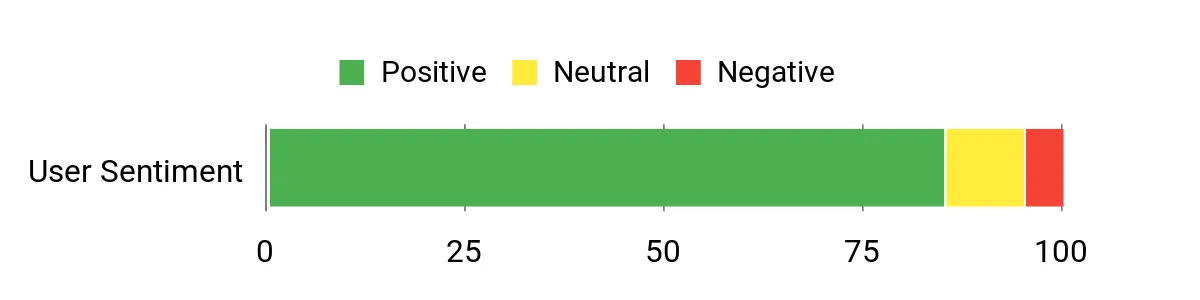
Buyer feedback commonly favors the kit’s quick application, small case, and lack of messy glue. The main complaints focus on patches wrinkling, lifting on imperfectly prepared surfaces, or failing under demanding high-pressure use. Those mixed results reinforce the need to prepare the tube carefully and carry a spare when a failed repair would leave you stranded.
Overall Sentiment: Positive for convenience, mixed for permanent repair durability
Pros and Cons
Pros
- Six self-adhesive patches require no separate glue
- 32 × 32 × 8 mm case fits in very small repair pouches
- Patch material is designed to stretch and flex with the tube
- Included sandpaper supports proper surface preparation
- Useful as a backup when a spare tube is unavailable
Cons
- Not compatible with tubeless tire bodies or latex inner tubes
- Thin patches can wrinkle and leak if placement is rushed
- Not the best option for large cuts, seams, or long-term high-pressure repairs
Is It Worth the Price?
The GP-2 is best viewed as a low-cost convenience tool rather than a complete flat-repair system. You are paying for a very small case, six ready-to-use patches, and no glue tube to manage. That makes it a smart buy for everyday riders who value compact gear and quick roadside setup.
Its value drops if you need a permanent workshop repair or ride exclusively on latex tubes or tubeless tires. A traditional vulcanizing kit usually offers a stronger long-term bond, while a tubeless setup needs plugs, sealant, and tools made for the tire casing.
How It Compares to Alternatives
Park Tool’s VP-1C uses vulcanizing fluid and traditional patches, so it takes more preparation and time but is better suited to a lasting home repair. Slime Skabs and the Lezyne Smart Patch Kit are other pre-glued options worth comparing when you prefer glue-free convenience.
The GP-2 makes the most sense when minimum size and a simple six-patch format matter most. Riders who prioritize permanent repair strength should carry a glued kit, and tubeless riders should choose a dedicated plug system instead.
Frequently Asked Questions
How do you apply a Park Tool GP-2 patch?
Find and mark the hole, lightly roughen an area larger than the patch, and wipe away all dust and moisture. Peel the backing without touching the adhesive, center the patch over the puncture, and press firmly across the full surface.
Is the GP-2 a permanent inner tube repair?
It can hold for extended riding when applied correctly, but results depend on tube pressure, puncture location, and surface preparation. For the strongest long-term repair, a vulcanizing patch or replacement tube is the safer choice.
Can you use GP-2 patches on tubeless tires?
No. The GP-2 is made for standard butyl inner tubes, not for sealing a tubeless tire casing. Use a dedicated tubeless plug or internal tire repair method approved for your tire system.
Will the patches work on latex inner tubes?
The GP-2 is not listed for latex inner tubes. Use a repair product specifically approved by the latex tube manufacturer, or replace the damaged tube.
What punctures are too large for the GP-2?
Large tears, long pinch-flat cuts, holes at the valve base, and damage directly on a raised seam are poor candidates. Replace the tube when the patch cannot sit flat with a wide margin around the damage.
What else should you carry with this patch kit?
Carry a pump or CO2 inflator, tire levers when your tire is difficult to remove, and a spare tube. A tire boot is also useful for casing cuts that would otherwise let the tube bulge through the tire.
Why does a pre-glued patch sometimes fail?
Common causes include dirt, moisture, insufficient sanding, touching the adhesive, placing the patch over a seam, or trapping a wrinkle. The object that caused the puncture may also remain in the tire and create another hole.
Why Riders Choose the GP-2
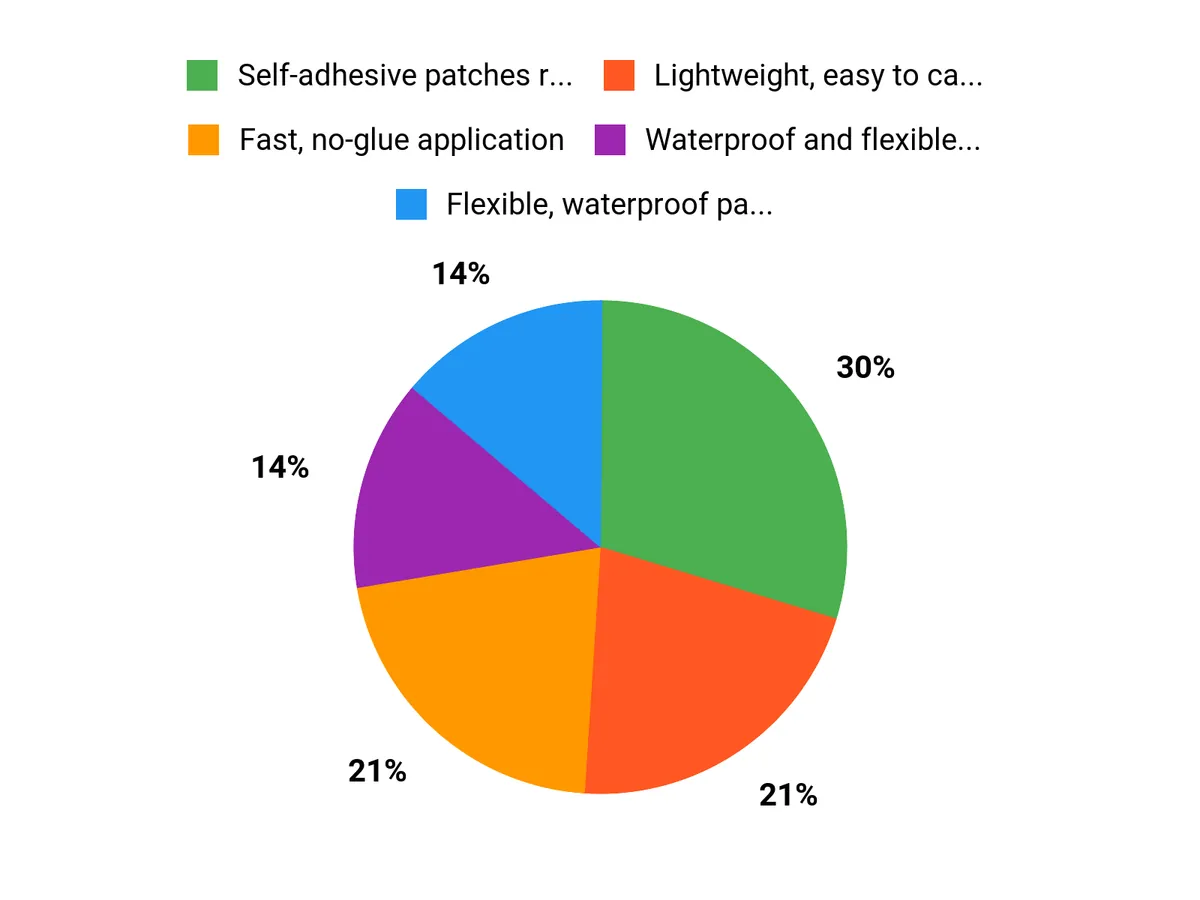
You may choose the GP-2 because it combines six patches, surface-prep sandpaper, and a protective case in a package small enough to carry on every ride. Its strongest advantage is not permanent repair strength, but fast access to a clean, glue-free solution when a small puncture interrupts your trip.
The Bottom Line
The Park Tool GP-2 Super Patch Kit is recommended for commuters, trail riders, and touring cyclists who want a tiny backup for small punctures in standard butyl tubes. Its six pre-glued patches are quick and convenient, but you should skip it for tubeless or latex systems and carry a spare tube when high pressure, large damage, or remote riding raises the cost of a failed repair.

Related Articles

Why These 10 Wheel Locks Are Perfect for Your RAV4
Protecting your RAV4 starts before you lock the doors. Wheel theft is an avoidable cost and a hassle that interrupts your routine, and choosing…
Read More
10 Long Warranty Tires That Will Transform Your RAV4 Experience
You spend a lot of time behind the wheel of your RAV4, and the right tires change everything from ride comfort to fuel economy…
Read More
10 Best 80000 Mile Tires for Rav4
You want tires that last, keep you safe, and save you money over the long run. Choosing 80,000 mile tires for your RAV4 matters…
Read More