
MICHELIN Pilot Sport All Season 4 Review
Disclosure: As an Amazon Associate, we earn from qualifying purchases. If you click a link on this page and make a purchase, we may receive a small commission at no extra cost to you.
Choosing an ultra-high-performance all-season tire means balancing steering response, wet grip, light-snow capability, tread life, and cost. The MICHELIN Pilot Sport All Season 4 in 245/40ZR18 XL 97Y aims to cover that full range without forcing you into separate summer and mild-winter setups. It is a strong match for sporty daily drivers that need confident dry and wet performance, but it is still not a substitute for a dedicated winter tire in severe snow or ice. This review explains the exact fitment, verified specifications, practical strengths, and tradeoffs before you buy.
Quick Verdict
Rating: 8.7/10, Recommended with caveats
Best For: Drivers of compatible sports cars, performance sedans, coupes, and EVs who want responsive year-round road manners.
Bottom Line: This Michelin delivers sharp steering, strong wet and dry grip, and usable light-snow traction in one premium tire. The main tradeoffs are its higher purchase cost and limited ability in deep snow, packed snow, or ice.
Key Specifications
| Specification | Detail |
|---|---|
| Brand | MICHELIN |
| Model | Pilot Sport All Season 4 |
| Manufacturer part number | 13787 |
| Product type | Ultra-high-performance all-season radial tire |
| Size | 245/40ZR18 |
| Service description | 97Y |
| Load range | XL, Extra Load |
| Maximum load | 1,609 pounds per tire |
| Maximum inflation pressure | 50 psi, not the recommended daily pressure |
| Tread depth | 10/32 inch |
| UTQG | 540 AA A |
| Overall diameter | 25.9 inches |
| Section width | 9.8 inches on the specified measuring rim |
| Approved rim width range | 8 to 9.5 inches |
| Approximate tire weight | About 25.3 to 26 pounds |
| Quantity | One tire, wheel not included |
| Treadwear coverage | Up to 45,000 miles, subject to Michelin warranty terms |
| Best use | Performance-focused street driving in dry, wet, and light-snow conditions |
[Products Worth Considering]

Monitor tire tread wear with a smart, color-coded depth gauge that shows clear condition ranges at a glance. The bar is range marked for fast, easy readings, helping you maintain safer traction and performance. Each gauge is portable with a pocket clip, and the set includes 20 units for daily use and sharing.

Malco tire mounting and demounting lubricant is a ready-to-use tire lube formulated to reduce friction during tire installation for passenger cars, light trucks, farm tires, and heavy-duty equipment. It provides rust-inhibiting protection to help reduce corrosion on rims and wheels, and helps support proper tire bead seating during inflation to reduce air leakage. The silicone-free, soap-free formula is whitewall safe to help prevent discoloration on whitewall tires and sensitive sidewall markings.
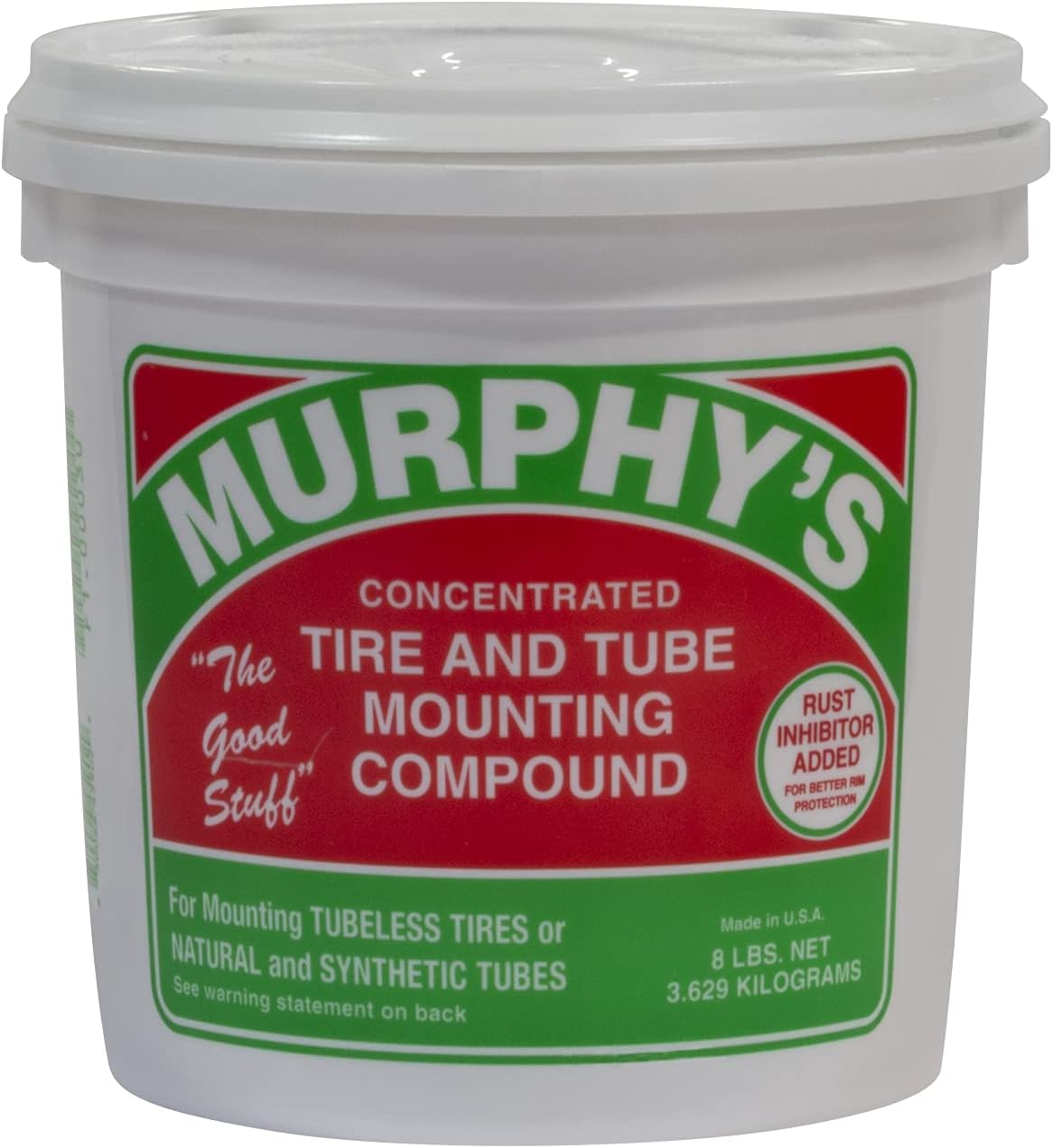
A concentrated tire and tube mounting compound designed to help simplify mounting rubber tires and tubes on passenger, semi truck, construction, and OTR applications. Its ultra-thick formula packs beads effectively and includes rust inhibitors to help protect against corrosion during use.
Key Takeaways
- The 245/40ZR18 XL 97Y version supports up to 1,609 pounds per tire and fits approved 8 to 9.5-inch-wide wheels.
- Michelin designed it for dry and wet performance while retaining useful traction in light snow.
- Its asymmetrical tread and Dynamic Response Technology support responsive steering and more even force distribution.
- Michelin reports 4% better dry braking, 5% better wet braking, and 10% more snow traction than the Pilot Sport A/S 3+ in its internal 245/40ZR18 testing. Real-world results vary.
- The tire includes up to a 45,000-mile treadwear warranty, but coverage depends on registration, maintenance, rotation, fitment, and other warranty conditions.
- This listing is for one tire only, and professional mounting and balancing are additional requirements.
What Is the MICHELIN Pilot Sport All Season 4?
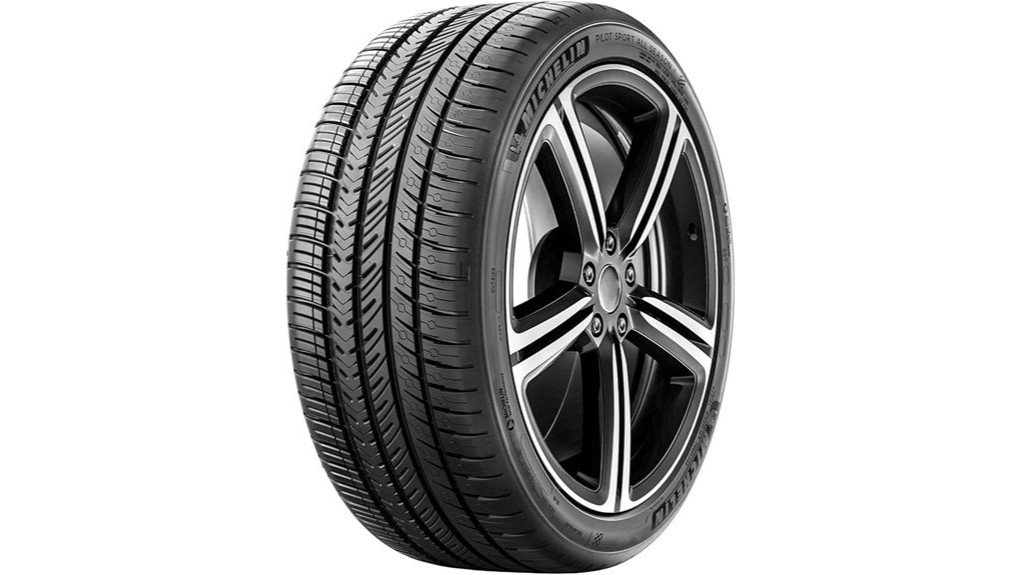
The MICHELIN Pilot Sport All Season 4 is a premium ultra-high-performance all-season tire for drivers who want a more responsive feel than a standard touring tire. This specific listing covers the 245/40ZR18 XL 97Y version, Michelin part number 13787, rather than every size in the product line.
Its main appeal is range. You get a performance-focused tread for dry roads, wide channels and silica-rich compounds for rain, and biting edges for light winter use. Michelin also uses Dynamic Response Technology to distribute forces and temperatures more evenly across the contact patch, which supports steering precision and wear control.
The tire is suitable for compatible sports cars, coupes, performance sedans, and some EV applications. Fitment must still match your vehicle’s approved tire size, load index, speed rating, wheel width, and front-to-rear setup.
Who Should Buy It?
Best For
- Drivers who want sharper steering and cornering response than a comfort-focused touring tire.
- Owners who regularly face both dry roads and rain but only occasional light snow.
- Vehicles that specifically allow a 245/40ZR18 XL 97Y tire on an 8 to 9.5-inch wheel.
Skip If
- You drive through frequent deep snow, packed snow, or ice and need a dedicated winter tire.
- Your priority is the softest ride, lowest possible road noise, or maximum touring-tire mileage.
- Your vehicle requires a different size, load rating, speed rating, run-flat construction, or original-equipment marking.
Before You Buy: The 50 psi figure is the tire’s maximum inflation pressure, not a universal setting. Use the cold pressure on your vehicle’s door-jamb placard or owner’s manual, and confirm the exact fitment before ordering.
Dry Handling and Steering Response
The Pilot Sport All Season 4 favors direct steering response and stable cornering. Its asymmetrical tread separates duties across the tread face, while Dynamic Response Technology helps spread steering and braking forces across the contact patch. On a compatible performance car, that design should feel more immediate than a typical grand-touring all-season tire.
Michelin’s internal comparison against the previous Pilot Sport A/S 3+ reported 4% better dry braking in this 245/40ZR18 size. That result came from controlled testing on a 2015 BMW 328i, so it should be treated as a product-development comparison rather than a guarantee for every vehicle, road, temperature, or tread condition.
The tradeoff is that performance-focused tuning can feel firmer than a comfort-first tire, especially on rough pavement and low-profile 18-inch wheels. Proper pressure and suspension condition have a major effect on the final ride.
Wet Grip and Hydroplaning Resistance
Rain performance is one of this tire’s strongest buying reasons. Wide circumferential channels provide paths for water to leave the footprint, while the tread compound is designed to retain grip on cool, wet roads. The result is predictable steering and braking when standing water is limited and the tire has adequate tread depth.
Michelin reports 5% better wet braking than the Pilot Sport A/S 3+ in its internal test. You should still reduce speed in heavy rain because no tread design can eliminate hydroplaning, especially as water depth rises or tread wears down.
Light-Snow Performance
The tread includes biting edges intended to create traction in light snow. Michelin’s internal comparison reported 10% more snow traction than the Pilot Sport A/S 3+, which supports its role as a four-season street tire in milder climates.
However, the Pilot Sport All Season 4 does not carry the severe-snow three-peak mountain snowflake designation in this fitment. It is not the right tool for repeated winter storms, mountain travel, packed snow, or ice. In those conditions, a dedicated winter tire remains the safer choice.
Size, Load Rating, and Fit
The 245/40ZR18 marking describes a tire that is 245 millimeters wide with a sidewall height equal to 40% of that width, built for an 18-inch wheel. The XL 97Y service description indicates Extra Load construction, a 1,609-pound maximum load capacity, and a Y speed category.
Those numbers do not make the tire universally compatible with every 18-inch vehicle. Your replacement should meet the vehicle manufacturer’s size, load, speed, and construction requirements. Also check whether your car uses a staggered setup, an original-equipment approval code, or run-flat tires. This listing is the standard non-run-flat version unless the product page specifically states ZP.
The approved rim-width range is 8 to 9.5 inches, with published dimensions based on an 8.5-inch measuring rim. Wheel width changes can slightly alter the tire’s measured section width and shape.
Pro Tip: Compare the full service description on your current tire and door placard, not just “245/40R18.” Confirm XL, load index, speed rating, run-flat status, and any front/rear size difference before checkout.
Tread Life and Warranty
This fitment starts with 10/32 inch of tread and carries a UTQG grade of 540 AA A. Michelin backs eligible sizes with treadwear coverage up to 45,000 miles and a six-year limited warranty framework. The Michelin Promise Plan also includes a satisfaction period and roadside-assistance benefits under its current terms.
A mileage warranty is not a prediction that every set will reach the stated distance. Alignment, rotation intervals, vehicle power, driving style, pressure, road surface, staggered fitment, and seasonal storage all affect wear. Mileage coverage may also be reduced for staggered setups that cannot be rotated front to rear.
Manufacturer roadside assistance should not be confused with road-hazard coverage for punctures or impact damage. Ask the seller or installer whether separate road-hazard protection is included or available.
[Products Worth Considering]

The Kurgo Seasonal Tire Tote helps protect your car interior, clothes, and garage from tire grime, brake dust, and residue during seasonal tire changes. Its universal design fits most passenger tires between 22" and 31" in diameter, making storage and transport simpler with less mess. Built for rugged, repeated use, it’s machine washable for easy care and comes with a lifetime warranty.

Steelman white tire marking crayons provide high-contrast, semi-permanent marks for repairing and inspecting tires and equipment. They write on wet or dry, smooth or coarse surfaces including rubber, metal, glass, and wood, making them ideal for puncture location and damage outlining. The lead- and zinc-free crayons resist weather and fading yet wipe away when you no longer need the marks.

The 22800 wheel stud installer makes replacing wheel studs quick and secure, saving time and effort during tire service. It uses a ratchet or impact wrench to pull new studs firmly into place, helping when existing studs are too long. Compatible with most automotive wheels and light-duty truck wheel studs, it’s designed for easy, tool-assisted installation.
How It Performs in Real Use
For Daily Commuting
On normal streets and highways, the tire’s main benefit is responsive control without requiring a summer-only setup. It should suit drivers who want their commute to feel precise rather than soft. Low-profile sizing can still transmit sharp impacts, so comfort depends heavily on the vehicle and road surface.
For Rainy Highways
The water channels and wet-focused compound make this a sensible choice for frequent rain. Maintain adequate tread depth, avoid abrupt inputs, and slow down in standing water. Wet grip declines as any tire wears, even when its dry-road handling still feels strong.
For Mild Winter Driving
Light snow and cold, clear pavement are within the tire’s intended range. It can help you avoid seasonal changes in a mild climate, but it should not be treated like a dedicated winter tire when roads are icy or snow remains packed.
For Spirited Street Driving
The stiff, responsive construction and performance tread make it well suited to legal, spirited road driving. It is not a dedicated track tire. Repeated high-heat laps can accelerate wear and reduce consistency compared with a purpose-built summer or track tire.
Fit, Installation, and Maintenance Tips
- Verify the exact application: Match the door placard or an approved fitment guide before ordering.
- Order the correct quantity: This product page lists one tire, not a set of four, and a wheel is not included.
- Use professional mounting: Tire mounting and bead seating require trained technicians and proper equipment.
- Set pressure cold: Follow the vehicle placard rather than inflating to the 50 psi sidewall maximum.
- Check alignment: A performance tire can wear quickly if toe or camber is outside specification.
- Rotate when allowed: Follow the vehicle and tire warranty schedule. Staggered or directional setups may limit rotation options.
- Inspect regularly: Check tread depth, cuts, bulges, punctures, and uneven wear, especially after pothole impacts.
Compatibility and Safety
Do not mix incompatible tire sizes, construction types, load ratings, or speed ratings without guidance from the vehicle manufacturer or a qualified tire professional. Mixing run-flat and non-run-flat tires, or fitting only two performance tires when four matched tires are recommended, can change handling and stability.
The Y speed rating describes a tested tire category under controlled conditions. It is not permission to exceed posted limits, and actual capability depends on pressure, load, heat, vehicle condition, and manufacturer guidance. Never exceed the tire’s load or inflation limits.
Replace damaged tires promptly and have bulges, exposed cords, repeated pressure loss, or impact damage inspected. A plug or sealant is not suitable for every puncture or damage location.
Pros and Cons
Pros
- Responsive steering and dry-road control for performance-oriented vehicles.
- Strong wet-weather design with wide water-evacuation channels.
- Useful light-snow traction for milder four-season climates.
- XL 97Y rating supports up to 1,609 pounds per tire.
- Up to 45,000 miles of treadwear coverage for eligible applications.
Cons
- Premium positioning can make a full set expensive.
- Not severe-snow rated and not suitable as a dedicated winter tire.
- Low-profile, performance-focused tuning may feel firmer than a touring tire.
Is It Worth the Price?
The Pilot Sport All Season 4 sits in the premium tier, so its value comes from combining performance steering, rain capability, light-snow usability, and warranty support. It makes the most financial sense when you will use those strengths and want one street tire for most of the year.
It is less compelling for a basic commuter where ride softness, low cost, or maximum mileage matter more than cornering response. It is also not the best value for severe-winter regions because you may still need a second set of winter tires.
How It Compares to Alternatives
For another ultra-high-performance all-season option, compare the Continental ExtremeContact DWS 06 Plus and Pirelli P Zero All Season Plus 3 in your exact size. Focus on current independent tests, noise, ride comfort, winter ratings, warranty terms, and installed cost rather than brand name alone.
If you drive only in warm conditions and want a more focused summer tire, the MICHELIN Pilot Sport 4S is the closer category alternative. The Pilot Sport All Season 4 makes more sense when you need broader temperature and light-snow flexibility.
Frequently Asked Questions
Does this listing include one tire or four?
It is a single-tire listing. The wheel, mounting, balancing, valve service, and other installation items are not included unless the seller states otherwise.
Will 245/40ZR18 fit any car with 18-inch wheels?
No. The wheel diameter is only one part of fitment. Your vehicle must also support the tire’s width, overall diameter, XL construction, 97 load index, Y speed rating, wheel-width range, and front-to-rear configuration.
Should I inflate this tire to 50 psi?
Not automatically. Fifty psi is the published maximum for this tire, not the recommended pressure for every vehicle. Use the cold pressure listed on the driver’s door placard or in the owner’s manual.
Is the Pilot Sport All Season 4 good in snow?
It provides useful traction in light snow, and Michelin reports an improvement over the previous A/S 3+ in internal testing. It is not a severe-snow-rated winter tire, so dedicated winter tires are better for deep snow, packed snow, and ice.
Is this the run-flat version?
This 245/40ZR18 XL 97Y listing is the standard non-run-flat version unless the seller specifically identifies it as ZP. Michelin’s run-flat version has different service specifications, so do not treat the two as interchangeable.
How long should the tire last?
Michelin offers up to 45,000 miles of treadwear coverage for eligible applications, but actual life varies. Pressure, alignment, rotation, driving style, vehicle power, road conditions, and staggered fitment can shorten or extend service life.
Does Michelin include road-hazard protection?
The manufacturer’s standard coverage and roadside-assistance program are not the same as road-hazard insurance. Confirm whether the Amazon seller or your installer offers separate protection for punctures or impact damage.
Is it suitable for track driving?
It is designed mainly for performance street use. Occasional controlled use may be possible, but repeated high-heat track sessions can accelerate wear and reduce consistency compared with a dedicated summer or track tire.
The Bottom Line
The MICHELIN Pilot Sport All Season 4 is a strong premium choice for drivers who need responsive dry handling, confident wet-road behavior, and limited light-snow capability from one tire. Buy it when the 245/40ZR18 XL 97Y specification exactly matches your vehicle and performance matters more than maximum comfort or budget pricing. Skip it for severe winter use or when your vehicle requires a different size, run-flat construction, or original-equipment specification.
Ready to Buy?
Confirm the exact fitment, quantity, seller details, and current warranty terms before you decide.
[Products Worth Considering]

TIRESHIELD PRO RV tire covers in a set of four deliver year-round protection against UV rays, cracking, fading, water, and snow. The StormLock-System helps keep the covers securely fastened through high wind, while heavy-duty, double-stitched construction supports long-lasting performance. Designed for universal fit, they’re intended for RV, camper, truck, car, and trailer tires within the 26–28.75 inch diameter range, with easy wipe-clean care and storage in the included bag.

Suds Lab WB Premium Detailing Wheel Brush delivers a scratch-free clean using ultra-soft microfiber bristles that lift brake dust, dirt, and grime without swirling. The ergonomic non-slip handle helps you deep-clean rims, wheels, and tires with reduced hand fatigue while reaching tight contours. It’s reusable and machine washable for long-term detailing, and works across cars, trucks, SUVs, and motorcycles plus multi-purpose cleaning tasks.

The Continental Grand Prix 5000 is an allround road bike tire engineered for faster rolling, improved ride comfort, and enhanced puncture protection. It features a Vectran Breaker cut-protection layer, Lazer Grip micro-profile tread for confident cornering control, and Active Comfort Technology to damp vibration for smoother rides. BlackChili compound optimizes grip and speed for everyday performance and long-lasting confidence.

Related Articles
Green Max GTL202 Tire Review: Performance Insights
I review the Green Max GTL202’s load, wet grip, and highway manners to reveal whether this trailer tire truly earns fleet trust.
Read More
Landspider Citytraxx H/T Tire Review
Curious if the Landspider Citytraxx H/T delivers on a budget? Discover the grip, comfort, and trade-offs before you decide.
Read More
GT Radial Savero HT2 Tire Review
Never settle for guesswork—discover what the GT Radial Savero HT2 really delivers in wet, dry, and everyday driving before you buy.
Read More