
Ironman iMove Gen2 AS Review: 245/40R18 Tire
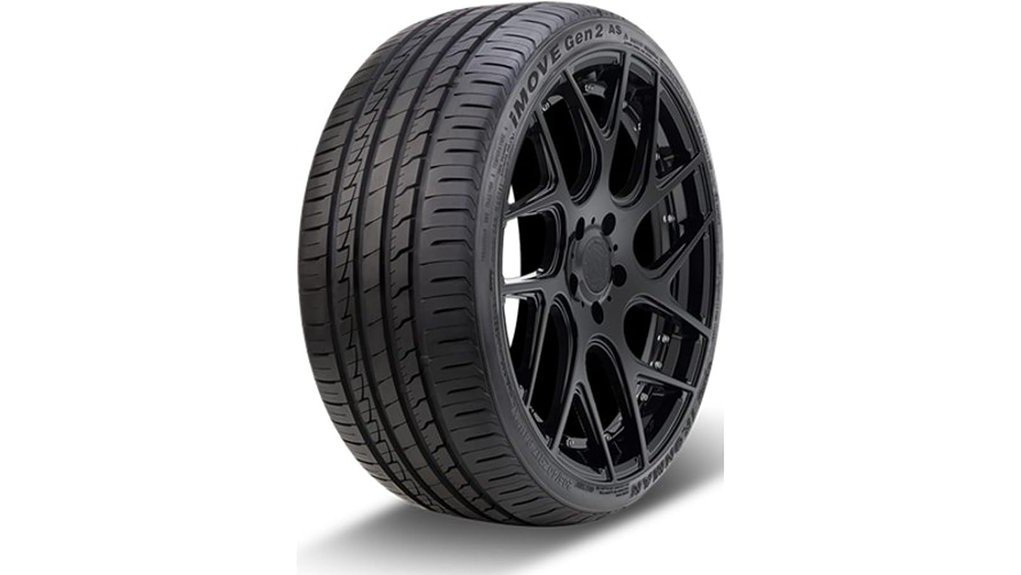
Ironman iMove Gen2 AS Review
Choosing a budget all-season tire can feel risky because a low price does not always mean the right fit, safe load rating, or good wet-road confidence. The Ironman iMove Gen2 AS is a 245/40R18 all-season tire aimed at drivers who want a practical replacement tire for daily commuting, highway miles, and moderate weather. This review helps you decide whether its listed 98W service description, 12/32-inch tread depth, non-directional tread pattern, and value-focused positioning make sense for your vehicle. It is best viewed as a normal everyday tire, not a dedicated winter tire or a premium ultra-high-performance option.
Quick Verdict
Rating: 7.4/10, recommended with caveats
Best For: Drivers who need an affordable 245/40R18 all-season tire for commuting, highway driving, and moderate climates.
Bottom Line: The Ironman iMove Gen2 AS makes sense if you want a value tire with practical dry-road stability and usable rain traction. Skip it if you need premium wet grip, a clearly listed treadwear warranty, or dependable winter performance.
[Products Worth Considering]

Monitor tire tread wear with a smart, color-coded depth gauge that shows clear condition ranges at a glance. The bar is range marked for fast, easy readings, helping you maintain safer traction and performance. Each gauge is portable with a pocket clip, and the set includes 20 units for daily use and sharing.

Milton S-921 pencil tire pressure gauge helps you maintain optimal tire pressure for passenger cars with accurate readings in PSI and kPa. It features a built-in deflator valve for convenient pressure adjustments, plus a single chuck head and nylon indicator bar for easy use on the go. Built from durable plated brass and designed for reliable performance, it’s a practical road trip and cold-weather maintenance tool.

The 22800 wheel stud installer makes replacing wheel studs quick and secure, saving time and effort during tire service. It uses a ratchet or impact wrench to pull new studs firmly into place, helping when existing studs are too long. Compatible with most automotive wheels and light-duty truck wheel studs, it’s designed for easy, tool-assisted installation.
Key Takeaways
- The Ironman iMove Gen2 AS is a value-focused all-season tire for daily driving in moderate conditions.
- The reviewed fitment is 245/40R18 with a listed 98W service description.
- The provided product details list 12/32-inch tread depth, 10-ply construction, 50 PSI maximum pressure, and 1,925 pounds of maximum load capacity.
- The non-directional tread can support more flexible tire rotation when your vehicle uses a square setup.
- It is not a winter tire, so choose dedicated winter tires for regular snow, ice, or freezing road conditions.
- You should confirm the size, load rating, pressure guidance, and seller-listed details before ordering.
Key Specifications
| Specification | Detail |
|---|---|
| Brand | Ironman |
| Model | iMove Gen2 AS |
| Product Type | All-season passenger tire |
| Reviewed Size | 245/40R18 |
| Service Description | 98W, as listed in the provided product details |
| Tread Depth | 12/32 inch, as listed in the provided product details |
| Construction | 10-ply, as listed in the provided product details |
| Tread Type | Non-directional |
| Overall Diameter | 25.7 inches, as listed in the provided product details |
| Maximum Pressure | 50 PSI, as listed in the provided product details |
| Maximum Load Capacity | 1,925 pounds, as listed in the provided product details. Confirm this against the tire sidewall and seller listing before buying. |
| Country of Manufacture | China, as listed in the provided product details |
| ASIN | B077Z6KJZS |
| Best Use | Daily commuting, highway driving, normal city use, and light year-round use in moderate climates |
Before You Buy: Match the 245/40R18 size, 98W service description, load capacity, and inflation guidance to your vehicle placard and owner’s manual. Do not buy by wheel diameter alone, and do not rely on seller specs without checking the tire sidewall when it arrives.
What Is the Ironman iMove Gen2 AS?
The Ironman iMove Gen2 AS is an all-season passenger tire made for drivers who want one value-focused tire for regular year-round use. This review covers the 245/40R18 version, a size often used on sport sedans, coupes, and some performance-oriented trims with 18-inch wheels. Fitment is not universal, so your vehicle placard, owner’s manual, wheel width, and suspension clearance should guide the final choice.
The listed 245 mm section width and 40 aspect ratio give this tire a wide, short-sidewall profile. That can help the tire feel steadier during lane changes than a taller touring size, but it can also make the ride firmer on broken pavement. The listed 25.7-inch overall diameter also matters because it can affect speedometer accuracy, ride height, clearance, and how closely the tire matches your original equipment size.
The non-directional tread is a practical ownership feature. When your vehicle uses the same tire size on all four corners and the wheels allow it, a non-directional pattern can make rotation easier than a directional tread. That can help manage wear, but it still depends on correct alignment, proper inflation, and regular rotation intervals.
Who Should Buy It?
Best For
- Drivers who need an affordable 245/40R18 replacement tire for daily commuting.
- Cars that require a 98W service description or a manufacturer-approved equivalent.
- Moderate climates where dry roads and rain are more common than snow and ice.
Skip If
- You need top-tier wet braking, premium quietness, or sharp performance steering.
- You often drive in snow, ice, or freezing rain and need a true winter tire.
- You want a tire with a clearly published treadwear warranty before purchase.
Key Features
All-Season Tread Design
The iMove Gen2 AS uses an all-season tread design for normal year-round driving. It is meant for dry roads, rain, and mild seasonal changes. It should not be treated as a replacement for a winter tire in regular snow or ice.
This makes the tire useful for drivers who want simple everyday coverage instead of seasonal tire swaps. The tradeoff is that a value all-season tire usually cannot match a dedicated summer tire in warm-weather grip or a dedicated winter tire in freezing conditions.
Non-Directional Tread
The non-directional tread pattern can give you more rotation flexibility. On many vehicles with square tire setups, the tire can move between positions more easily than a directional tire, as long as the wheel setup and vehicle instructions allow it.
That flexibility can help with even wear, especially if you rotate on schedule. It does not fix poor alignment, worn suspension parts, incorrect pressure, or aggressive driving habits.
98W Service Description
The listed 98W service description gives this tire a performance-minded rating for the reviewed size. That matters because many sport sedans and coupes need more than a basic passenger-car rating.
You should still treat the vehicle manufacturer’s requirements as the final rule. If your placard calls for a higher load rating, a different speed rating, or another tire size, choose the correct match instead of forcing this fitment.
12/32-Inch Tread Depth
The listed 12/32-inch tread depth gives the tire a useful starting depth for daily driving. More starting tread depth can help water evacuation early in the tire’s life, but tread life depends on alignment, rotation, inflation pressure, road surface, climate, and driving style.
Check tread depth as the tire wears. Wet traction can drop before a tire reaches the legal minimum, especially in heavy rain or standing water.
Fit and Compatibility
The reviewed 245/40R18 size can fit many sedans and coupes with 18-inch wheels, including some trims from brands such as BMW, Audi, Infiniti, and Nissan. That does not mean it fits every model from those brands. Tire size, wheel width, offset, suspension clearance, brake clearance, and required load rating all matter.
Before buying, compare this tire’s listed 25.7-inch overall diameter and 245/40R18 size with your current tire. A size mismatch can affect ride height, speedometer reading, steering feel, and clearance. If your car uses staggered tire sizes, confirm the correct front and rear sizes before ordering.
Pro Tip: Check the tire placard on the driver-side door jamb first, then compare it with the tire sidewall and owner’s manual. This is the safest way to confirm size, load rating, speed rating, and pressure before purchase.
Load, Pressure, and Buying Safety
The provided product details list a 98W service description, 50 PSI maximum pressure, and 1,925 pounds of maximum load capacity. Because tire listings can vary by seller and size, you should confirm these details on the live listing and on the tire sidewall before installation.
Do not use the sidewall maximum pressure as your normal daily pressure unless your vehicle manufacturer instructs you to. The correct everyday inflation target comes from your vehicle placard, and it should be checked when the tires are cold. A tire that is underinflated or overinflated can wear faster, ride poorly, and lose wet-road stability.
Dry Grip and Cornering Performance
On dry pavement, the Ironman iMove Gen2 AS uses its 245 mm width and 40-series sidewall to create a stable contact patch. That can help the tire feel steady during lane changes, freeway ramps, and normal cornering.
The short sidewall can reduce extra flex compared with taller tire sizes. That is useful if you want a controlled feel without paying for a more expensive ultra-high-performance tire. Still, this is a value-focused all-season tire, so keep expectations practical if you drive hard or want sharp steering feedback.
How It Handles Rain
In wet weather, the all-season design and listed 12/32-inch tread depth support usable rain traction. The non-directional tread can help move water across the contact patch, but this tire should be viewed as practical rather than premium in heavy rain.
You will get the safest result by slowing down in wet conditions, avoiding standing water, and replacing tires before tread depth becomes unsafe. Tire pressure also matters because underinflation can hurt wet handling, braking stability, and tread wear.
[Products Worth Considering]

The Big Rig Defense Tire Thumper is a truck tire pressure checker that lets you quickly check multiple tires by giving them a firm whack. Listen for a reassuring thump and feel the stick bounce when a tire is fully inflated, helping you get back on the road safely. It features a comfortable, glove-friendly handle and a secure wrist strap for confident use on busy routes.

The Kurgo Seasonal Tire Tote helps protect your car interior, clothes, and garage from tire grime, brake dust, and residue during seasonal tire changes. Its universal design fits most passenger tires between 22" and 31" in diameter, making storage and transport simpler with less mess. Built for rugged, repeated use, it’s machine washable for easy care and comes with a lifetime warranty.

This manual duck head tire changer kit makes tire installation and removal simpler by letting you embed the duck head into the tire with applied pressure. The integrated design and durable steel construction help reduce friction and improve efficiency and safety during use. Suitable for 16–21 inch wheels, it’s convenient for cars, trucks, SUVs, and ATV tires, with 24-hour after-sales support.
Ride Comfort and Road Noise
The 245/40R18 size has a relatively short sidewall, so it may feel firmer than a taller touring tire. That is normal for this kind of fitment. The tire is aimed at daily use, so comfort should be acceptable for commuting and highway driving on decent pavement.
Road noise can vary by vehicle, pavement texture, alignment, and tire age. A non-directional all-season tread can be easier to live with than more aggressive performance patterns, but you should still expect some road sound from a wide 18-inch tire.
Winter and Light Snow Limits
The Ironman iMove Gen2 AS may handle mild seasonal conditions better than a summer tire, but it is not a dedicated winter tire. If you regularly drive in snow, ice, freezing rain, or mountain conditions, winter tires are the safer choice.
This limit matters because all-season wording can sound broader than it really is. In cold weather, traction depends on tread compound, tread design, remaining depth, road temperature, and driver behavior. For winter-prone areas, treat this tire as a mild-weather option.
How It Performs in Real Use
Daily Commuting
For normal city and suburban driving, this tire works best as a practical replacement option. The 245/40R18 size and 98W service description suit many performance-minded daily drivers, while the all-season tread gives you basic coverage for dry roads and rain.
Highway Driving
On highways, the wide tread and short sidewall can help the tire feel planted during lane changes. Comfort will depend on your vehicle and road surface, but the tire’s daily-use positioning makes it a sensible match for regular commuting miles.
Rainy Days
In rain, the tire should be treated as usable rather than high-end. Keep the tread depth healthy, maintain the correct pressure, and reduce speed in heavy rain. Those habits matter as much as the tire itself when water builds on the road.
Long-Term Ownership
Long-term results will depend on maintenance. Rotate the tires when your vehicle manual recommends it, check pressure when the tires are cold, and inspect for uneven wear. If you notice vibration, pulling, cupping, or rapid shoulder wear, have the alignment and suspension checked.
Maintenance and Rotation Tips
The non-directional tread can make rotation easier on many vehicles, but the correct pattern still depends on your drivetrain, wheel setup, and tire size arrangement. If your vehicle uses the same size at all four corners, rotation may be more flexible than on staggered setups.
Check inflation pressure at least monthly and before long trips. Do not use the 50 PSI maximum pressure as your normal target unless your vehicle manufacturer tells you to. The correct everyday pressure comes from your vehicle placard, not just the tire sidewall.
Inspect tread depth and wear patterns during oil changes or seasonal maintenance. Uneven inner-edge wear, outer-edge wear, or feathering can point to alignment or suspension issues that shorten tire life.
Pros and Cons
Pros
- All-season design suits daily driving in moderate conditions.
- 245/40R18 size fits many sport sedan and coupe applications when verified against the vehicle placard.
- Listed 98W service description gives it a performance-minded rating for the reviewed size.
- Non-directional tread can make rotation easier on many square tire setups.
- Listed 12/32-inch tread depth gives a useful starting depth for regular use.
Cons
- Not designed to match dedicated winter tires in snow and ice.
- Wet traction should be viewed as practical, not premium.
- No treadwear warranty is listed in the provided article details.
- The 40-series sidewall may feel firm on rough roads.
- Seller-listed load, construction, and pressure details should be checked before installation.
Is It Worth the Price?
The Ironman iMove Gen2 AS is worth considering if you want a value-oriented all-season tire and your driving needs are normal. Its main appeal is practical year-round use in a popular 18-inch performance size.
You get the most value from it if you drive mostly on dry roads and rain, maintain your tires well, and want a budget-friendly option rather than a premium touring or ultra-high-performance tire. It is not the right choice if you expect luxury-level quietness, top-tier wet grip, or strong winter traction.
Since tire listings can change by seller and size, check the live Amazon listing before buying. Confirm the exact size, service description, construction details, country of manufacture, and any warranty notes shown by the seller.
How It Compares to Alternatives
If you want more context before buying, compare the Ironman iMove Gen2 AS with similar value-focused all-season tires such as the Lexani LXUHP-207, Fullway HP108, and Milestar MS932 Sport. These options often appeal to drivers shopping in budget or value performance sizes.
The Ironman makes the most sense if you want a practical daily tire with a non-directional tread and a 98W service description in the reviewed size. If you care more about a clearly published treadwear warranty, premium wet braking, or winter traction, compare higher-tier all-season or winter-specific tires before deciding.
Common Mistakes to Avoid
- Buying by size only: Confirm load index, speed rating, and pressure guidance, not just 245/40R18.
- Assuming all-season means snow-ready: This tire is not a dedicated winter tire.
- Ignoring tread depth over time: Wet performance drops as tread wears, even before the legal minimum.
- Using sidewall max PSI as daily pressure: Follow your vehicle placard for normal inflation.
- Skipping alignment checks: Poor alignment can shorten tire life and cause uneven wear.
Frequently Asked Questions
What vehicles fit the 245/40R18 size?
The 245/40R18 size can fit many sedans and coupes with 18-inch wheels, including some trims from BMW, Audi, Infiniti, and Nissan. Fitment is not universal, so check your vehicle placard, owner’s manual, wheel width, suspension clearance, and required load rating before buying.
Is the Ironman iMove Gen2 AS good for daily commuting?
Yes, it is best suited for daily commuting, city driving, and highway use in moderate weather. It is a value-focused tire, so expect practical performance rather than premium refinement.
Is this tire suitable for light snow?
It may handle mild seasonal snow better than a summer tire, but it is not a winter tire. For regular snow, ice, freezing rain, or mountain driving, a dedicated winter tire is the safer choice.
What is the tire’s treadwear warranty?
The provided article details do not list a public treadwear warranty. Check the current Amazon listing, seller notes, tire paperwork, or manufacturer warranty information before purchase.
What maximum load capacity is listed?
The provided product details list a maximum load capacity of 1,925 pounds. Because tire specs can vary by exact size and listing, confirm the sidewall markings and your vehicle’s required load rating before installation.
Is the Ironman iMove Gen2 AS directional?
The provided article details describe it as a non-directional tire. That can make rotation more flexible than a directional tread, but the correct rotation pattern still depends on your vehicle, wheel setup, and tire sizes.
Where is the Ironman iMove Gen2 AS manufactured?
The provided product details list China as the country of manufacture. Manufacturing origin can vary by listing or production batch, so check the current tire label and seller information if this matters to you.
Can you use 50 PSI as the normal tire pressure?
No. The listed 50 PSI is a maximum pressure figure from the provided product details, not your daily inflation target. Use the pressure listed on your vehicle placard unless your owner’s manual or tire professional gives a different instruction for your setup.
The Bottom Line
The Ironman iMove Gen2 AS is a practical 245/40R18 all-season tire for drivers who want basic year-round use, stable dry handling, and acceptable comfort at a value-focused level. Its listed 98W service description, 12/32-inch tread depth, non-directional tread, and seller-stated load details make it worth considering for many daily drivers after fitment is confirmed.
Buy it if you want an affordable daily tire for moderate weather and your vehicle requirements match the listed size and rating. Skip it if you need strong winter traction, premium wet grip, or a clearly listed treadwear warranty before purchase.
Ready to Buy?
Check the latest price, seller details, and exact tire specifications before you decide.
[Products Worth Considering]

TIRESHIELD PRO RV tire covers in a set of four deliver year-round protection against UV rays, cracking, fading, water, and snow. The StormLock-System helps keep the covers securely fastened through high wind, while heavy-duty, double-stitched construction supports long-lasting performance. Designed for universal fit, they’re intended for RV, camper, truck, car, and trailer tires within the 26–28.75 inch diameter range, with easy wipe-clean care and storage in the included bag.

Steelman white tire marking crayons provide high-contrast, semi-permanent marks for repairing and inspecting tires and equipment. They write on wet or dry, smooth or coarse surfaces including rubber, metal, glass, and wood, making them ideal for puncture location and damage outlining. The lead- and zinc-free crayons resist weather and fading yet wipe away when you no longer need the marks.

Measure tire tread depth quickly and accurately with this LUMITECO dial gauge that reads in 1/32" increments up to 14/32". The color-coded green/yellow/red zones make it easy to judge tire wear and know when replacement is needed. A rugged, compact design with a protective pouch helps keep the gauge ready for use on cars, trucks, motorcycles, and more.

Related Articles
Green Max GTL202 Tire Review: Performance Insights
I review the Green Max GTL202’s load, wet grip, and highway manners to reveal whether this trailer tire truly earns fleet trust.
Read More
Landspider Citytraxx H/T Tire Review
Curious if the Landspider Citytraxx H/T delivers on a budget? Discover the grip, comfort, and trade-offs before you decide.
Read More
GT Radial Savero HT2 Tire Review
Never settle for guesswork—discover what the GT Radial Savero HT2 really delivers in wet, dry, and everyday driving before you buy.
Read More