
Tire Plugs, Vulcanizing Tire Patches Review
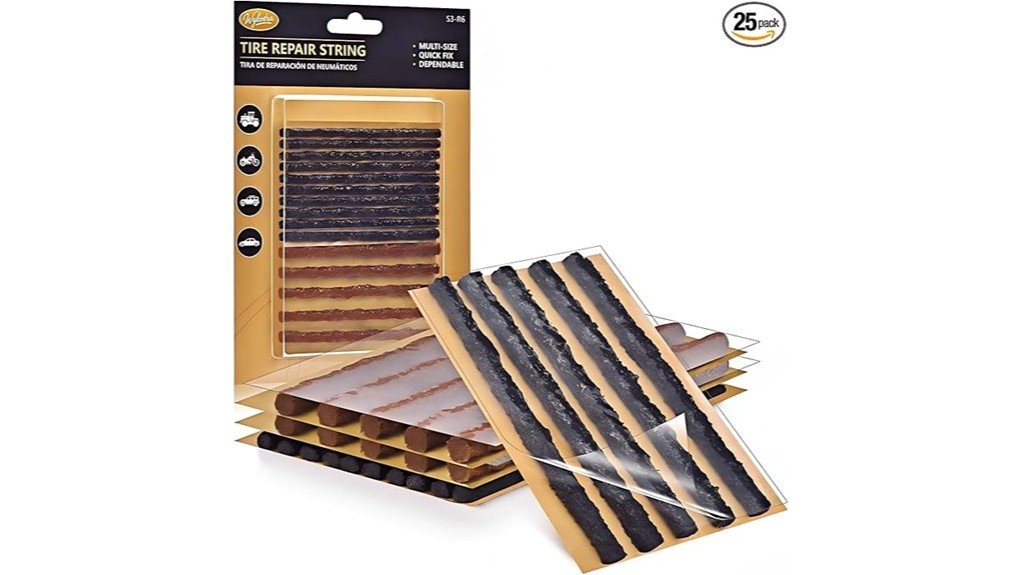
Tire plugs and vulcanizing patches are practical fixes for tubeless tire punctures, but the right choice depends on hole size, location, and tire condition. A 1/4-inch plug may work for small tread punctures, while larger damage usually calls for inspection or replacement. Q: Are these repairs reliable? A: Often, yes, if installed correctly and used within limits. The real difference shows up in durability, seal quality, and whether the tire is safe to keep on the road.
Key Takeaways
- Tire plugs and vulcanizing patches quickly seal tubeless tire punctures and help restore air retention.
- Small tread punctures are often repairable, while sidewall, shoulder, or bulge damage usually requires replacement.
- Choose 1/8 x 4-inch plugs for small holes and 1/4 x 4-inch plugs for larger tears.
- Proper installation includes cleaning the puncture, inserting the plug, trimming excess, and checking for leaks.
- Vulcanizing patches offer durable, heat-resistant repairs, but professional inspection improves safety and repair confidence.
What Are Tire Plugs and Vulcanizing Patches?
Tire plugs and vulcanizing patches are practical repair materials designed to seal punctures in tubeless tires, helping restore air retention without replacing the tire right away.
In tire repair, a plug fills the hole from the inside or outside, while a vulcanizing patch bonds to rubber for a tighter seal.
What do they offer? Quick, direct puncture prevention, fewer delays, and more freedom on the road.
These kits often use 1/8 x 4-inch or 1/4 x 4-inch pieces, made for durability, weather resistance, and discreet repairs.
These kits often use 1/8 x 4-inch or 1/4 x 4-inch pieces for durable, weather-resistant, discreet repairs.
Used correctly, they support dependable, temporary service.
Which Tire Plug Size Fits Your Repair?
How does a repairer choose the right plug size? The answer depends on puncture width, tear length, and the tire’s material.
For small punctures, the 1/8 x 4 inch plug usually fits best, offering a slim profile for tight holes. For larger tears and large gashes, the 1/4 x 4 inch plug gives more rubber mass and broader coverage.
Each kit includes 25 pieces, with black and brown options that blend discreetly. If the damage exceeds these sizes, a professional inspection is wise.
Match size to injury, and the repair keeps freedom moving forward.
How to Use Tire Plugs to Seal a Flat
To seal a flat quickly, the repairer starts by locating the puncture, cleaning the damaged area, and selecting the correct plug size for the hole.
Next, the tool inserts the rubber strip, then pulls it through so both ends remain outside; trim the excess close to the tread.
Press firmly, add air to the vehicle’s recommended pressure, and inspect for leaks with soapy water.
For tire maintenance tips, keep the kit, insertion tool, and compressor ready.
Need emergency repair solutions? This method can restore mobility in about 60 seconds, letting drivers move forward with greater freedom and less dependence.
How Durable Are Vulcanizing Tire Patches?
Built for demanding roadside repairs, vulcanizing tire patches are designed to hold up under real-world stress rather than provide a fragile short-term fix. Their durability factors include premium rubber, heat resistance, and a vulcanized bond that fuses to the tire.
For many users, repair longevity depends on puncture size, installation care, and driving conditions. What should be expected? A clean, correctly applied patch can remain sealed through miles of daily use.
Black and brown sizes, 1/8 x 4 inches and 1/4 x 4 inches, offer practical coverage. Still, proper inspection supports lasting confidence and informed freedom.
When to Repair a Tire and When to Replace It?
A tire should be repaired only when the damage is small, properly located, and the casing still has enough strength to hold a safe seal.
For tire repair, punctures under 1/4 inch in the tread area are often candidates; sidewall cuts, shoulder damage, exposed cords, bulges, or tread separation usually call for replacement.
Ask: is the injury clean, single, and reachable? If yes, a plug or vulcanizing patch may restore service. If no, tire safety takes priority, and replacement is the wiser path.
When in doubt, a professional inspection helps protect freedom of motion.
Frequently Asked Questions
Are Tire Plugs Safe for Highway Driving?
Generally, tire plugs are not ideal for highway driving unless professionally installed and inspected; tire safety depends on puncture size, placement, and repair quality. For highway performance, a temporary plug should be followed by proper repair.
Can These Patches Work on Sidewall Punctures?
No, these patches are not suited for sidewall punctures; the sidewall’s integrity depends on flexible, layered strength. Like stitching fog with thread, they can aid puncture prevention in tread areas, but sidewall damage needs professional replacement.
Do I Need Special Tools for Installation?
No special tools are strictly required, but proper installation techniques improve results. Tool recommendations include a reamer, insertion tool, and trimming knife; these help secure a swift, independent repair without relying on outside assistance.
Will the Plugs Work in Cold Weather?
Sure thing, these plugs can work in cold weather, though cold weather performance may slow installation. Their tire plug longevity depends on proper sealing and careful use. Freed from roadside dread, the traveler proceeds.
How Many Repairs Does One 25-Piece Kit Cover?
A 25-piece kit covers up to 25 repairs, assuming one plug per puncture. Repair longevity depends on damage size and installation quality, while kit compatibility supports many tubeless tires, offering practical roadside liberation.
Conclusion
In the end, tire plugs and vulcanizing patches are practical, fast, and often effective—provided the damage is modest and the repair is done correctly. A 1/4-inch puncture is one thing; a shredded sidewall is another, no matter how optimistic the weekend mechanic may feel. The sensible approach is simple: repair small tread punctures, inspect carefully, and replace damaged tires when safety demands it. Convenience is useful, but rubber still obeys physics.

Related Articles
AUTODECO Car Emergency Kit Review
For the AUTODECO Car Emergency Kit review, see whether its compact roadside essentials are truly ready when an emergency hits.
Read More
CKAuto 30pcs 4″ Brown Tire Repair Strings Review
Not every flat is a disaster—see if the CKAuto 30pcs 4" Brown Tire Repair Strings can really save your tire when it matters most.
Read More
SINGARO 12PCS Tire Valve Stem Caps Review
Compact, orange SINGARO tire valve stem caps promise style and sealing performance—but do they actually deliver real everyday value?
Read More