Best Car Tire Brands 2026: Top 7 Options (By Safety, Grip, Comfort, and Value)

Choosing the right tires affects safety, handling, braking distance, road noise, and even fuel economy. With so many brands on the market, it helps to narrow the field by performance factors that matter in real driving conditions, from wet pavement to light snow.
This guide highlights seven of the most reliable tire brands for 2026, plus a practical framework for selecting the best match for your vehicle and climate.

✅ What makes a “best” tire brand?
Different drivers prioritize different things, but the strongest brands usually excel in several key categories:
- Grip and braking: Especially in wet conditions, where tire traction strongly impacts stopping.
- Handling and stability: Steering response, cornering control, and resistance to hydroplaning.
- Comfort and noise: A smoother ride and quieter tread patterns for highway driving.
- Durability and tread life: Mileage you can count on, plus even wear across the tire set.
- Weather performance: All-season, all-weather, or winter capability depending on your climate.
- Value: Not just the purchase price, but cost per mile based on tread life and performance.
- Technology and build quality: Materials, tread design, and innovations like run-flat capability or noise-reducing features (where applicable).
🔎 How to choose the right tire brand for your car (fast checklist)
Brand matters, but tire model and spec matter more. Use this checklist before buying:
- Match your tire size and load rating exactly to your vehicle’s requirements (from the door jamb or owner’s manual).
- Pick the right type for your climate:
- All-season: Mild seasonal changes and occasional cold snaps.
- All-weather: Better winter traction than typical all-seasons for more consistent cold-weather performance.
- Winter: Dedicated cold, snow, and ice performance.
- Decide what you care about most:
- Wet braking and confidence
- Long tread life
- Quiet comfort
- Performance handling
- Fuel efficiency (where relevant)
- Check treadwear and warranty for durability expectations.
- Look for reviews tied to your conditions (rain, highway noise, snow frequency).
- Don’t ignore installation: Proper mounting, balancing, and alignment have a big impact on wear and ride quality.
🏆 Top 7 best car tire brands for 2026
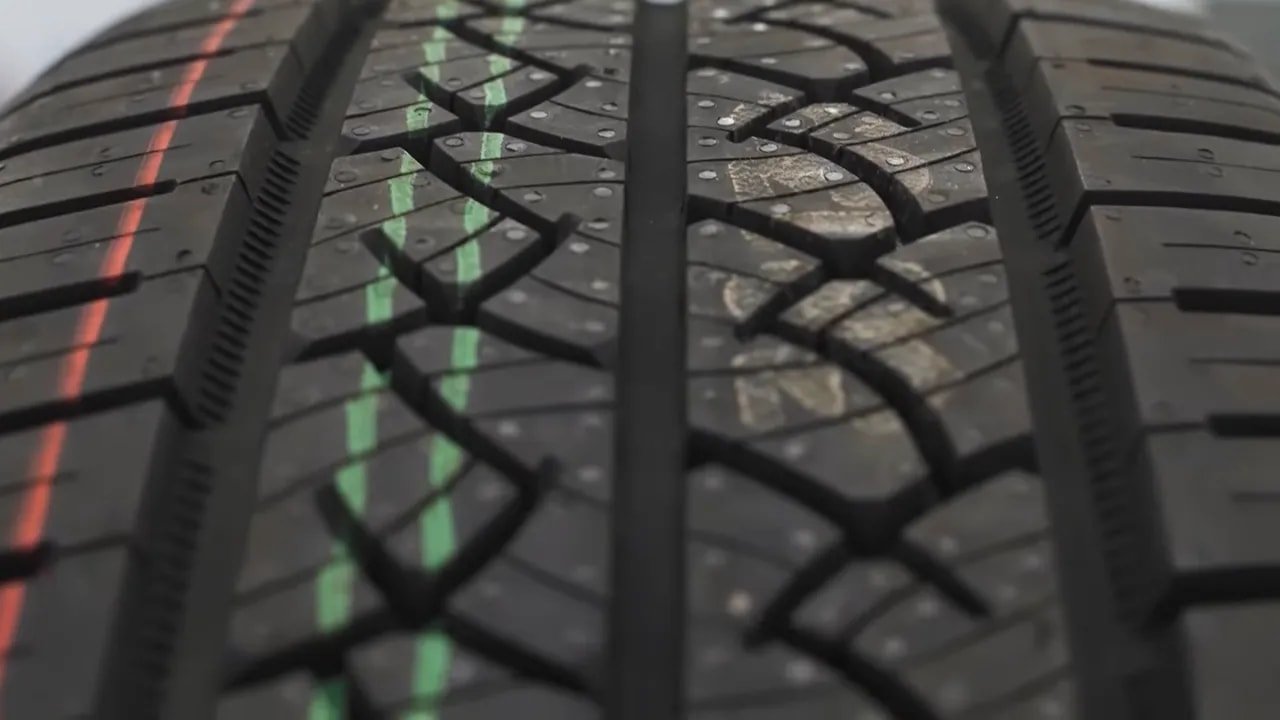
These brands are consistently recognized for performance, safety, and value across many tire lines. The “best” choice for you depends on your driving conditions and the tire model you select within each brand.
7) Cooper Tires
Cooper is known for delivering solid all-around performance without forcing you into premium pricing. It’s a strong pick for drivers who want dependable tires that work well across typical weather ranges, including rougher roads.
Best for: Value-focused drivers, families, and daily commuting (including light off-road use depending on the line).
Why it stands out: Often emphasizes comfortable ride quality and dependable traction at competitive prices.
6) Yokohama Tires
Yokohama blends comfort-focused engineering with performance-oriented tread designs. Many drivers appreciate responsive handling and a quieter ride, supported by tread and rubber technologies meant to reduce road noise.
Best for: People who want a balanced tire (comfort plus grip) at mid-range pricing.
Why it stands out: Wide lineup that includes performance, all-season, and off-road options, with some models aimed at lower rolling resistance.
5) Pirelli Tires
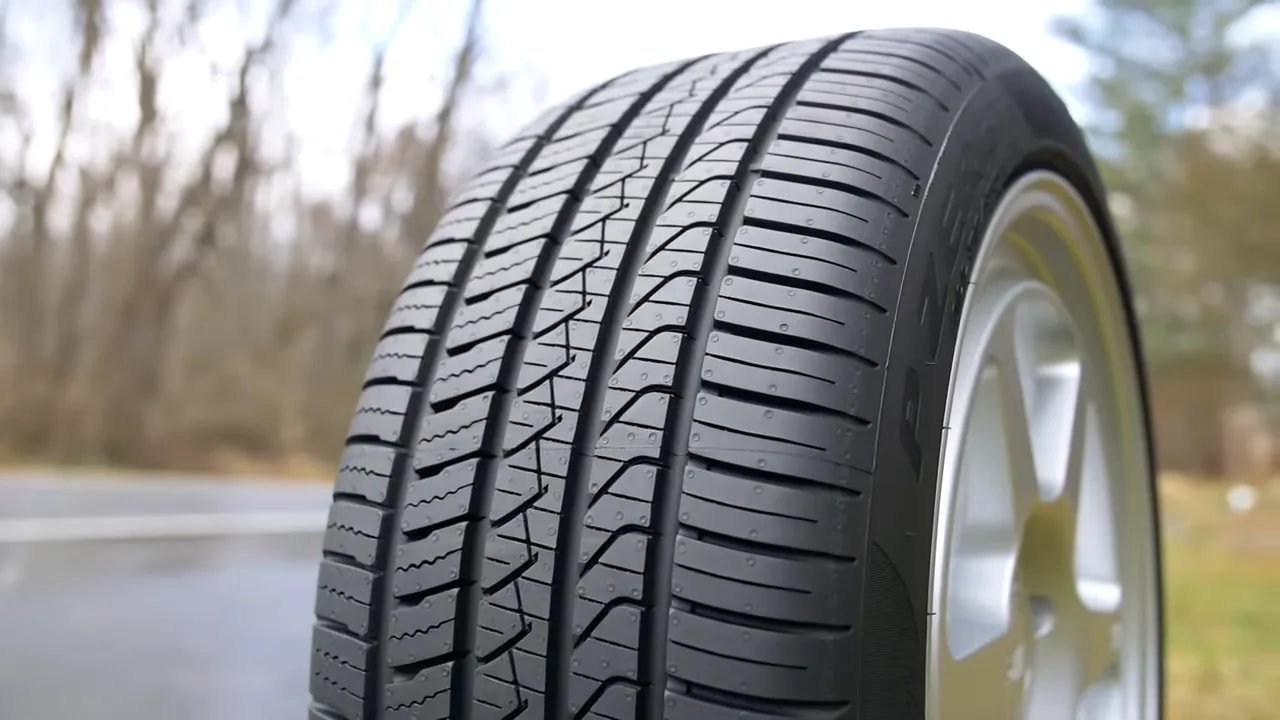
Pirelli is widely associated with high-performance driving. If you care about steering feel, grip, and confident control at speed, it is a brand worth considering.
Best for: Sport sedans, performance vehicles, and drivers who prioritize handling and responsiveness.
Why it stands out: Strong reputation for road feel and traction in both dry and wet conditions, with performance winter options in some lines.
Trade-off: Many Pirelli tires cost more and may not always match the longest tread-life leaders.
4) Goodyear
Goodyear is one of the most established tire manufacturers, with a reputation for dependable traction and comfortable ride quality across different categories. It also offers technology-focused options, such as run-flat designs in select applications.
Best for: Drivers who want mainstream reliability, strong wet traction, and a broad selection of tire types.
Why it stands out: Well-built tires and a product lineup that fits many vehicles, from everyday commuters to SUVs and performance models.

3) Continental
Continental is a top choice for drivers who prioritize safety, especially in rain. Many Continental models are designed to deliver strong wet braking and confident handling.
Best for: People who drive frequently in rainy climates or want a more safety-first tire feel.
Why it stands out: Strong performance across wet braking and steering stability, plus comfort-enhancing technologies on certain lines.
Trade-off: Off-road-focused options may be more limited compared with some specialty brands.
Shop Continental Tires on Amazon
2) Bridgestone
Bridgestone is one of the largest tire makers globally and offers an extensive lineup. It is known for strong all-around performance, with options tailored to snow and ice, fuel savings, and performance-oriented driving.
Best for: Drivers who want a trusted “do-it-all” brand and multiple style choices depending on season and vehicle type.
Why it stands out: Broad coverage across comfort, wet/dry handling, and weather-specific tires.
Trade-off: Some budget-focused models may have shorter tread life compared with higher-tier options.
Shop Bridgestone Tires on Amazon
1) Michelin
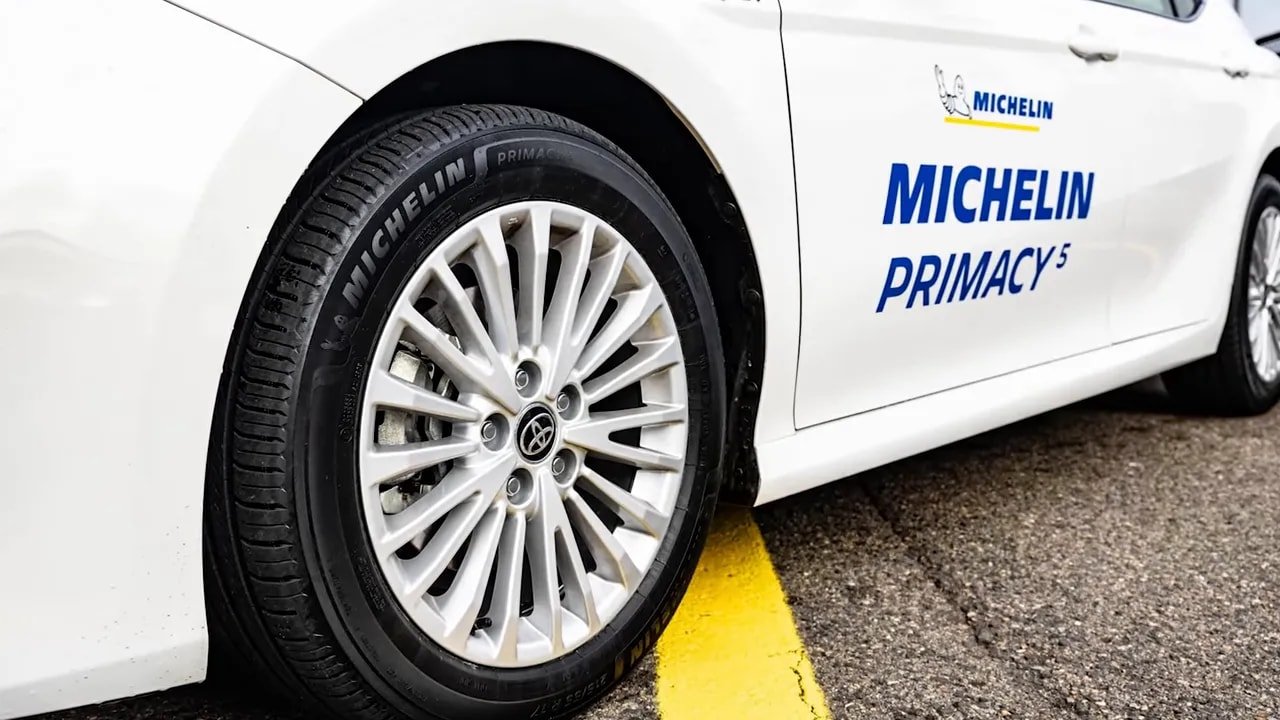
Michelin is often considered a benchmark brand for quality and consistency. It is especially well-regarded for safety performance, long tread life, and a comfortable ride with low noise.
Best for: Drivers who want a reliable tire that performs well in multiple conditions and lasts.
Why it stands out: Consistent results across categories, with models designed for wet grip and all-weather capabilities in relevant lines.
Trade-off: Premium pricing is common, but many drivers justify it through longevity and performance.
🌧️ Which brand is best for wet driving, snow, or everyday comfort?
Instead of trying to pick a single “best,” match the brand to your driving reality:
- Wet safety and confident braking: Continental, Michelin, Goodyear
- All-around comfort with balanced grip: Yokohama, Bridgestone, Cooper
- Winter traction (snow and ice focus): Bridgestone (notably snow/ice lines), Michelin (all-weather and winter options), plus brand-specific winter ranges from others
- Performance handling and responsiveness: Pirelli (performance-first), plus performance-focused lines from other major brands
- Value without sacrificing core safety: Cooper, Goodyear, select Yokohama and Bridgestone models
⚠️ Common tire-buying mistakes to avoid
- Buying by brand only: Two tire models from the same brand can behave very differently.
- Ignoring climate needs: All-season tires are not the same as winter tires, and all-weather tires are not identical either.
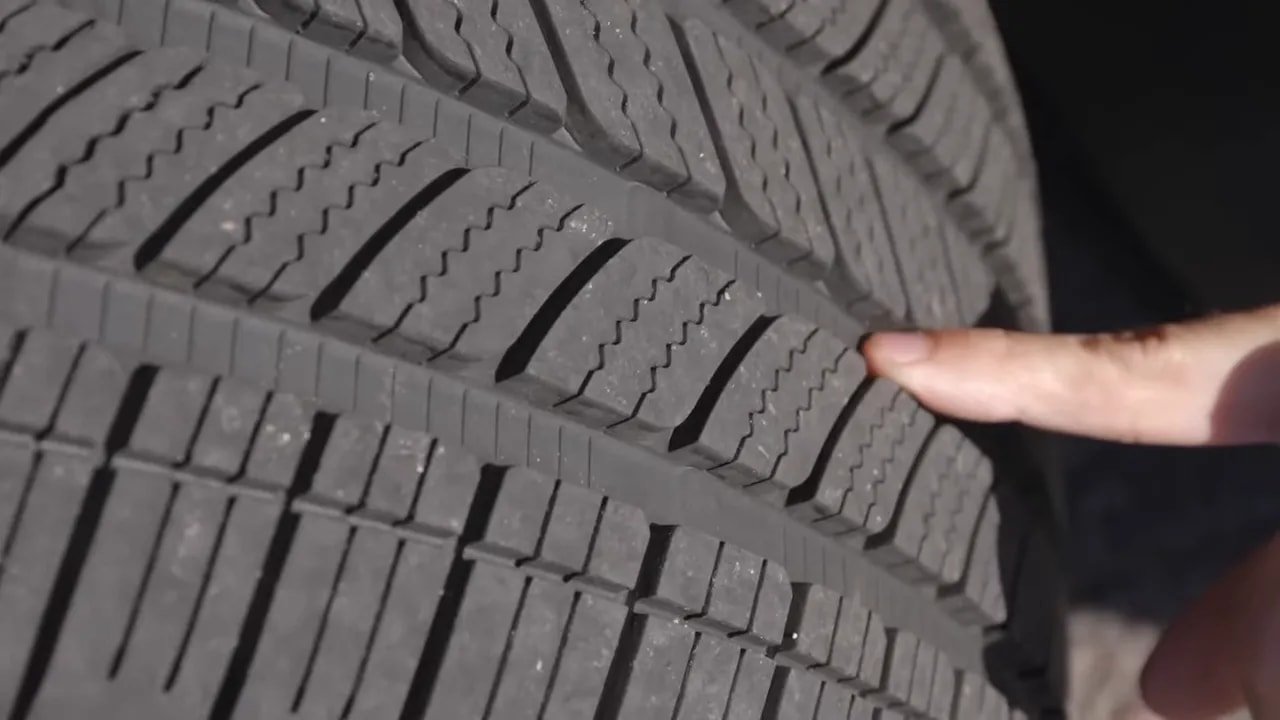
- Overlooking tire ratings: Look beyond tread pattern. Prioritize size, load index, speed rating, and intended season.
- Replacing only one tire: For many vehicles, it is safer and more stable to replace in pairs or sets to maintain even traction characteristics.
- Skipping alignment checks: Misalignment leads to uneven wear and shorter tread life, regardless of brand.
- Underestimating noise and comfort: Tread design affects cabin sound quality, especially on highways.
🧠 A simple decision method (so you don’t overthink it)
If you want a quick framework, use this:
- List your top priority (wet braking, comfort, snow traction, or value).
- Pick 2 to 3 brands that match that priority.
- Choose the right tire type (all-season, all-weather, or winter).
- Compare models within those brands using:
- Expected tread life
- Noise ratings or user feedback about road sound
- Wet braking performance notes
- Warranty terms
- Confirm fitment for your exact vehicle and wheel size.
📌 FAQ about the best car tire brands
What is the best tire brand overall?
Which tire brand is best for wet weather?
Are all-season tires enough for winter?
Do premium tires last longer?
Should I buy run-flat tires?
How many tires should be replaced at once?
✅ Final takeaway: how to pick your best tire brand in 2026
If you want a short list of strong contenders, start with Michelin, Continental, Bridgestone, and Goodyear for safety and all-around reliability. If you prioritize value, Cooper can be a smart choice. For comfort and balanced performance, consider Yokohama. If you want performance feel and sharper control, Pirelli is the brand to explore.

Related Articles
Best All-Terrain Tires for Trucks (2026): Top 6 Picks for Road and Off-Road
All-terrain (A/T) tires are the compromise that many truck owners actually want: confident traction on pavement, plus durability for gravel, mud, and rough trails.…
Read More
Best All-Terrain Tires for Low Road Noise (2025): Quiet Picks That Still Tackle Dirt
All-terrain tires are built for more than paved roads. The tradeoff is often louder driving. If road noise is your top concern, the good…
Read More
Best All-Terrain Tires for Highway Driving (2026): Top Picks for Quiet, Safe Performance
All-terrain tires are built to handle more than pavement, but most drivers still want predictable handling, good wet braking, and reasonable road noise on…
Read More