Best UHP Winter Tires (2026): Top 7 Picks for Performance, Snow, and Wet Roads
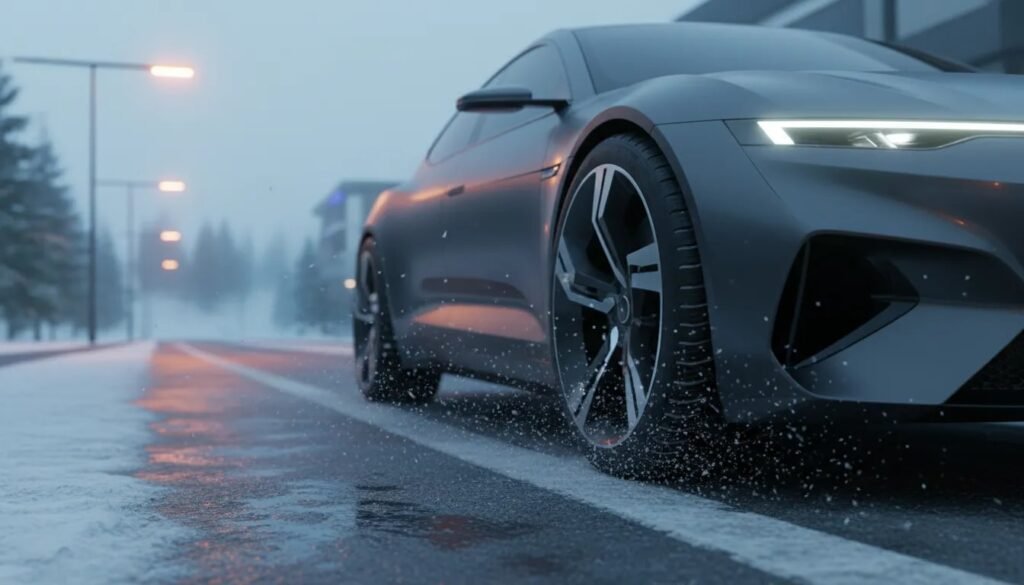
Ultra-high-performance (UHP) winter tires are built for drivers who refuse to compromise on handling when temperatures drop. They aim to deliver sharper steering response, stronger grip in cold conditions, and confident braking on snow, slush, and wet pavement.
If you are shopping for the best UHP winter tires in 2026, this guide breaks down practical differences, what to prioritize based on your climate, and the top options worth considering right now.
❄️ What “UHP winter” means and who it is for
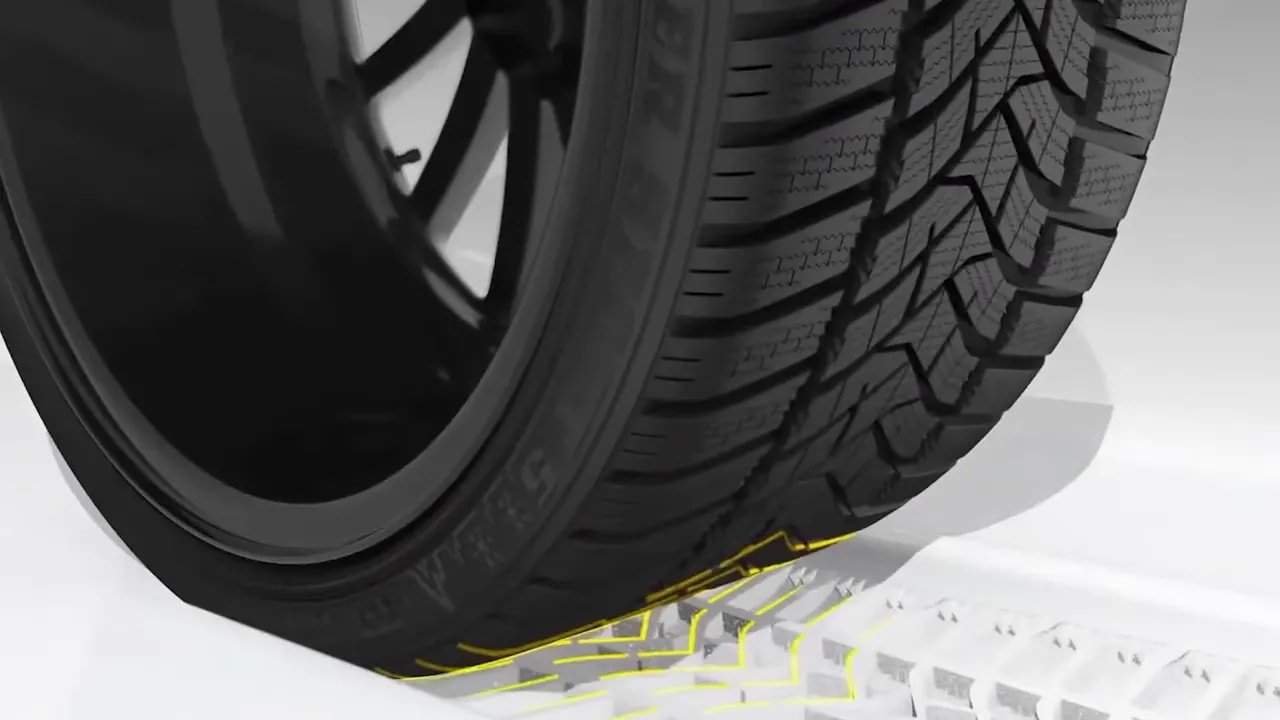
UHP winter tires blend winter-specific rubber compounds and tread patterns with the performance expectations of drivers who are used to summer tires. They typically include:
- Stability and steering precision at colder temperatures
- Better wet and slush control than many “comfort-first” winter models
- Confident braking across snow and cold pavement
- Higher speed ratings and stiffer constructions for sporty vehicles
These tires are a strong fit for sports cars, performance sedans, and drivers who prioritize control and responsiveness during winter storms.
🧠 How to choose the best UHP winter tire for your driving
Before comparing brands, match the tire to your winter conditions. Use this quick framework.
1) Prioritize your most common hazards
- Mostly rain, slush, and standing water: focus on wet braking and hydroplaning resistance.
- Regular packed snow and ice: focus on snow traction and ice confidence.
- Mixed weather with frequent temperature swings: balance wet and snow performance.
2) Confirm the exact fit
UHP winter tires must match your vehicle requirements for:
- Size (example: 255/40R19)
- Load index
- Speed rating
- Fit type (some are vehicle specific)
3) Decide how you want the tire to “feel”
- Some tires are tuned for sharp steering response and sporty feel.
- Others emphasize comfort and smooth ride while still delivering performance.
Your ideal tire depends on whether you want “race car in winter” handling or a smoother, quieter ride that still performs.
🏆 Top 7 UHP winter tires to consider in 2026
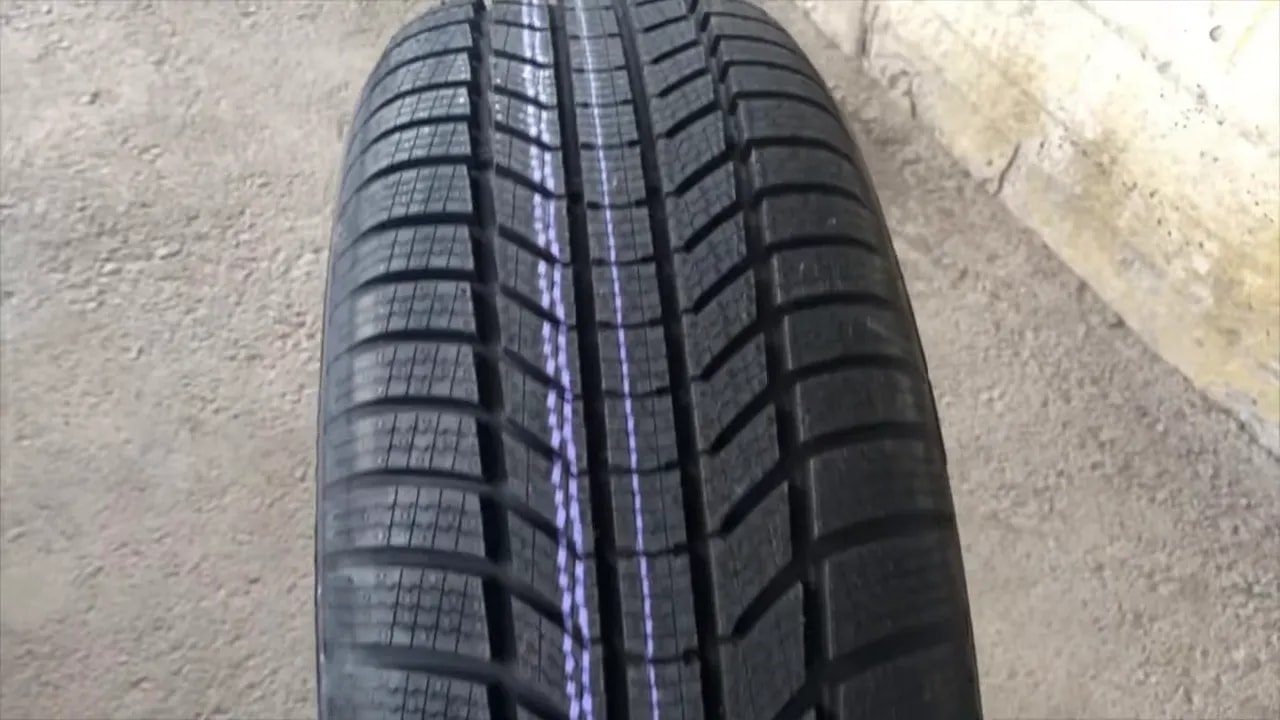
The picks below are widely regarded for strong winter traction, confident wet handling, and overall balance in their segment. Availability and pricing vary by size, so choose your exact fit before comparing costs.
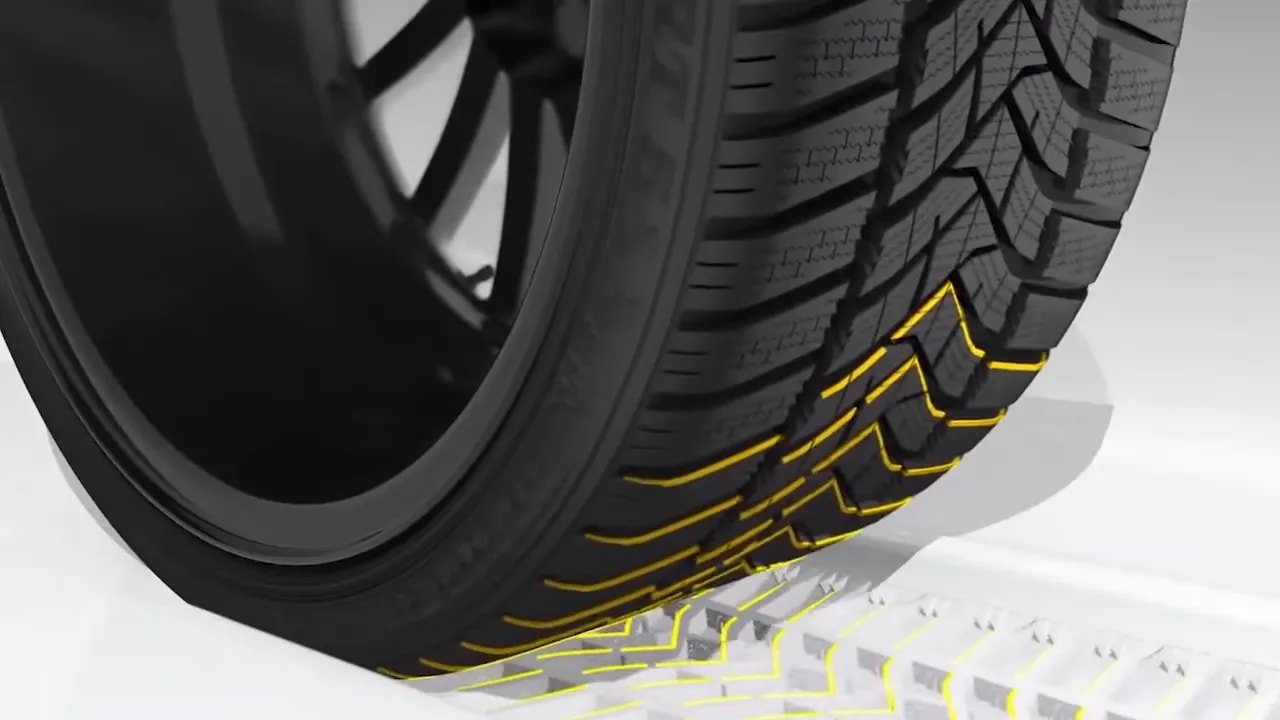
7) Dunlop Winter Sport 5
Best for: drivers who want balanced winter performance with strong snow control.
Why it stands out: strong all-around winter behavior, with particular strength in snow braking and snow handling. It also tends to perform consistently on wet pavement without surprising behavior.
Shop: Dunlop Winter Sport 5 on Amazon
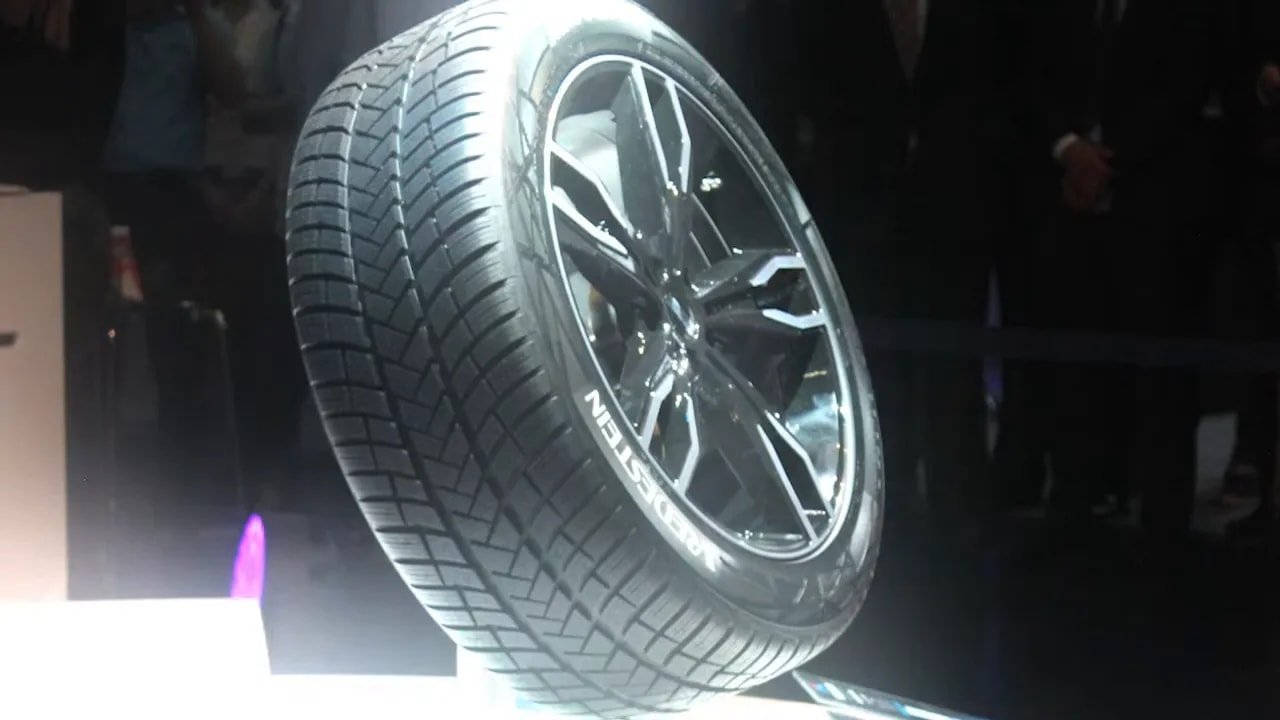
6) Vredestein Wintrac Pro
Best for: performance-minded drivers who see a lot of snow and rain.
Why it stands out: strong traction and stable handling in snowy conditions, plus confident wet-road braking and control during stormy weather. Expect a sporty steering feel, with slightly higher rolling resistance depending on the size.
Shop: Vredestein Wintrac Pro on Amazon
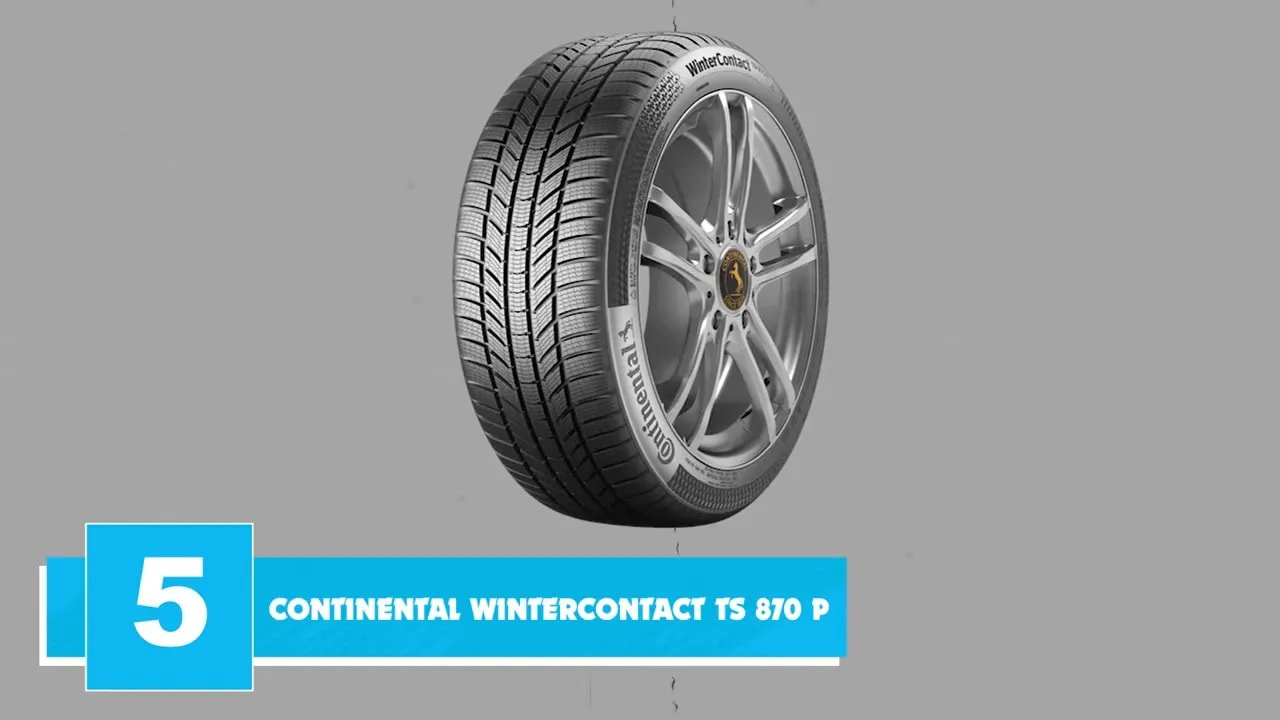
5) Continental WinterContact TS 870 P
Best for: drivers who want a dependable winter tire that is also comfortable.
Why it stands out: typically known for stability across dry, wet, and snowy conditions. It is often praised for comfort and reduced noise, plus good resistance to aquaplaning in slush and puddles. Some sizes may be slightly less impressive on very hard ice compared with the very top leaders.
Shop: Continental WinterContact TS 870 P (Amazon)
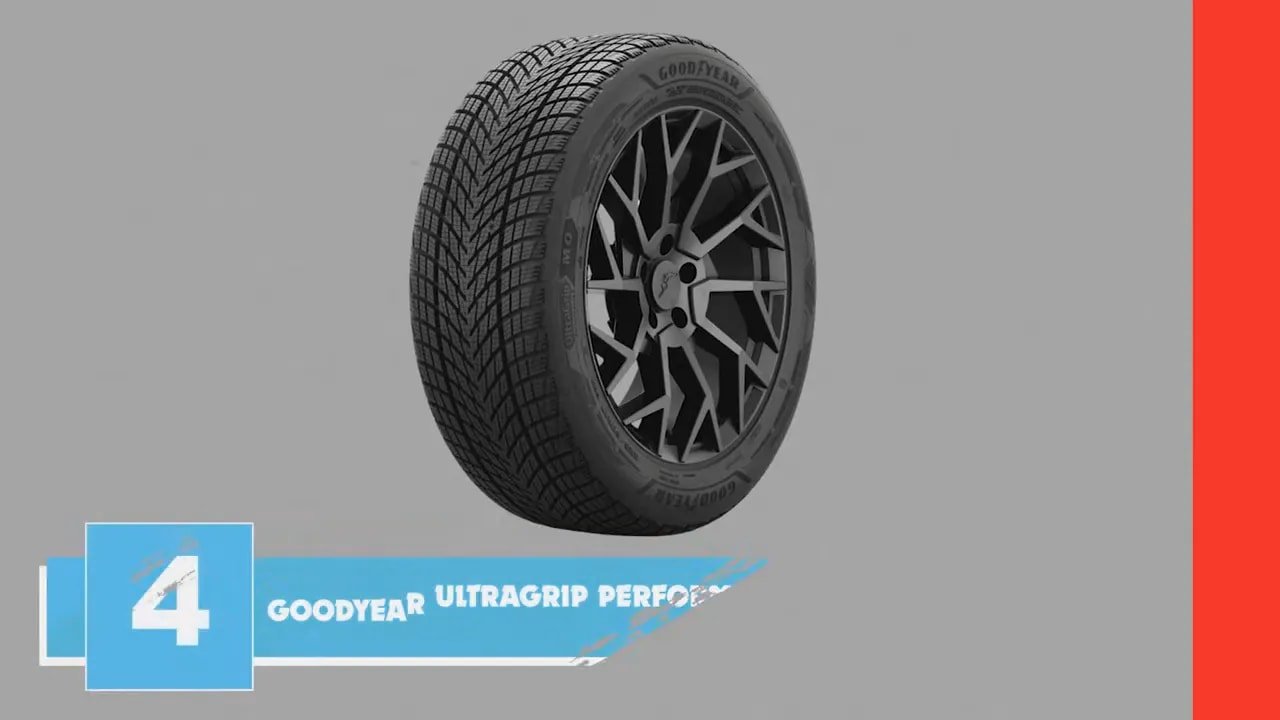
4) Goodyear UltraGrip Performance 3
Best for: wet-road confidence in cold temperatures.
Why it stands out: frequently emphasized for strong wet braking and wet handling, including performance near freezing. It also delivers solid all-around winter capability in dry and snowy conditions. On pure ice or tightly packed snow, it may not match the very top models.
Shop: Goodyear UltraGrip Performance 3 on Amazon
3) Bridgestone Blizzak LM005
Best for: mixed winters with a heavy emphasis on wet slush and confident braking.
Why it stands out: strong wet braking and wet handling reputation, plus proven snow capability rather than behaving like a “rain-only” winter tire. Some trade-offs may include longer dry braking distances compared with the absolute best dry performers in the class.
Shop: Bridgestone Blizzak LM005 on Amazon
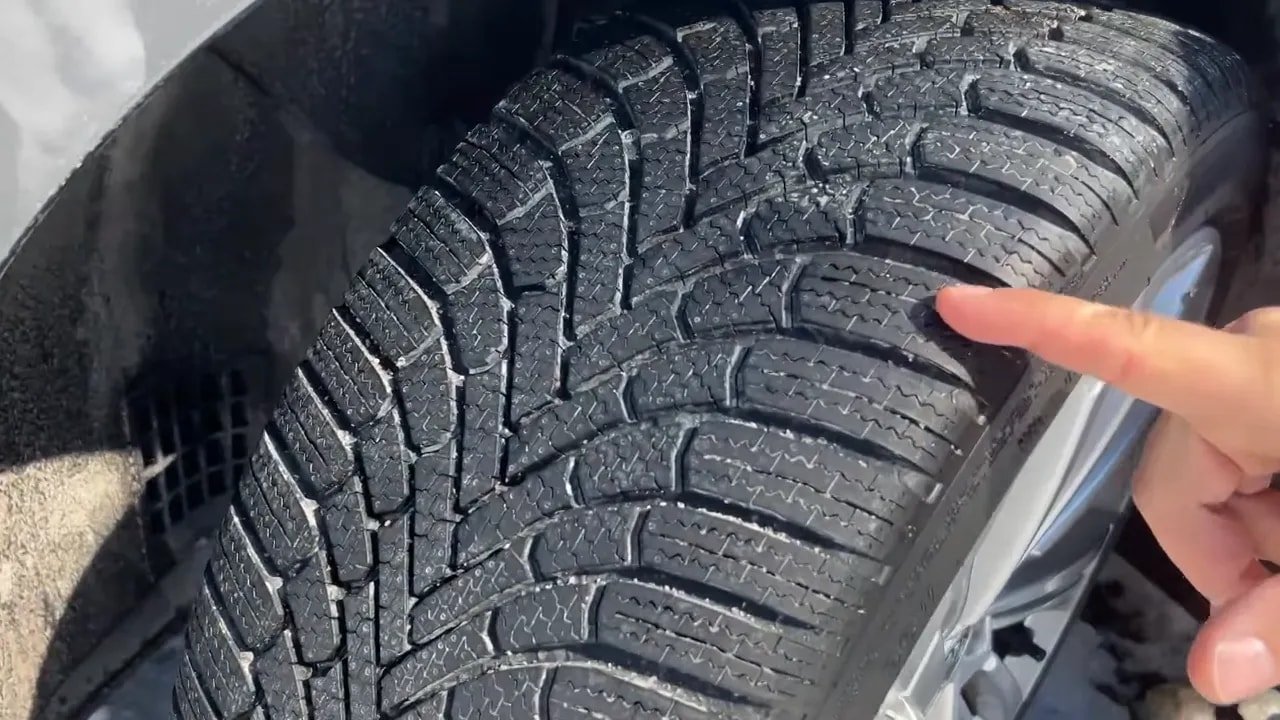
2) Pirelli P Zero Winter 2
Best for: sports cars and performance sedans where winter grip needs to coexist with sharp steering.
Why it stands out: strong results for snow braking, traction, and handling, along with confident grip on clear roads. Many drivers like the predictable, sporty feel in cold wet conditions. Rolling resistance may be slightly higher than some rivals, which can affect fuel economy a bit.
Shop: Pirelli P Zero Winter 2 on Amazon
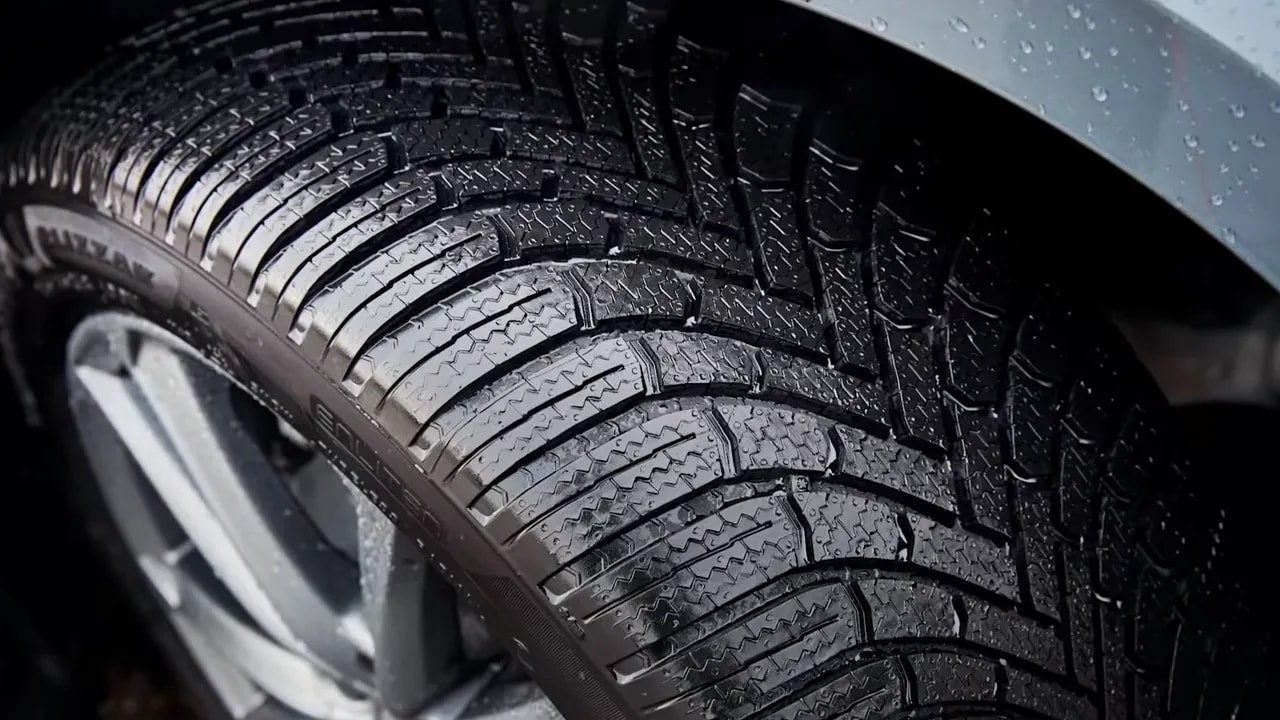
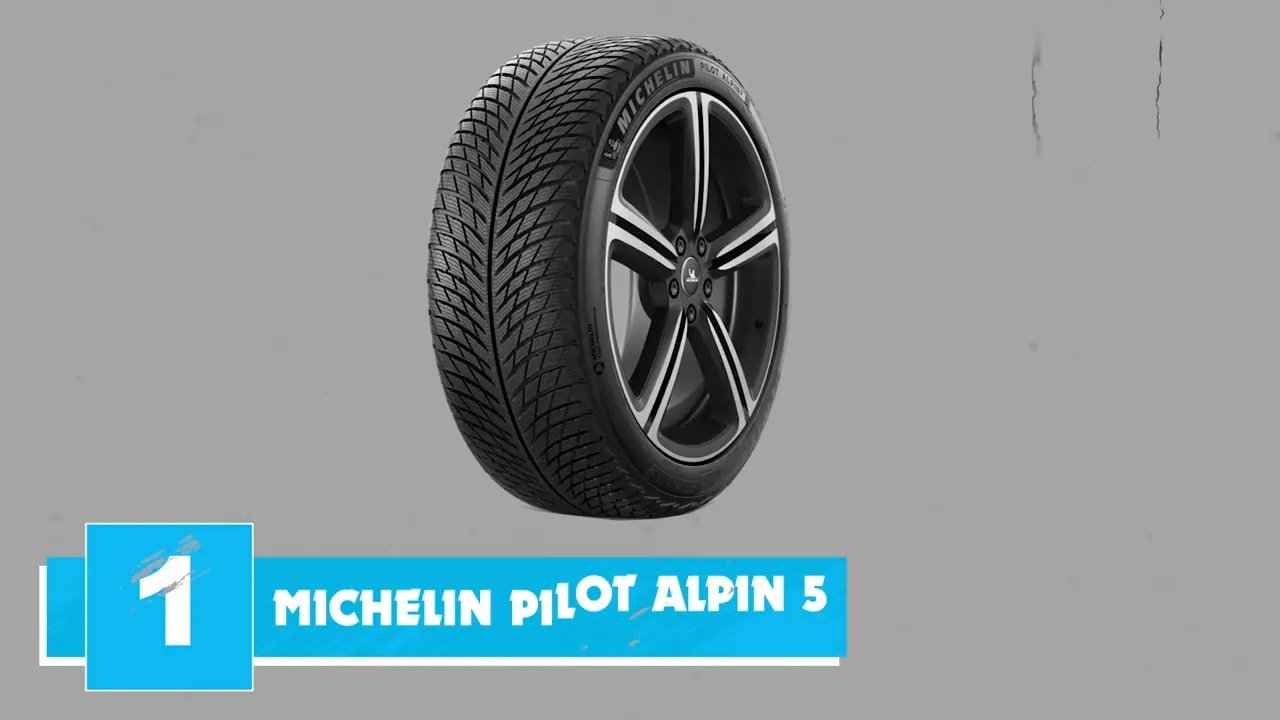
1) Michelin Pilot Alpin 5
Best for: drivers who want the most complete UHP winter package across dry, wet, snow, and ice.
Why it stands out: a benchmark tire in its class for balanced performance. It is commonly praised for predictable handling, strong braking on dry and wet pavement, confident traction on snow, and improved behavior on icy roads compared with many UHP competitors. It is also known for maintaining performance characteristics over time.
Shop: Michelin Pilot Alpin 5 on Amazon
📋 Quick comparison: pick by your weather
If you want a fast decision, use this guide.
- Most wet and slush (storms, puddles, hydroplaning concerns): Goodyear UltraGrip Performance 3, Bridgestone Blizzak LM005, Michelin Pilot Alpin 5
- Most packed snow and frequent slippery winter roads: Dunlop Winter Sport 5, Vredestein Wintrac Pro, Michelin Pilot Alpin 5
- Want comfort plus dependable winter traction: Continental WinterContact TS 870 P, Michelin Pilot Alpin 5
- Sports-car steering feel with serious winter grip: Pirelli P Zero Winter 2, Michelin Pilot Alpin 5
⚠️ Common mistakes when buying UHP winter tires
- Choosing based on brand only. Always prioritize the exact size, load index, and speed rating required by your vehicle.
- Ignoring ice vs. snow differences. Many tires excel on snow and wet slush but can vary on hard ice.
- Waiting too late to install. Winter tires perform best when temperatures drop, not just after the first snowfall.
- Running mismatched tires. For best handling and braking consistency, use the same model on the same axle (and often all four corners).
- Overlooking rolling resistance and ride comfort. Even high-performing tires can vary in noise, comfort, and fuel economy.
🧰 Installation and ownership tips for best results
When to switch
A practical rule is to install winter tires when temperatures consistently drop near the tire manufacturer’s winter-performance threshold. If you wait for visible snow, you may lose early-season grip.
Break-in and traction habits
- Allow a short break-in period after installation for optimal grip.
- In the first days, drive smoothly and avoid aggressive throttle and hard braking while the tires settle.
Maintenance
- Keep tire pressure within the recommended range for winter driving.
- Rotate on schedule when compatible with your vehicle and tire wear pattern.
- Check tread depth and replace when wear affects winter traction.
💬 FAQ about the best UHP winter tires
Are UHP winter tires worth it compared with regular winter tires?
UHP winter tires are worth it if you drive a performance-oriented vehicle and value steering precision, predictable handling, and strong braking in mixed cold conditions. If your priority is maximum snow traction and lower cost, a less performance-focused winter model may be more cost-effective.
What is more important for winter safety: tread design or the rubber compound?
Both matter. The tread design channels water and slush and provides biting edges, while the rubber compound stays flexible in cold temperatures for grip. A tire with excellent tread but a less effective cold compound may feel less secure when roads are near freezing.
Can I use one UHP winter tire and keep the other tires summer or all-season?
It is strongly not recommended. Mixing tire types can cause uneven traction and inconsistent handling. For stable braking and predictable control, use winter tires on the same axle and ideally all four corners.
How do I know which tire rating I need for my vehicle?
Use the tire size and ratings listed in your owner’s manual or on the vehicle’s door placard. Match the load index and speed rating requirements, and verify the tire size fits your wheel and brake clearance.
Will a better UHP winter tire improve braking on ice?
A top tire can improve confidence on ice, but no winter tire can fully eliminate the physics of ice. The biggest gains come from choosing a tire designed for ice performance and maintaining proper pressure, tread depth, and safe driving habits.
✅ Takeaway: choose the UHP winter tire that matches your winter
If you want one recommendation for maximum overall capability in the UHP winter category, the Michelin Pilot Alpin 5 is the most well-rounded option. For wet and slush-heavy winters, consider the Goodyear UltraGrip Performance 3 or Bridgestone Blizzak LM005. For snowy-road traction with a sporty feel, the Vredestein Wintrac Pro, Dunlop Winter Sport 5, or Pirelli P Zero Winter 2 are strong contenders. For comfort and stability across mixed weather, Continental WinterContact TS 870 P is a reliable choice.
Next step: pick your exact tire size, then compare each option’s fitment and pricing for your vehicle before making a final purchase.

Related Articles
Best All-Terrain Tires for Trucks (2026): Top 6 Picks for Road and Off-Road
All-terrain (A/T) tires are the compromise that many truck owners actually want: confident traction on pavement, plus durability for gravel, mud, and rough trails.…
Read More
Best All-Terrain Tires for Low Road Noise (2025): Quiet Picks That Still Tackle Dirt
All-terrain tires are built for more than paved roads. The tradeoff is often louder driving. If road noise is your top concern, the good…
Read More
Best All-Terrain Tires for Highway Driving (2026): Top Picks for Quiet, Safe Performance
All-terrain tires are built to handle more than pavement, but most drivers still want predictable handling, good wet braking, and reasonable road noise on…
Read More