Best Studded Winter Tires (2026): The Only 6 Worth Considering
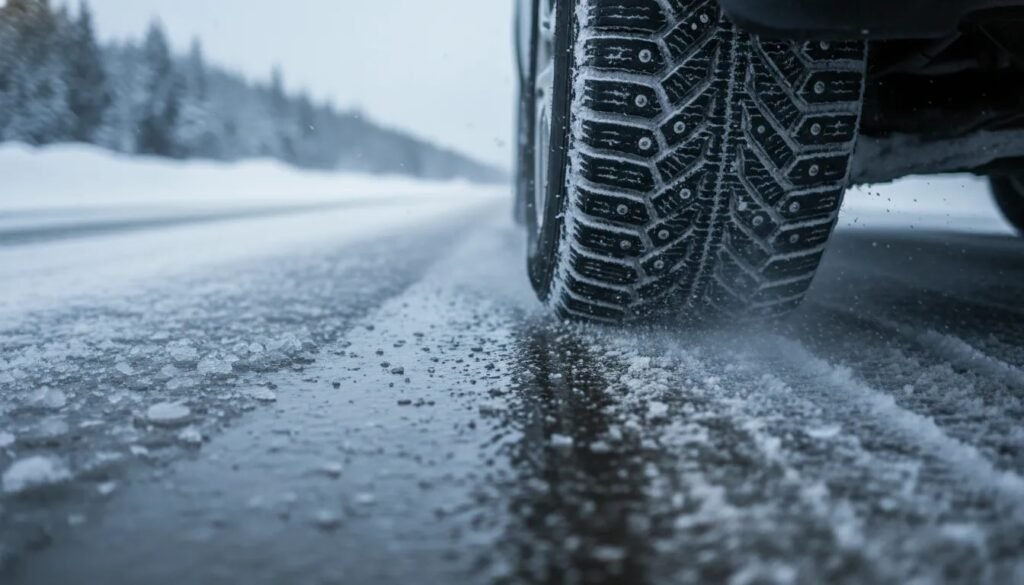
Studded winter tires are built for one job: improving traction on ice and hard-packed snow where regular winter tires can struggle. If you drive in freezing rain conditions, on glare ice, or on routes that stay icy after plowing, the right set of studs can make a measurable difference in braking and control.
This guide ranks six studded winter tires that are popular choices for extreme winter driving, and it explains what each model does best, where it may fall short, and who should buy it.
🧊 What “best studded winter tire” really means
When people search for the best studded winter tires, they usually care about performance under harsh conditions. The most important factors are:
- Ice braking and stopping distance (glare ice and packed ice)
- Cornering control on ice (predictable steering response)
- Snow acceleration (power delivery in deep or compacted snow)
- Wet and slushy performance (standing water, slush puddles)
- Noise and comfort (most studded tires are louder than non-studded winters)
- Stud durability (how well the studs stay seated over time)
🧠 Quick buying framework (use this before choosing)
Use this simple checklist to match a tire to your winter driving:
- Mostly glare ice and hard-packed snow: prioritize ice braking and control.
- Lots of plowed roads and mixed winter weather: balance ice grip with comfort and wet/snow handling.
- Deep snow and hills: prioritize acceleration and grip that can “bite” through snow.
- You commute on highways: consider noise levels and stability at speed.
- You want long-term performance: prioritize tread and stud retention claims and customer feedback patterns.
🏆 The best studded winter tires (top 6)
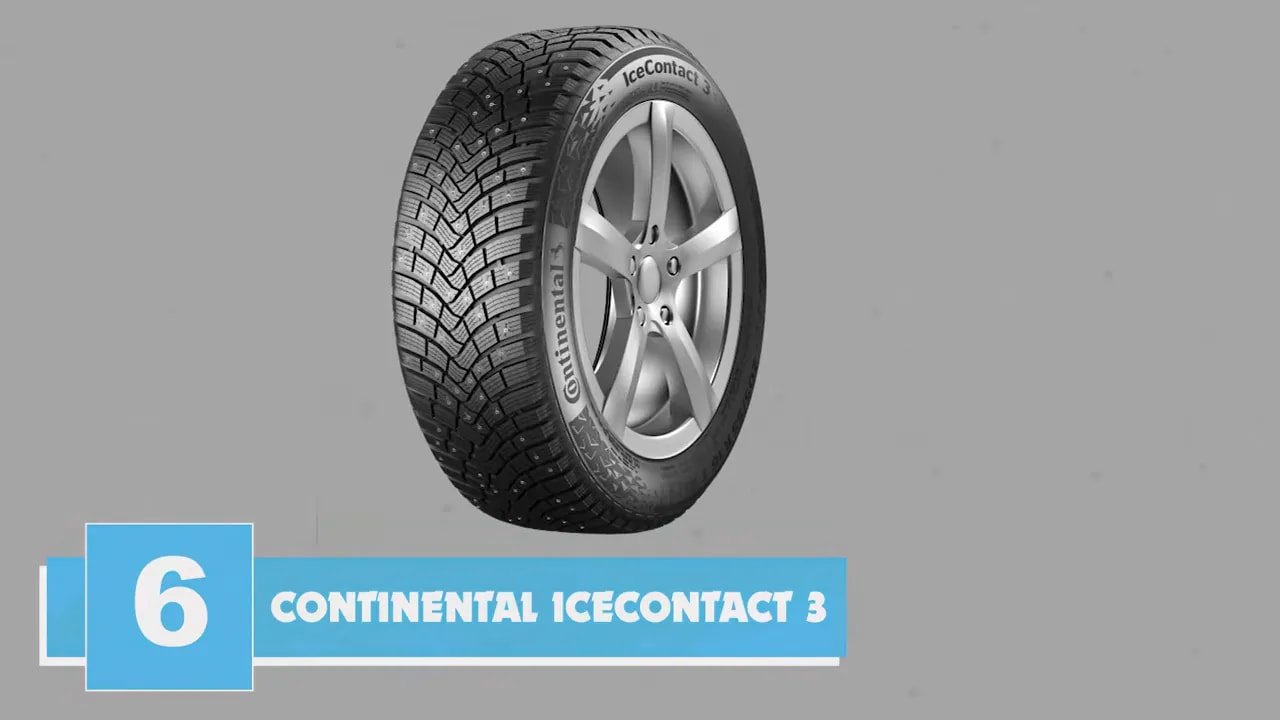
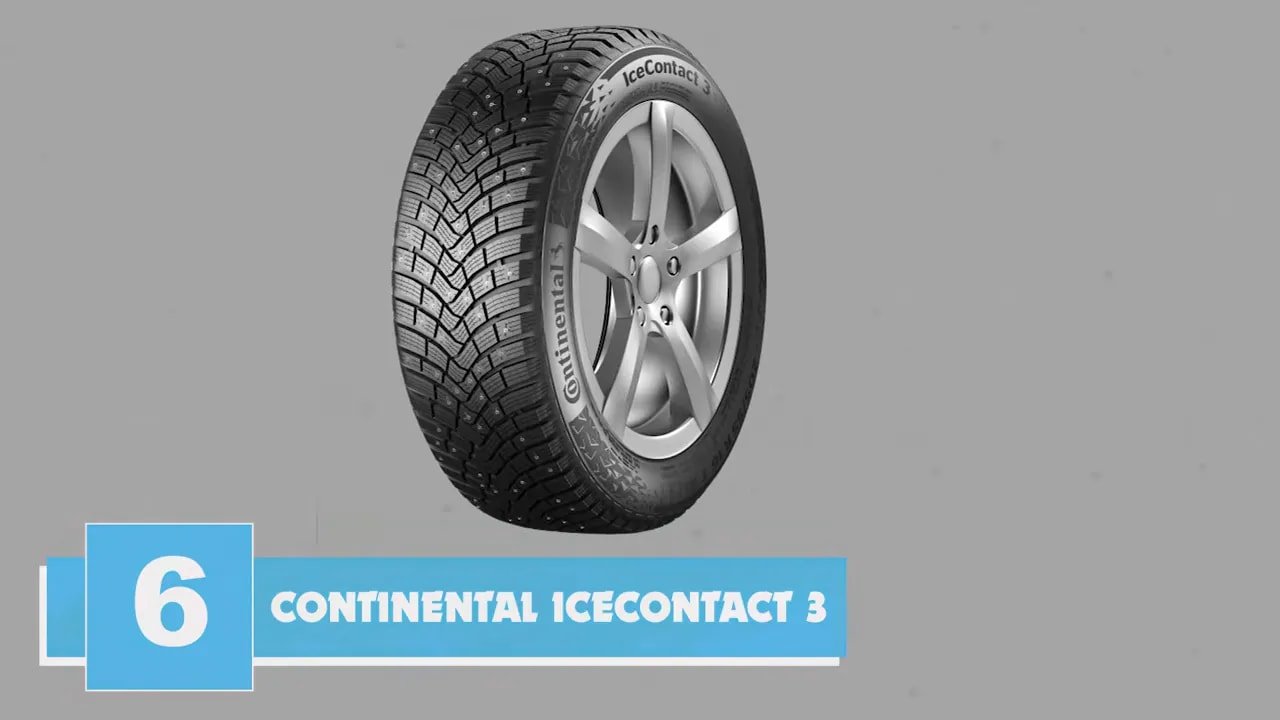
6) Continental IceContact 3
Best for: quieter rides and confident handling on plowed roads and mixed winter surfaces.
Why it stands out: Designed for comfort with reduced stud noise, including a stud setup intended to limit the typical harsh hum of studded tires. It aims to feel stable and predictable on cold dry and wet surfaces.
Where to be careful: If your driving is dominated by pure ice and you need maximum ice-breaking performance, this model may not be the top choice.
Buy (Amazon): Continental IceContact 3
Shopping notes: Check available sizes and pricing on the product page. Stock and options can vary by tire size.
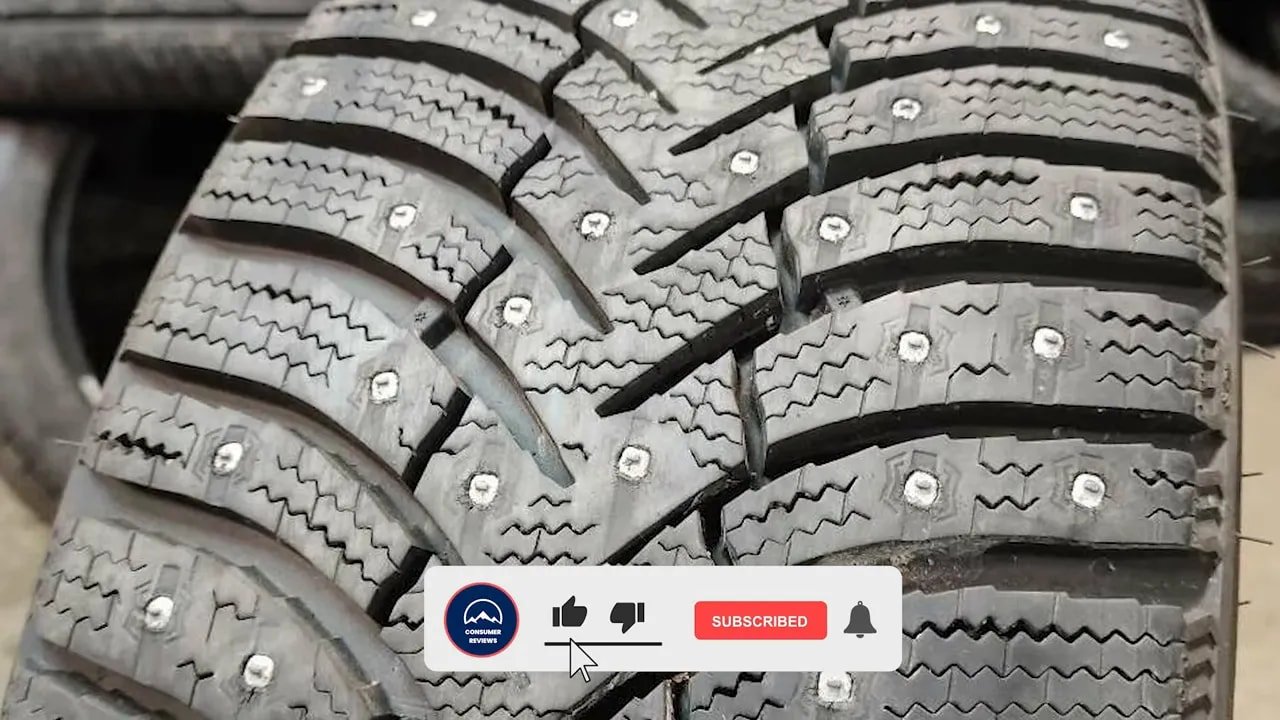
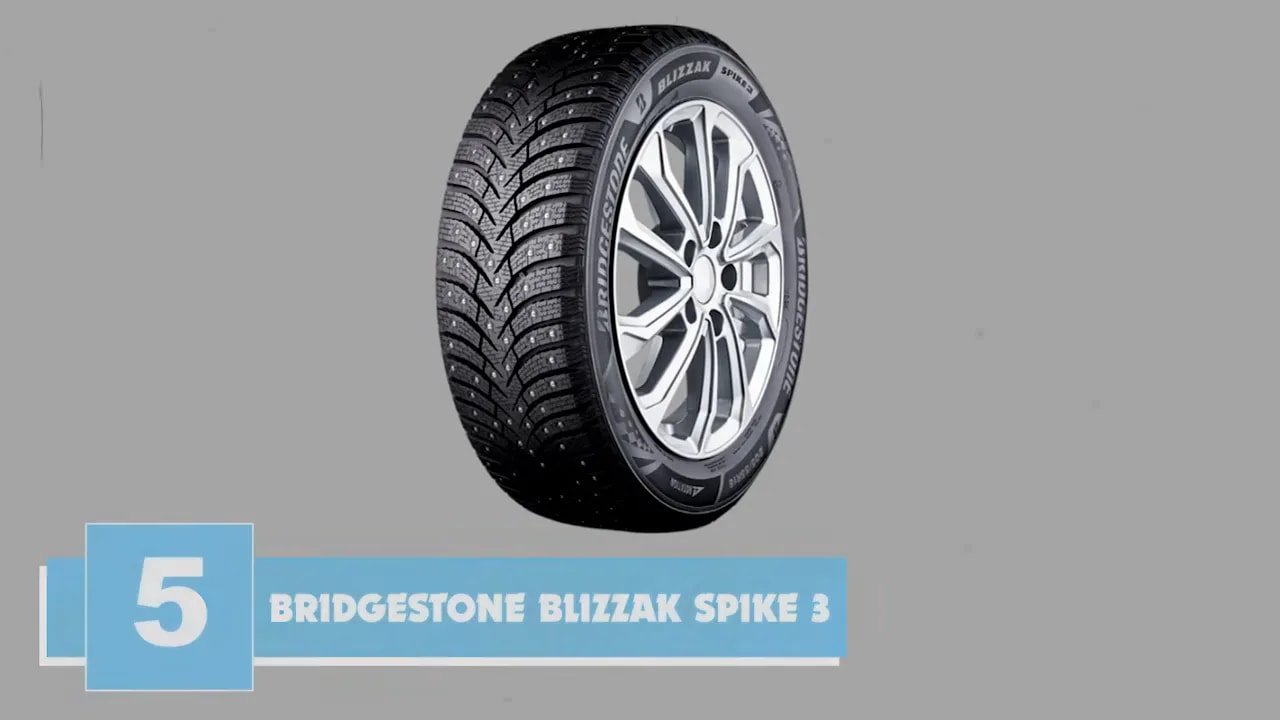
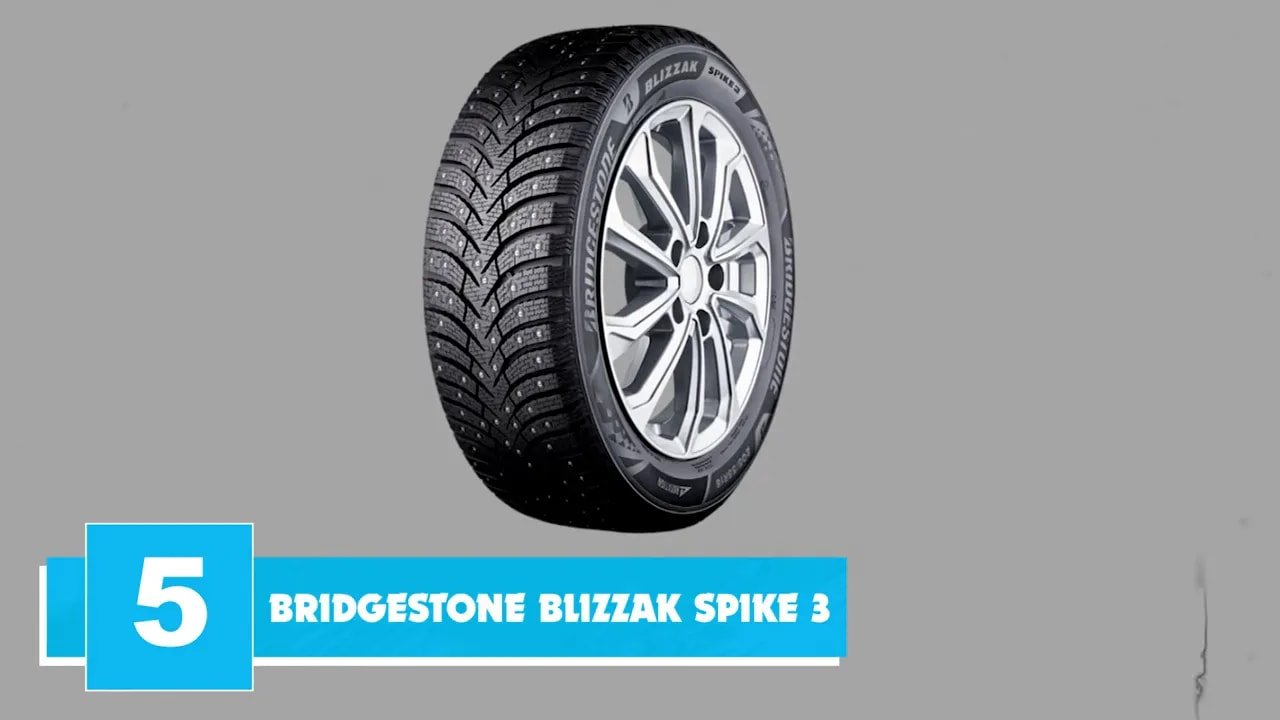
5) Bridgestone Blizzak Spike 3
Best for: drivers who want top-tier ice grip and strong traction when roads get extremely slippery.
Why it stands out: Built specifically to grip ice, helping with stopping and maintaining stability during turns on frozen surfaces. It is also designed to perform well when conditions shift to hard-packed snow or thick ice.
Where to be careful: Expect higher noise typical of studded tires, and some drivers report reduced comfort on smooth or wet pavement. There can also be concerns about stud retention over time in some cases.
Buy (Amazon): Bridgestone Blizzak Spike 3
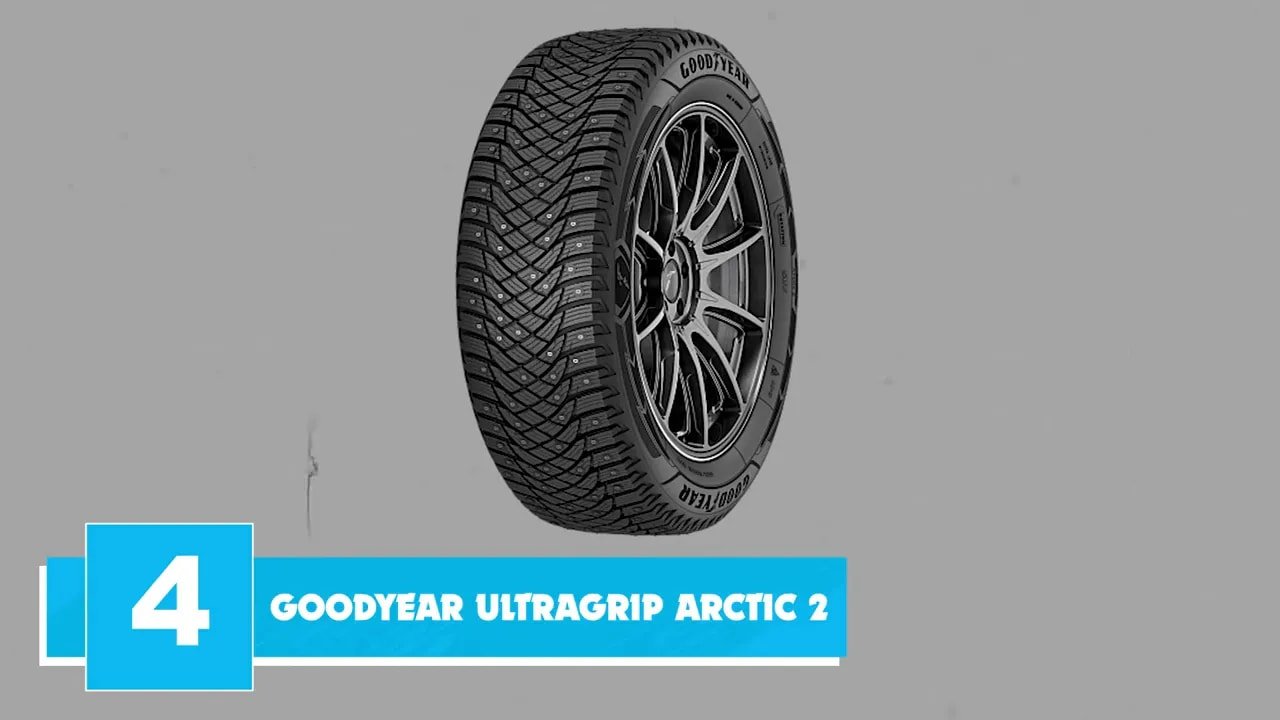
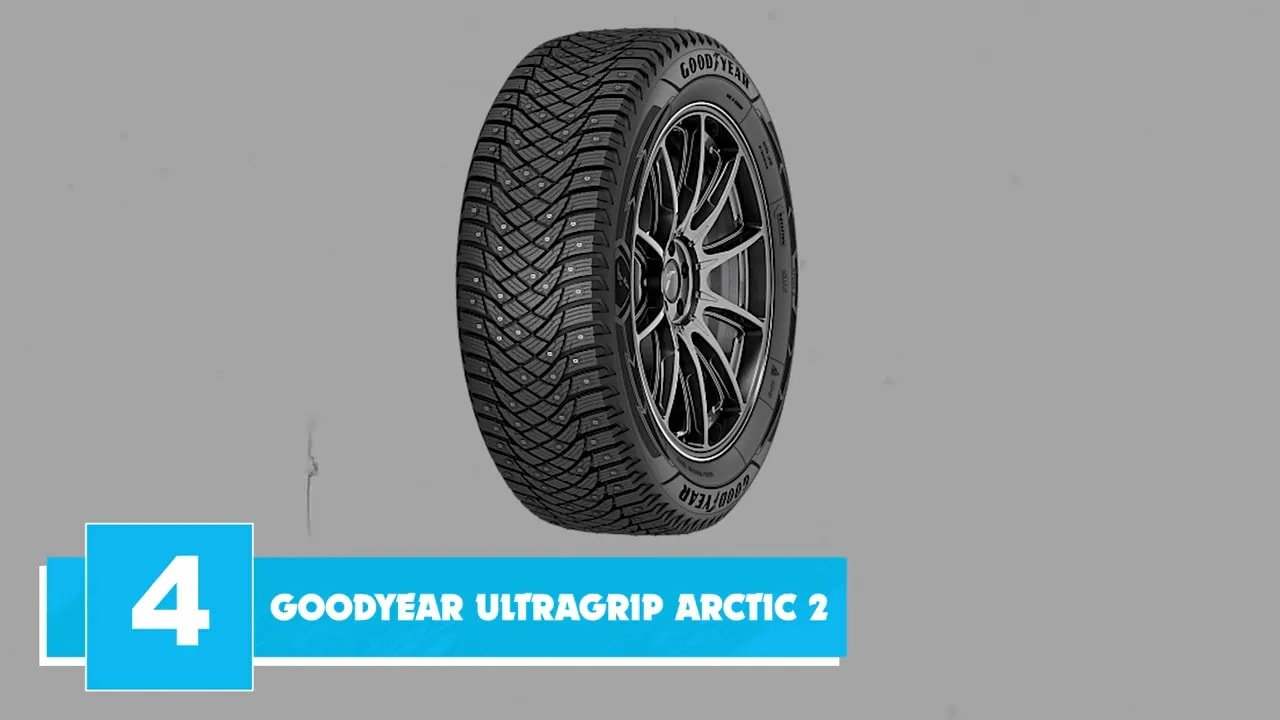
4) Goodyear UltraGrip Arctic 2
Best for: an all-around studded winter tire that is strong across ice, snow, wet roads, and even dry pavement.
Why it stands out: Often selected by drivers who want balanced performance instead of a single-purpose “ice only” tire. It is also known for being relatively quiet for a studded option and for stable behavior in deep snow where traction matters for acceleration.
Where to be careful: During hard cornering, steering response may feel a bit less sharp compared with sharper-handling competitors.
Buy (Amazon): Goodyear UltraGrip Arctic 2
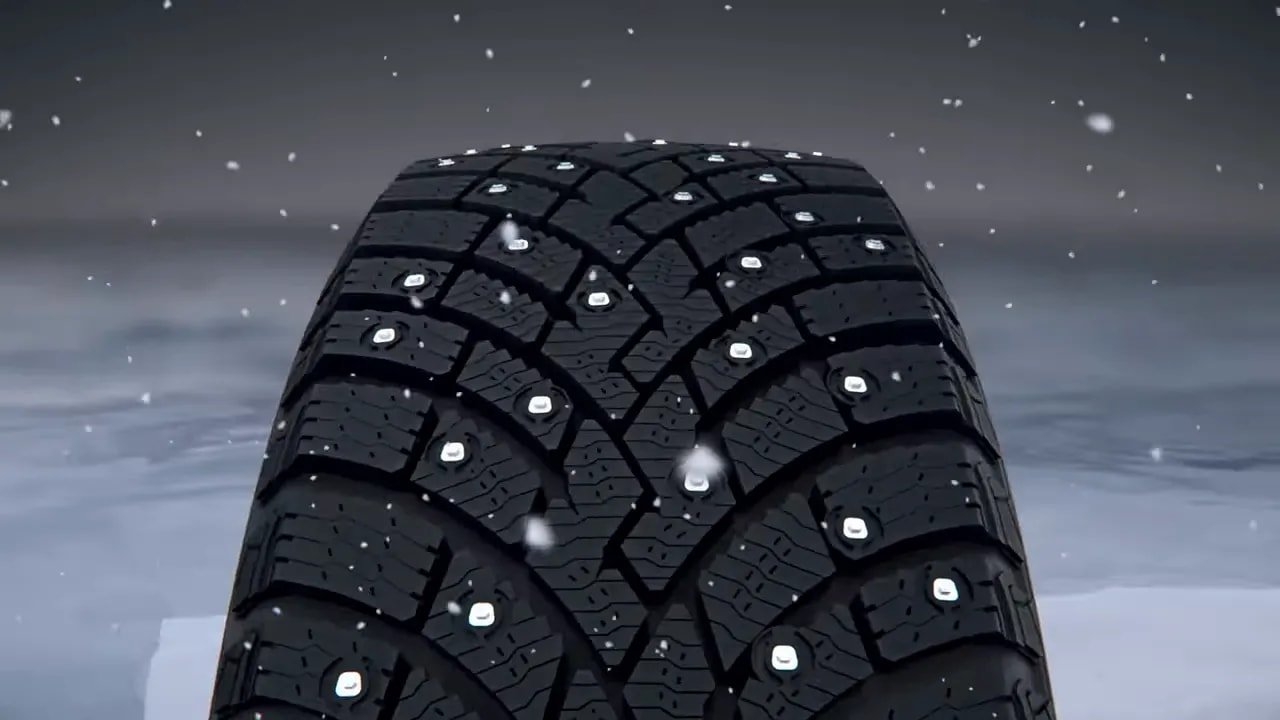
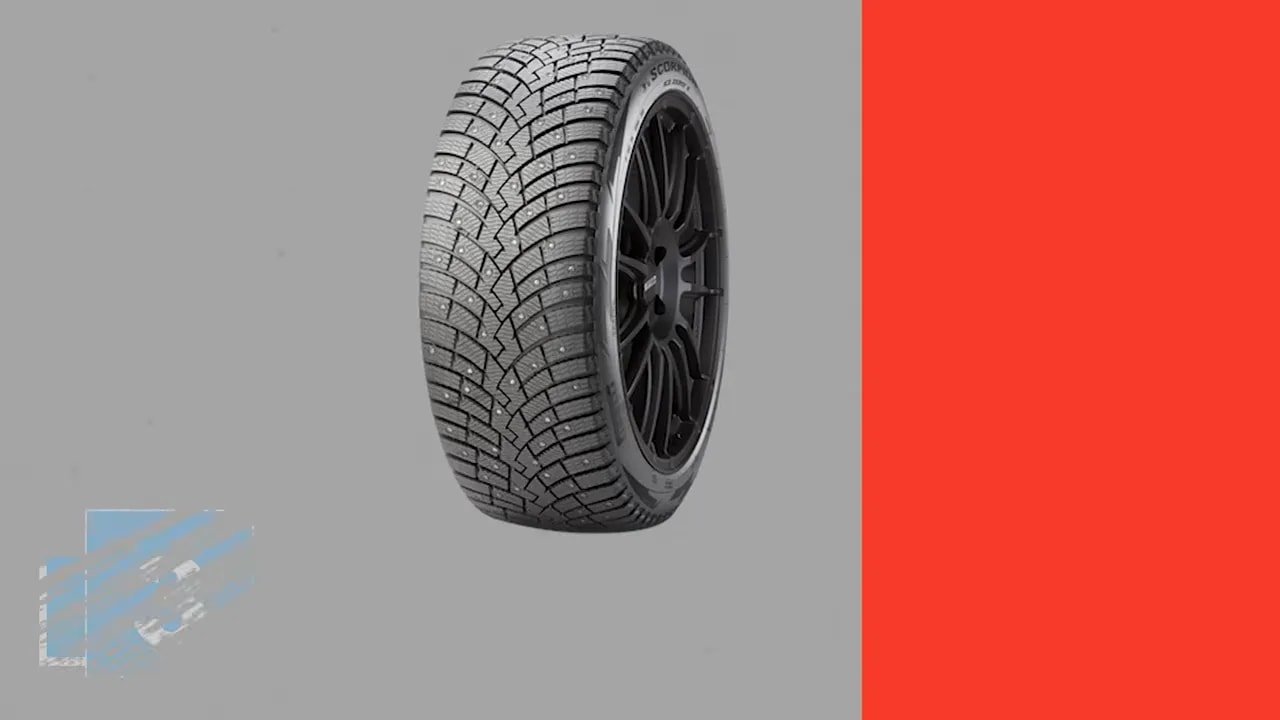
3) Pirelli Ice Zero 2
Best for: drivers who want a comfort-focused studded tire without giving up serious winter performance.
Why it stands out: Strong winter grip with a design goal of keeping stud noise and vibration lower than many studded alternatives. It aims to provide confident braking and acceleration on ice and packed snow, with good behavior in wet and slushy conditions.
Where to be careful: Its ice performance may be slightly behind the absolute best ice-focused options, though differences can be small depending on conditions.
Buy (Amazon): Pirelli Ice Zero 2
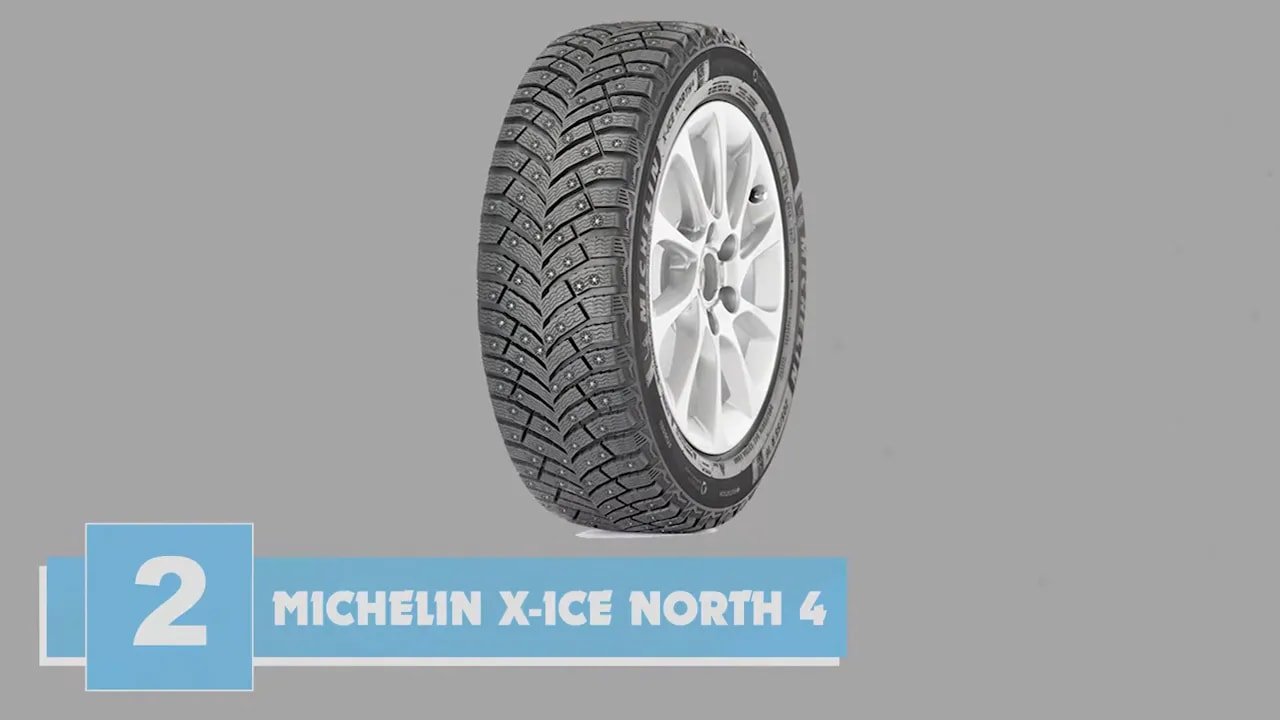
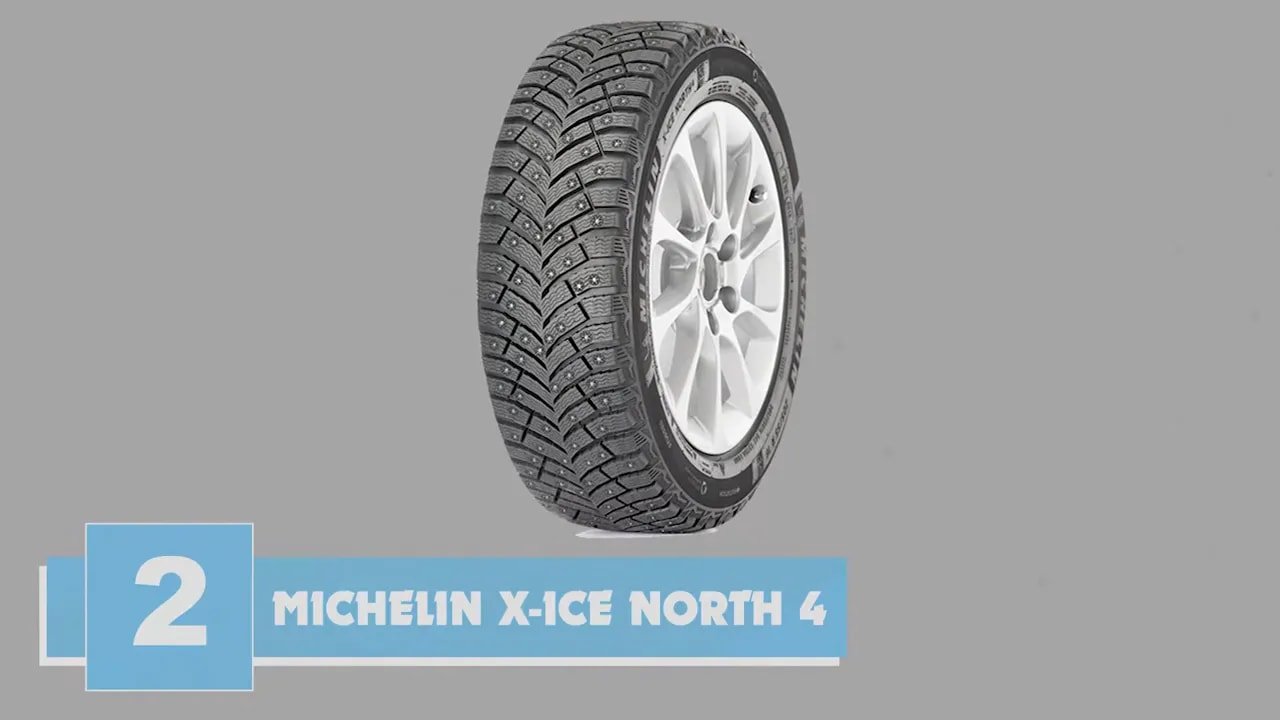
2) Michelin X-Ice North 4
Best for: strong winter control with a focus on smooth, predictable handling.
Why it stands out: Designed for traction on ice and snow, with a reputation for predictable behavior and comfort. It tends to feel stable in corners and provides controlled handling traits that many drivers find easier to manage at the limit.
Where to be careful: Cornering grip on ice may be slightly less than the top ice-braking leader, but it is a common trade for a smoother daily driving feel, especially on wet and dry roads.
Buy (Amazon): Michelin X-Ice North 4
1) Nokian Hakkapeliitta 10
Best for: the most severe ice and deep winter conditions where maximum traction and control matter most.
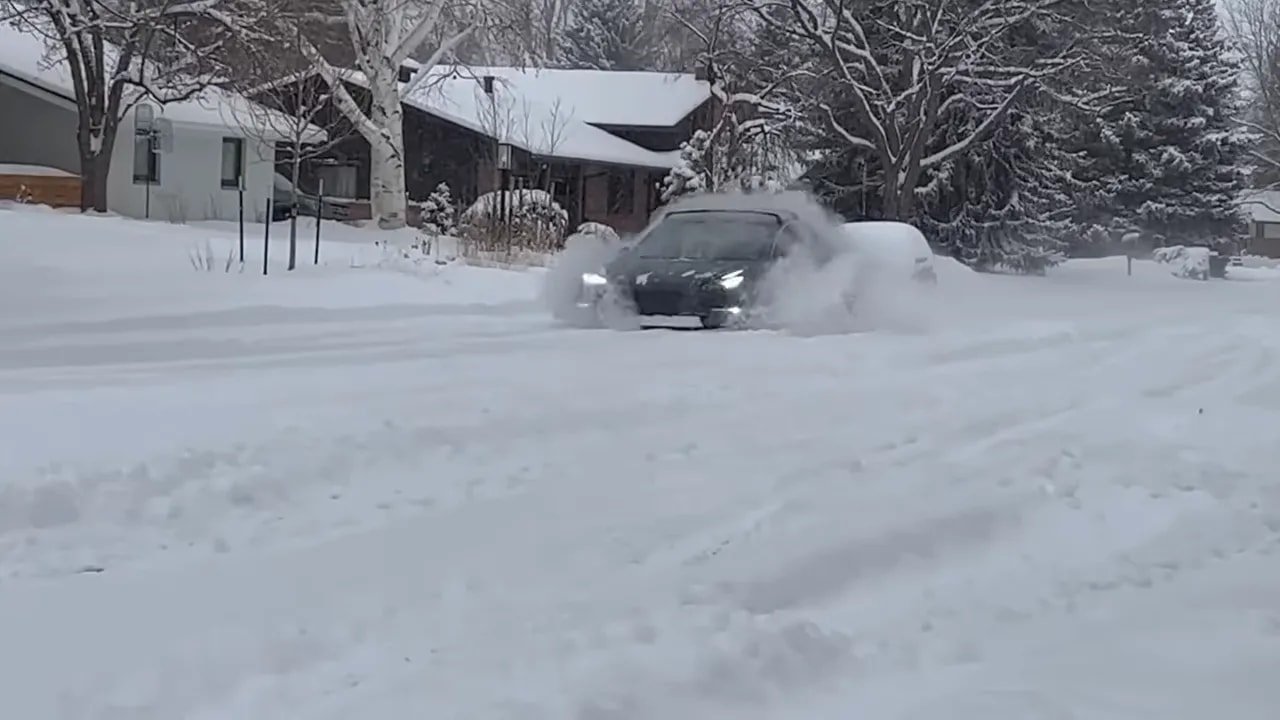
Why it stands out: Widely considered an elite studded winter tire, designed specifically for extreme ice and snow realities. It features a dual-stud concept intended to improve both braking and cornering stability on slippery surfaces. On glare ice, it is built to stop extremely fast compared with other studded options.
Where to be careful: Noise can be slightly higher than some quieter studded models, and treadwear may be more average if the compound prioritizes ice traction.
Buy (Amazon): Nokian Hakkapeliitta 10
Tip: Select the exact size recommended by your vehicle’s door-jamb or owner’s manual for best fit and performance.
🔧 How to get the best performance from studded tires
Even excellent tires can underperform if setup or usage is off. Follow these practical tips:
- Use the correct size and pressure: Confirm your door-jamb tire size and keep pressures within the manufacturer’s range.
- Consider a break-in period: New studs need time to seat. Avoid aggressive launches and hard cornering for the first part of the season if your tire guide recommends it.
- Align and balance matters: Poor alignment can reduce contact patch performance and accelerate wear.
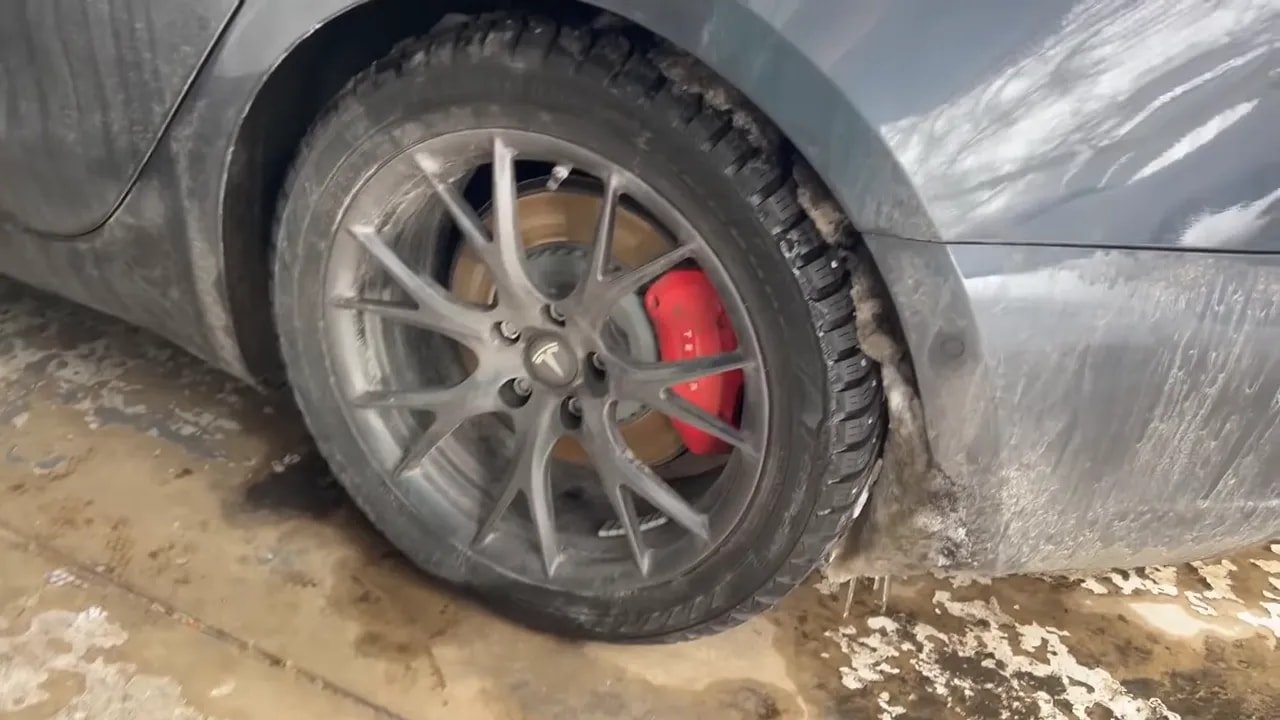
- Be mindful of warm-weather use: Studded tires are not ideal for long stretches of warm, dry conditions because they can wear faster and ride rougher.
- Drive intentionally on ice: Studs improve grip, but tires still cannot defy physics. Brake earlier than you would on dry pavement.
⚠️ Common mistakes when buying or using studded winter tires
- Choosing based on “loudest means safest.” Noise is not a direct measure of stopping power. Focus on ice braking and control instead.
- Ignoring your road type. If you mostly drive on plowed roads with occasional ice patches, a balanced tire may be a better fit than an ice specialist.
- Underestimating noise and comfort. If you commute, cabin comfort matters. Look for models with reduced noise design.
- Skipping stud durability considerations. If you drive many winter miles, stud retention and tread wear become critical over multiple seasons.
- Mixing tire types or mismatched tread wear. For best control, keep tires consistent on the axle and ensure even wear.
📌 Which tire should you choose?
Here are quick “best match” picks based on typical winter driving needs:
- Maximum ice braking and control: Nokian Hakkapeliitta 10
- Comfort plus strong winter traction: Michelin X-Ice North 4 or Pirelli Ice Zero 2
- All-around performance across ice, snow, wet, and dry: Goodyear UltraGrip Arctic 2
- Ice-focused grip with extreme winter confidence: Bridgestone Blizzak Spike 3
- Quieter studded option for mixed winter roads: Continental IceContact 3
❓ FAQ about studded winter tires
Are studded winter tires worth it?
They are usually worth it if you regularly face glare ice, hard-packed snow, or freezing rain conditions where traction matters most. If your roads are reliably plowed and rarely freeze hard, non-studded winter tires can provide better comfort and lower noise while still delivering strong winter performance.
How loud are studded winter tires?
Studded tires tend to be louder than non-studded winter tires. However, noise levels vary by model. Some designs focus on reducing vibration and stud noise, which can make day-to-day commuting less tiring.
Do studded tires reduce stopping distance on ice?
Yes, in many cases. Studs provide additional mechanical grip on ice, which can improve braking and steering control on frozen surfaces. Results vary by tire design and road condition, so the “best” model depends on how icy your routes typically are.
Will studded tires wear out faster?
They can wear faster when used on warm, dry roads for extended periods. Many drivers treat them as seasonal tires, using them during the coldest months to preserve tread life and stud effectiveness.
How long do studded tires last?
Longevity depends on your climate, driving style, alignment, and how much time you spend on non-ice surfaces. Tires with stronger stud retention designs and consistent tread wear patterns tend to last longer across winters.
✅ Takeaway
If your winter driving includes glare ice, packed ice, and deep or stubborn snow, the Nokian Hakkapeliitta 10 is the strongest “maximum grip” choice from this short list. If you prefer a more balanced ride with reduced noise and predictable handling, consider the Michelin X-Ice North 4, Goodyear UltraGrip Arctic 2, or Pirelli Ice Zero 2.
To choose confidently, match the tire to your roads (ice level, plowing reliability, and wet/slush presence) and buy the correct size for your vehicle.
Amazon links (quick access)
- Continental IceContact 3
- Bridgestone Blizzak Spike 3
- Goodyear UltraGrip Arctic 2
- Pirelli Ice Zero 2
- Michelin X-Ice North 4
- Nokian Hakkapeliitta 10
🧾 Product search results helpers
Continental IceContact 3 (Amazon):
Bridgestone Blizzak Spike 3 (Amazon):
Goodyear UltraGrip Arctic 2 (Amazon):
Pirelli Ice Zero 2 (Amazon):
Michelin X-Ice North 4 (Amazon):
Nokian Hakkapeliitta 10 (Amazon):

Related Articles
Best All-Terrain Tires for Trucks (2026): Top 6 Picks for Road and Off-Road
All-terrain (A/T) tires are the compromise that many truck owners actually want: confident traction on pavement, plus durability for gravel, mud, and rough trails.…
Read More
Best All-Terrain Tires for Low Road Noise (2025): Quiet Picks That Still Tackle Dirt
All-terrain tires are built for more than paved roads. The tradeoff is often louder driving. If road noise is your top concern, the good…
Read More
Best All-Terrain Tires for Highway Driving (2026): Top Picks for Quiet, Safe Performance
All-terrain tires are built to handle more than pavement, but most drivers still want predictable handling, good wet braking, and reasonable road noise on…
Read More