Best All-Season Tires (2026): 7 Top Picks for Wet, Dry, and Light Snow
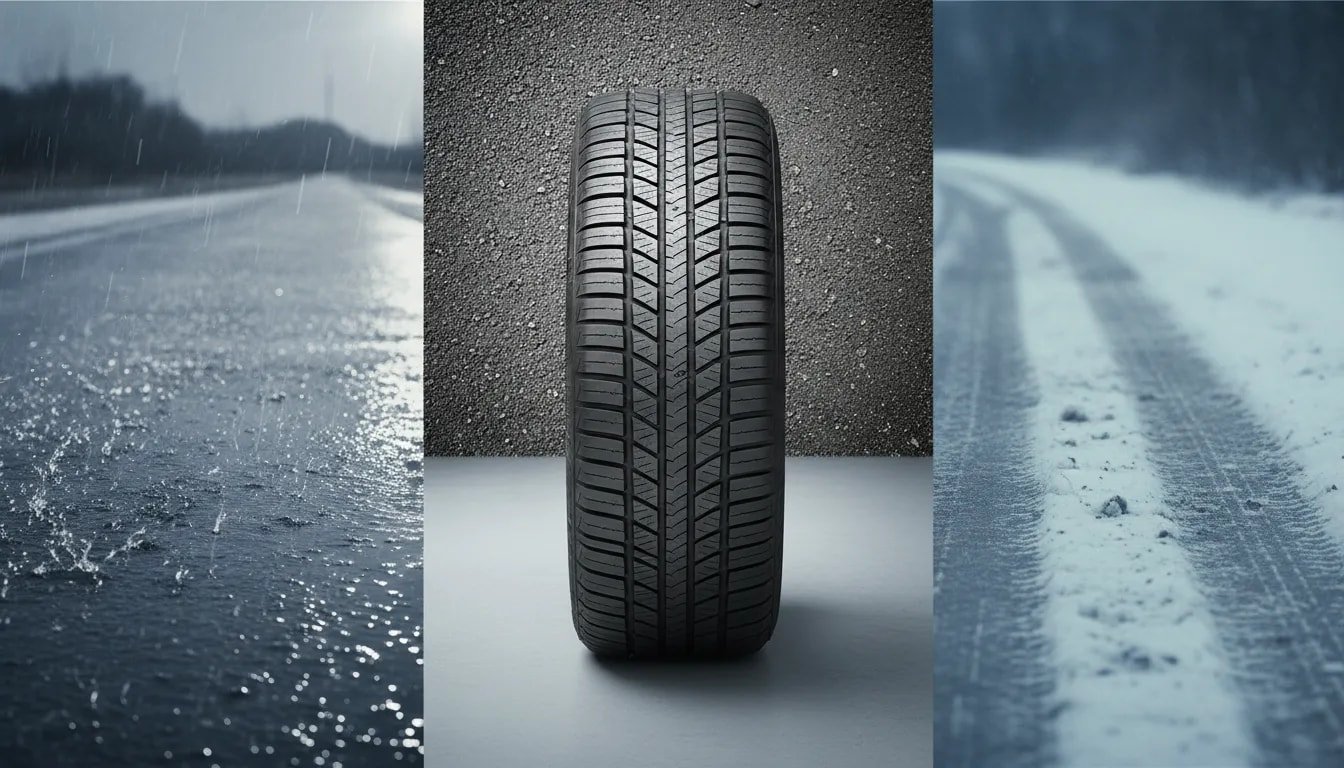
Choosing the right all-season tires is one of the easiest ways to improve safety, comfort, and year-round drivability. If you want reliable traction in rain, confident braking on dry pavement, and only need help with occasional snow, these 7 options are strong contenders.
This guide focuses on tires that fit typical driving needs in the United States. It also highlights the key trade-offs, since no tire is perfect in every condition.
✅ What makes an all-season tire “good”?
“All-season” is a broad category. A great all-season tire should balance these priorities:
- Wet traction and hydroplaning resistance (important because a large share of crashes happen on wet roads)
- Predictable handling in dry conditions (stable steering and braking)
- Comfort and low noise (especially on highway commutes)
- Long tread life (fewer replacements and lower cost per mile)
- Good-enough snow grip for occasional winter driving
One major detail: tires with the 3PMSF snowflake symbol generally perform better in cold weather and snow than standard all-seasons, though they are not a replacement for dedicated winter tires.
🧭 How to choose the right tire for your weather
Before picking a brand, sort your needs into a simple priority order:
1) How much snow do you actually get?
- Mostly rain and mild winters: a comfort or grand touring all-season is often the best choice.
- Occasional snow and cold snaps: look for a tire with 3PMSF.
- Frequent ice and deep snow: consider switching to true winter tires instead of relying on all-season tread.
2) Do you care more about comfort or steering feel?
- Comfort-first: touring tires usually ride quieter and smooth out bumps.
- Grip and response-first: performance-oriented all-seasons may feel sharper but can be firmer or noisier.
3) What vehicle type are you driving?
Wider SUVs and crossovers often need tires designed for that load and handling style. Similarly, EV and hybrid owners may prefer tires aimed at lower rolling resistance to support efficiency.
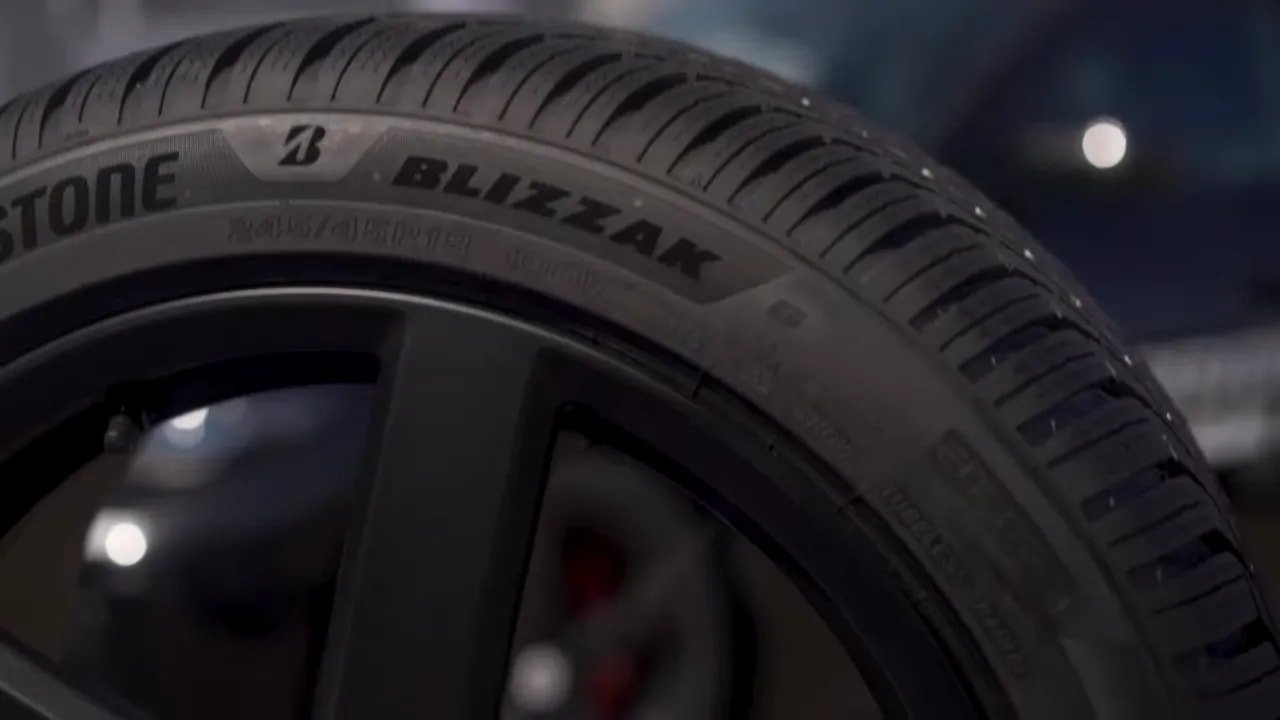
🏆 Best all-season tires to consider (7 top picks)
Below are 7 strong all-season choices, grouped by what they do best. Each section includes a “best for” profile and a practical buying note.
7. Yokohama AVID Ascend LX
Best for: quiet, comfortable commuting and long tread life on sedans, minivans, and smaller crossovers.
- Comfort and noise: designed for a calm ride.
- Wet grip: optimized tread features help in rain.
- Cold and light snow: includes the 3PMSF rating for improved winter traction.
- Longevity: strong warranty and treadwear focus.
Shop:
Yokohama AVID Ascend LX on Amazon
6. Bridgestone Turanza All Season 6
Best for: drivers who want excellent wet confidence with a premium touring feel.
- Wet braking: strong focus on stopping power on rain-slick pavement.
- Aquaplaning resistance: engineered to manage water better.
- Dry control: stable steering and dependable braking.
- Snow ability: capable in light conditions but not as winter-focused as 3PMSF all-weather models.
Shop:
Bridgestone Turanza All Season 6 on Amazon
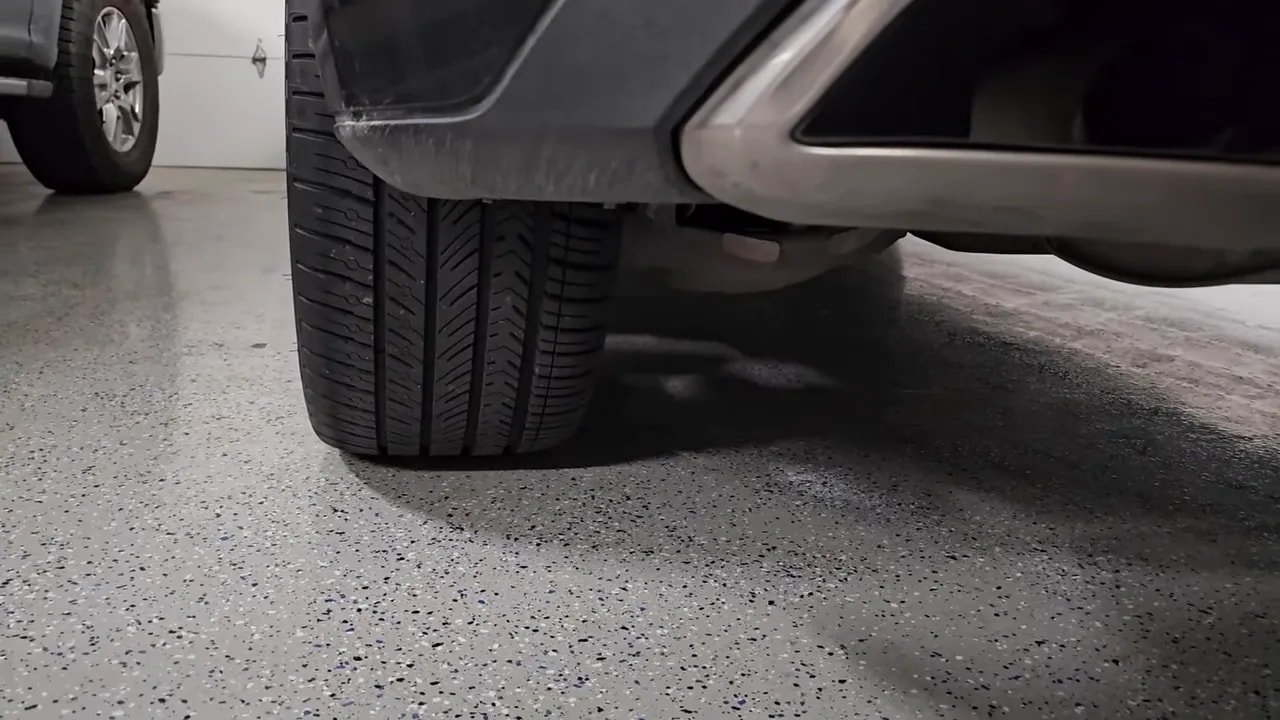
5. Michelin Pilot Sport All Season 4
Best for: people who want sharper handling and confident cornering feel on clear roads.
- Steering response: designed to feel precise and direct.
- Wet performance: generally strong grip for an all-season.
- Snow limitation: not aimed at snowy climates and does not carry the 3PMSF mark.
- Ride and noise: can feel firmer than long-wear touring tires.
Shop:
Michelin Pilot Sport All Season 4 on Amazon
4. Continental TrueContact Tour
Best for: balanced all-season performance with long life and efficiency-friendly design.
- All-around safety: stable and predictable in dry and wet conditions.
- Efficiency: lower rolling resistance can support fuel economy and EV range (where applicable).
- Light snow: performs better than many touring tires in colder weather.
- Comfort: typically quiet and composed, though it may feel slightly firm to some drivers.
Shop:
Continental TrueContact Tour on Amazon
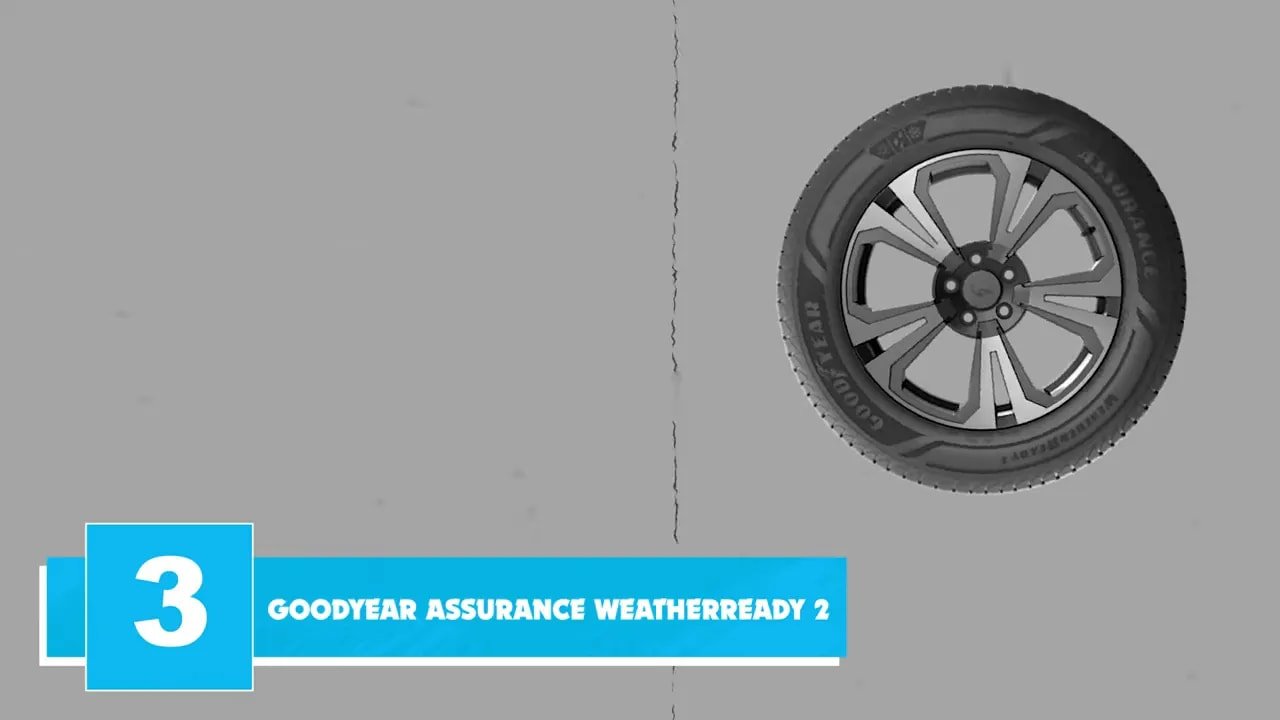
3. Goodyear Assurance WeatherReady 2
Best for: a true one-tire solution for drivers who regularly see rain plus real winter days.
- 3PMSF traction: tuned for snow grip compared with typical all-seasons.
- Wet stability: predictable steering and braking on slick roads.
- Dry manners: easy to drive and composed.
- Trade-offs: rolling resistance and price may be less ideal than the most budget-focused touring tires.
Shop:
Goodyear Assurance WeatherReady 2 on Amazon
2. Pirelli Cinturato All Season SF3
Best for: safety-first drivers who prioritize strong braking across conditions.
- Braking performance: a standout strength across dry, wet, and snow.
- Snow traction: carries the 3PMSF snowflake rating.
- Comfort and quiet: designed for reduced road noise on long drives.
- Fuel efficiency: rolling resistance may be higher than the most efficiency-optimized options.
Shop:
Pirelli Cinturato All Season SF3 on Amazon
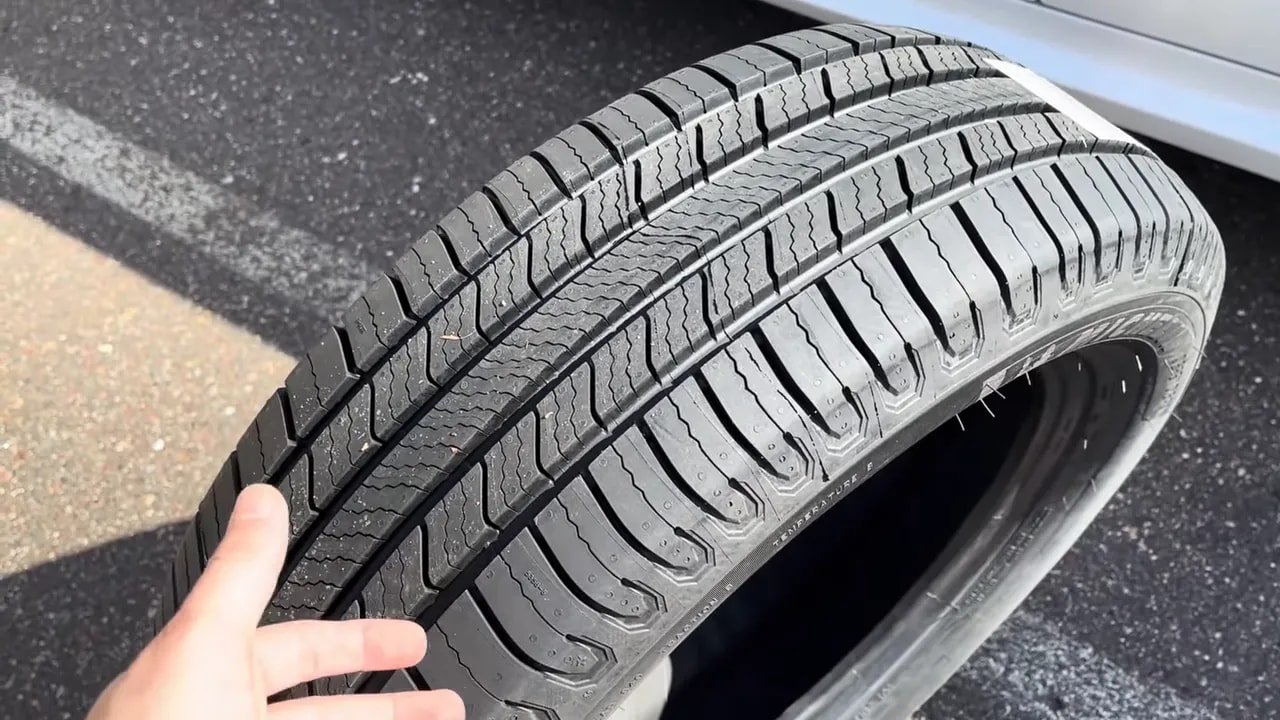
1. Michelin Defender2
Best for: the best “complete package” for most drivers who want long life, quiet comfort, and reliable all-season safety.
- Very long tread life: designed to last and reduce replacement frequency.
- Quiet ride: comfort-focused construction for daily driving.
- All-season grip: secure braking and predictable handling in rain and dry conditions.
- Snow expectations: good for light, occasional winter conditions, but not built to replace a true winter tire.
- Trade-off: not the sharpest handling option if you drive aggressively.
Shop:
Michelin Defender2 on Amazon
🧪 What to check before buying (so you do not waste money)
Even the best tire will not perform well if the fitment is wrong or the vehicle needs different specifications. Use this checklist:
- Match the tire size exactly to the driver-side door jamb or current tire sidewall (ex: 205/55R16).
- Confirm load index and speed rating meet or exceed factory requirements.
- Check for 3PMSF if snow matters. Standard all-seasons may be fine for cold temps, but not all are snow-capable.
- Plan for installation: proper mounting, balancing, and alignment can significantly affect ride and tire wear.
⚠️ Common mistakes people make with all-season tires
- Assuming “all-season” means “year-round in any winter.” It usually means “not summer-only,” not “best for ice and deep snow.”
- Choosing only on price. Cheap tires can lose traction faster, wear out sooner, or ride noisier.
- Ignoring treadwear and warranty terms. A slightly higher upfront cost can be cheaper per mile.
- Forgetting alignment and rotation. Uneven wear cuts tire life regardless of brand.
📌 Quick recommendation by driving style
- Longest life and quiet comfort: Michelin Defender2, Yokohama AVID Ascend LX
- Best wet confidence: Bridgestone Turanza All Season 6
- Sportier steering feel: Michelin Pilot Sport All Season 4
- Balanced touring with efficiency focus: Continental TrueContact Tour
- Snow-ready all-weather behavior (3PMSF): Goodyear Assurance WeatherReady 2, Pirelli Cinturato All Season SF3
❓ FAQ about best all-season tires
Are 3PMSF tires the same as winter tires?
How often should all-season tires be rotated?
Do all-season tires improve fuel economy?
Can I use all-season tires year-round in a cold climate?
What matters more, tread depth or tire age?
✅ Takeaway: choose based on your worst condition
If wet roads are your biggest concern, focus on wet braking and hydroplaning resistance. If occasional snow is common, prioritize tires with 3PMSF. If you want maximum value over time, long tread life and low noise are usually worth it.
For most drivers seeking the best overall combination of comfort, durability, and dependable all-season safety, the top pick here is Michelin Defender2.


Related Articles
Best All-Terrain Tires for Trucks (2026): Top 6 Picks for Road and Off-Road
All-terrain (A/T) tires are the compromise that many truck owners actually want: confident traction on pavement, plus durability for gravel, mud, and rough trails.…
Read More
Best All-Terrain Tires for Low Road Noise (2025): Quiet Picks That Still Tackle Dirt
All-terrain tires are built for more than paved roads. The tradeoff is often louder driving. If road noise is your top concern, the good…
Read More
Best All-Terrain Tires for Highway Driving (2026): Top Picks for Quiet, Safe Performance
All-terrain tires are built to handle more than pavement, but most drivers still want predictable handling, good wet braking, and reasonable road noise on…
Read More