
UTQG Rating Explained: Treadwear, Traction, Temp
UTQG stands for Uniform Tire Quality Grading, a DOT system that helps you compare tires by treadwear, traction, and temperature resistance. Treadwear is a relative score, with 100 as the reference and higher numbers suggesting longer life. Traction grades AA, A, B, and C show wet braking grip, and temperature grades A, B, and C show heat resistance. It won’t tell you everything, but it can sharpen your tire choice if you want more detail.
Key Takeaways
- UTQG is a DOT tire labeling system rating treadwear, traction, and temperature resistance for comparison shopping.
- Treadwear uses a three-digit number; higher numbers suggest longer expected wear versus the reference tire.
- Traction grades AA, A, B, and C show wet braking performance, with AA indicating the best traction.
- Temperature grades A, B, and C show heat resistance at highway speeds, with A indicating the highest resistance.
- UTQG ratings are comparative, not guarantees, and should be matched to driving habits, climate, and vehicle use.
[Products Worth Considering]

Measure tire tread depth quickly and accurately with this LUMITECO dial gauge that reads in 1/32" increments up to 14/32". The color-coded green/yellow/red zones make it easy to judge tire wear and know when replacement is needed. A rugged, compact design with a protective pouch helps keep the gauge ready for use on cars, trucks, motorcycles, and more.

The Continental Grand Prix 5000 is an allround road bike tire engineered for faster rolling, improved ride comfort, and enhanced puncture protection. It features a Vectran Breaker cut-protection layer, Lazer Grip micro-profile tread for confident cornering control, and Active Comfort Technology to damp vibration for smoother rides. BlackChili compound optimizes grip and speed for everyday performance and long-lasting confidence.

The SAFELIFE dial tire tread depth gauge measures tread depth in 1/32 inch increments with clear, easy-to-read 2-inch dial face. Color zones using a traffic light system help you quickly judge whether tread is low, marginal, or ample for safer driving. Built with a durable zinc cast body and a metal detect probe for precise, comfortable use across cars, motorcycles, trucks, and buses.
What Does UTQG Stand For?

UTQG stands for Uniform Tire Quality Grading, a standardized system the U.S. Department of Transportation uses to help you compare passenger tire performance. You’ll see it molded on the sidewall as a consumer information code.
The system covers three measured attributes: treadwear, traction, and temperature resistance. In UTQG history, regulators introduced the framework to give you a consistent reference for tire quality across brands. Its UTQG importance lies in the fact that it provides objective, label-based data rather than marketing claims.
You can use these grades to narrow choices when you’re evaluating similar tires, but the rating doesn’t replace load index, speed rating, or proper fitment. It also applies to most passenger-car tires, not all tires, so you should verify applicability before relying on it.
Understanding the acronym helps you interpret the code correctly and make informed purchasing decisions based on standardized, comparable information.
How Treadwear Ratings Work
Among the UTQG grades, treadwear is the one most buyers compare first because it estimates how long a tire’s rubber should last relative to a government test tire. You’ll see a three-digit number; 100 equals the reference tire, 400 should last about four times longer in the test. It’s a comparative index, not a mileage promise. Treadwear factors include compound hardness, tread depth, vehicle alignment, load, inflation, rotation intervals, and driving style. Real-world results vary because the UTQG test occurs on a controlled course, not your commute.
| Rating | Relative wear |
|---|---|
| 100 | Baseline |
| 200 | 2x |
| 300 | 3x |
| 400 | 4x |
| 600 | 6x |
Common treadwear myths say higher numbers guarantee longer life in every use. They don’t. You should use the rating to compare tires within a category, then verify manufacturer data, warranty terms, and your own maintenance habits.
What Traction Grades Mean
Traction grades tell you how well a tire can stop on wet pavement compared with a reference tire, using AA, A, B, or C ratings. You should read this grade as a standardized measure of wet braking traction, not cornering grip or dry-road handling.
AA indicates the highest tested traction performance, followed by A, B, and C. Test data comes from controlled skid measurements on asphalt and concrete surfaces, so the rating lets you compare tires within the UTQG system.
AA is the highest traction rating, based on controlled skid tests on asphalt and concrete.
A higher grade can support tire safety when you drive in rain, but it doesn’t guarantee shorter stopping distances in every vehicle or condition. Your braking system, tread design, inflation, and road surface still matter.
Use the grade as one input when you choose tires, especially if wet-weather control is a priority.
How to Read Temperature Grades
Temperature grades show how well a tire resists heat buildup at highway speeds, using A, B, or C ratings. You should read the mark as a measure of temperature performance under controlled laboratory conditions. A higher grade means better heat resistance and a greater margin before the tire reaches critical thermal limits.
Use it to compare similar tires, especially for sustained driving, towing, or hot-weather use.
- A: highest heat resistance
- B: acceptable temperature performance
- C: minimum compliant grade
- Lower grades can indicate less thermal reserve
You’ll usually find the grade on the tire sidewall or product label. Match the rating to your vehicle’s load and speed demands, then consider it alongside treadwear and traction.
Don’t treat the grade as a general quality score; it only reflects how the tire manages heat at speed.
What UTQG Doesn’t Measure
UTQG doesn’t measure every performance factor that affects how a tire feels or behaves on the road. It excludes wet braking distance, dry cornering grip, steering response, road noise, ride comfort, and rolling resistance, so you can’t use it as a complete ranking of real-world performance metrics.
It also doesn’t tell you how a tire resists cuts, impacts, punctures, or irregular wear from alignment or inflation issues. You should treat the grades as a limited, standardized reference, not a full engineering summary.
For tire longevity, the treadwear number gives only a comparative wear estimate under controlled conditions, and it may not match your vehicle, climate, or driving style. Traction and temperature grades also don’t capture every variable that affects safety or durability.
To evaluate a tire accurately, you need the UTQG label plus manufacturer data, test results, and your own usage conditions.
[Products Worth Considering]

Monitor tire tread wear with a smart, color-coded depth gauge that shows clear condition ranges at a glance. The bar is range marked for fast, easy readings, helping you maintain safer traction and performance. Each gauge is portable with a pocket clip, and the set includes 20 units for daily use and sharing.

Vigorder rubber cement glue delivers superior adhesion and cures quickly within about 30 seconds for seamless rubber bonding. Once cured, it helps provide a strong, durable, waterproof seal that holds up to vehicle weight, pressure, and heat. Suitable for cars, motorcycles, trucks, bicycles, and off-road tires, it’s designed for emergency patch and maintenance repairs.
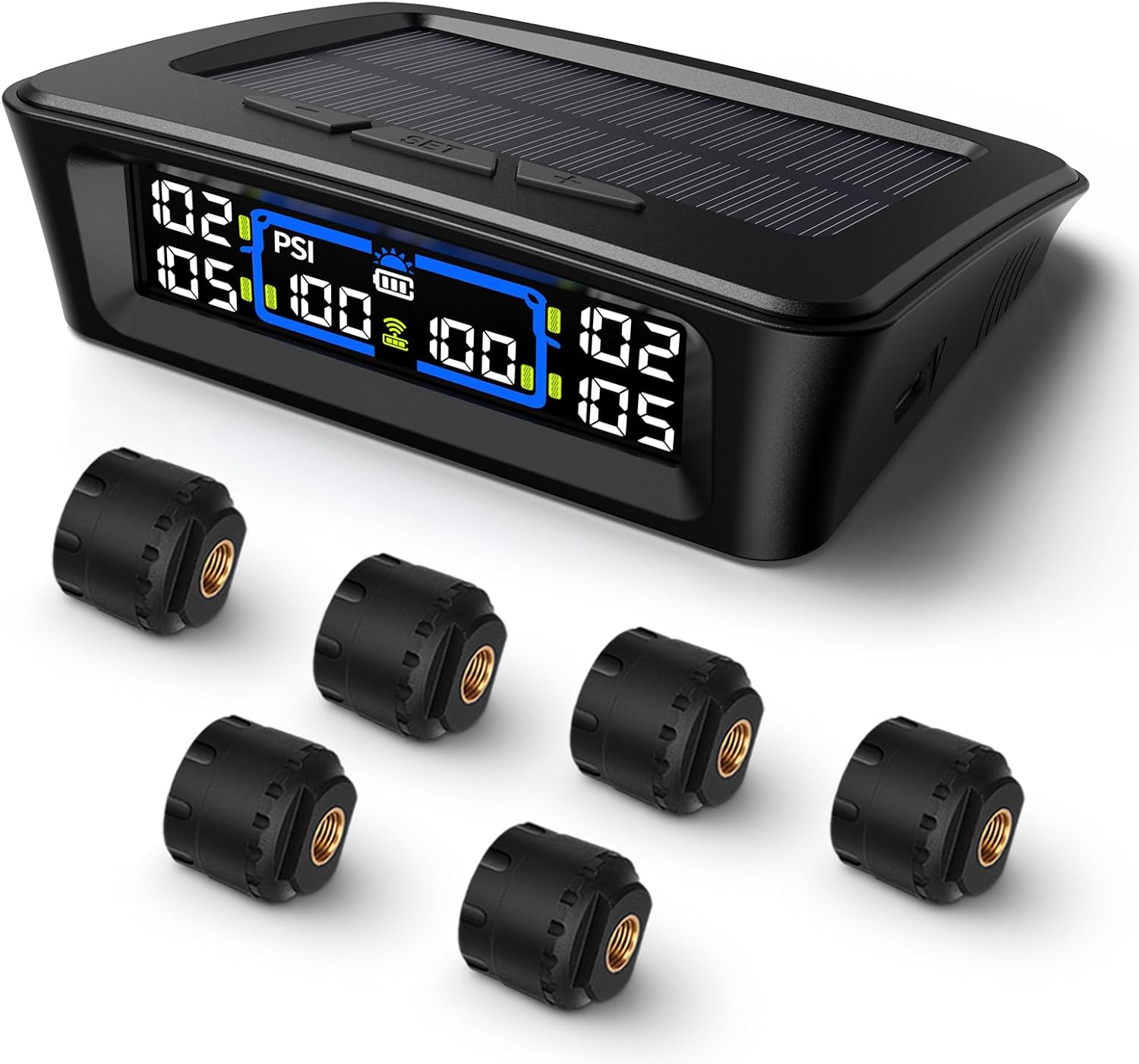
The Tymate TM12 RV TPMS delivers real-time tire pressure and temperature monitoring with a stable 433Hz display for safer long-distance driving. It supports simultaneous monitoring across vehicle and trailer zones, includes six alarm modes for pressure, temperature, leakage, battery, and signal loss, and features easy DIY installation with auto calibration. Power is supplied via USB-C charging or solar recharging, with a wide 0–144 PSI range and up to 50 ft signal coverage for RVs and towable trailers.
How UTQG Differs by Tire Type
Because UTQG applies differently across tire categories, you need to read the label in context rather than as a universal benchmark.
Tire types show distinct performance differences because manufacturers tune tread compounds, carcass stiffness, and tread depth for specific service demands. You’ll usually see higher treadwear numbers on Touring options and eco-friendly choices, while Sports tires often carry lower ratings because softer compounds grip better.
- All season advantages usually reflect balanced treadwear, traction, and temp scores.
- Winter performance can’t be fully captured, since snow service relies on separate testing.
- Off road capabilities depend on block design and sidewall strength, not UTQG alone.
- Sports tires prioritize cornering response over long wear.
How to Compare Tires by UTQG
To compare tires by UTQG, first line up the treadwear, traction, and temperature grades for models in the same tire category, since the numbers only make sense within similar use cases.
You should treat treadwear as a relative wear index, not a mileage guarantee, because test conditions and tread design affect tire performance.
Next, compare traction grades to see how each tire reports wet braking capability on test asphalt and concrete.
Then check temperature grades to confirm each tire’s heat resistance at speed.
Keep the load range, size, and intended service in view, since those factors change results.
Use the UTQG label as a standardized reference, but verify manufacturer data and independent testing when you need a tighter comparison.
When two tires post similar grades, the finer details in tread design often separate their real-world behavior.
Which UTQG Grade Should You Prioritize?
Which UTQG grade you prioritize depends on how you’ll use the tire, but treadwear usually deserves the closest attention for most drivers because it indicates relative longevity.
If you drive mostly on paved roads, you should weigh treadwear first, then verify traction and temperature ratings support your conditions. That gives you a practical performance balance without sacrificing safety.
If you drive mostly on paved roads, prioritize treadwear first, then confirm traction and temperature fit your driving conditions.
- Higher treadwear numbers often suggest longer tire longevity.
- Traction grades matter when you face frequent wet braking.
- Temperature grades matter more for sustained high-speed use.
- No single grade tells you everything about real-world performance.
You should treat UTQG as a relative scale, not a guarantee. A tire with an excellent treadwear score can still deliver only average grip, while a softer compound may trade tire longevity for stronger traction.
Compare grades against your driving demands, and prioritize the metric that most closely matches your typical load, speed, and road conditions.
Choose Tires Smarter With UTQG
UTQG gives you a quick way to compare tires, but it works best when you use it alongside your driving needs rather than as a stand-alone score.
You should read treadwear, traction, and temperature together to judge tire longevity, wet grip, and heat resistance. A higher treadwear number can indicate slower wear, but it doesn’t guarantee better real-world mileage because alignment, inflation, load, and road surfaces also matter.
Traction grades help you make a performance comparison for braking on tested wet pavement, while temperature grades show how well a tire dissipates heat at speed.
For daily commuting, you may value balanced wear and traction; for spirited driving or heavy loads, you’ll want stronger heat tolerance.
Always match the UTQG data to your vehicle, climate, and usage pattern, then compare products within the same category for the most accurate decision.
Frequently Asked Questions
Can UTQG Ratings Predict Wet Braking Distance?
No, you can’t reliably predict wet braking distance from UTQG ratings alone. You should treat traction as a coarse proxy for wet grip, not a direct measure of braking performance, because test methods and conditions vary.
Do Winter Tires Use Standard UTQG Grades?
No, you usually won’t see standard UTQG grades on winter tires, because their tread design differences and winter tire performance priorities don’t fit UTQG testing well; many manufacturers exclude them from labeling entirely.
How Often Are UTQG Ratings Updated?
UTQG ratings update whenever manufacturers submit new test data or redesign tires; you’ll usually see changes only with new models, not annually. UTQG updates reflect tire performance testing, certification, and occasional regulatory revisions.
Are UTQG Ratings the Same Across Brands?
No, you can’t assume UTQG ratings match across brands; you need brand comparison. You may see similar numbers, but tire performance varies because manufacturers test, calibrate, and label compounds differently within the UTQG framework.
Can I Find UTQG on the Tire Sidewall?
Yes, you can find UTQG on the tire sidewall. You’ll usually see it molded there near other performance metrics, and checking it yourself supports tire safety; the theory that all sidewalls hide it isn’t true.
Conclusion
When you read a UTQG label, you can quickly compare treadwear, traction, and temperature performance, but you shouldn’t treat it as the whole story. You still need to match the tire to your driving conditions, vehicle, and priorities. As the saying goes, “the devil’s in the details.” Use UTQG as a technical screening tool, then check the tire’s construction, speed rating, and application before you decide. That’s how you choose tires smarter.
[Products Worth Considering]

These universal tire valve stem caps help protect valve cores from dust, debris, and moisture while helping maintain stable tire pressure. The corrosion-resistant metal construction and sealed design provide reliable protection in road grime, mud, and winter conditions. Twist-on installation makes them quick to fit on cars, SUVs, trucks, and motorcycles.

Measure tyre tread depth precisely with a digital gauge that reads in both MM and inches, helping you monitor safe driving conditions. The large LCD screen is easy to operate, and the compact tool fits for cars, trucks, and motorcycles. It provides high accuracy with a 0-25.4mm range and includes a 1-year warranty for added peace of mind.

Accurately measure tire tread depth with a calibrated gauge marked from 0 to 1 inch in 1/32 inch increments. The color-coded bar helps you quickly identify tread condition ranges, supporting safe driving for trucks, motorcycles, automobiles, and passenger vehicles.

Related Articles
Best Tires for 2500HD Duramax 2026: Heavy-Duty Tires for Towing and Work Trucks
You depend on your 2500HD Duramax to tow heavy loads and handle demanding worksite conditions, so tire choice is not optional. The right tires…
Read More
Best Mastercraft Tires 2026: Reliable Tire Picks for Trucks, SUVs, and Daily Drivers
You need tires that match how you drive, where you live, and what your vehicle carries. This guide highlights Mastercraft models that stand out…
Read More
Best Lionhart Tires 2026: Budget Performance Tires for Cars and SUVs
You want tires that deliver confident handling, predictable braking, and acceptable longevity without stretching your budget. Lionhart’s 2026 lineup focuses on delivering those trade-offs…
Read More