
Which Cooper Tires Are Made in the USA?
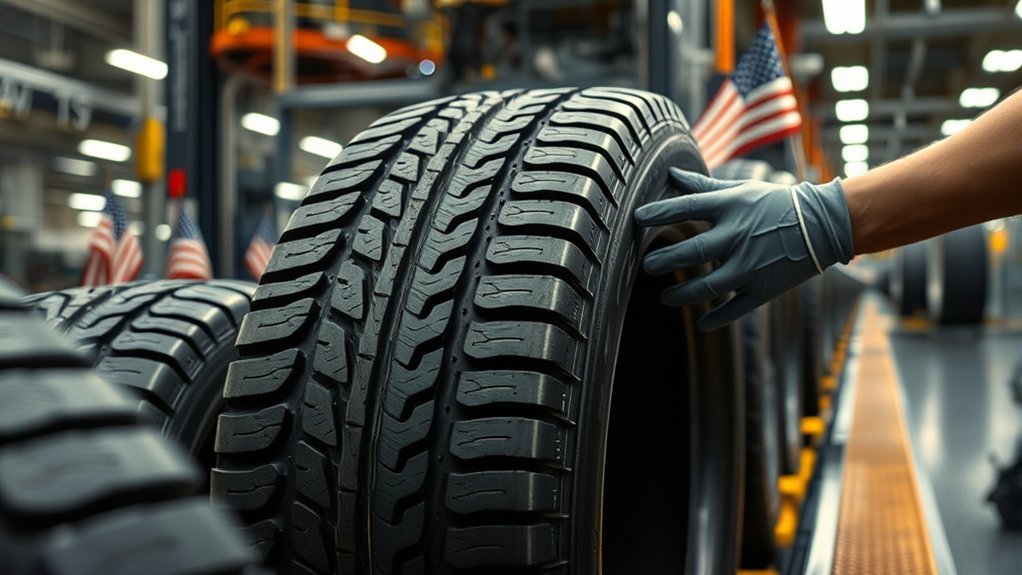
Some Cooper tires are made in the USA, but it depends on the exact model and plant. You’ll often find U.S.-built versions of the Discoverer, Endeavor, and Cobra lines, though the same tire family can also be made in Canada, Mexico, Serbia, or elsewhere. To confirm origin, check the sidewall DOT code or product listing. Cooper’s U.S. plants, including Findlay and Texarkana, produce many passenger and light truck tires, and the details can vary further.
Key Takeaways
- U.S.-made Cooper tires depend on the specific model and plant, not the brand alone.
- Common U.S.-built lines include Discoverer, Endeavor, and Cobra, but origin can vary by exact tire.
- Check the tire sidewall, DOT code, or product literature to confirm the country of manufacture.
- Cooper also makes some tires in Canada, Mexico, Serbia, and other countries.
- “Made in the USA” means U.S. production, but it does not guarantee all tire components are domestically sourced.
[Products Worth Considering]

Dr. Scholl’s self-heating foot mask warms gently to relax and soothe tired, achy feet for immediate relief. The booties infuse Epsom salt and menthol for deep comfort, while shea butter and essential oils help moisturize and revitalize your skin. Designed for easy, mess-free use, it’s a convenient self-care step after a long day.

The Dr.Roc spare tire tool kit helps you release, lower, or raise your spare tire with reliable extension tools and a lug nut wrench. It is made from rustproof automotive-grade steel and includes an organized carry case for convenient storage. Designed for compatibility with select GM models from the late 1990s through 2019, it uses upgraded extension components to install and remove spare tires with less hassle.

This Dr.Roc tire valve stem puller tools set helps install or remove snap-in tubeless valve stems safely and efficiently. It includes ozone-resistant EPDM snap-in valve stems, a valve stem installer, and a valve core remover for quick core removal or installation during tire service. Designed for reliable tubeless tire repair on motorcycles, ATVs, lawn equipment, cars, and trucks.
Which Cooper Tires Are Made in the USA?
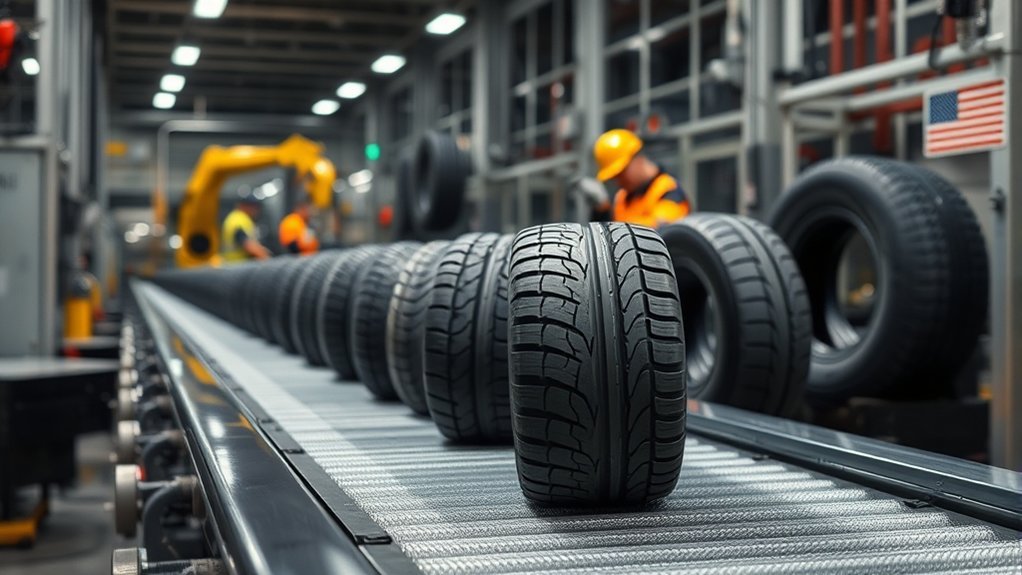
If you’re wondering which Cooper tires are made in the USA, the answer depends on the specific model and plant. You can find some Cooper tires built at U.S. facilities, while others come from overseas factories.
Cooper designs and engineers many products with U.S. standards in mind, so you should check the sidewall, product literature, or the company’s current plant list for exact origin details. This matters because manufacturing location can affect availability, but it doesn’t automatically determine Cooper tire quality or Cooper tire performance.
Cooper designs many tires to U.S. standards, but check the sidewall and plant list for exact origin.
You still need to compare tread design, load rating, wet traction, treadwear, and warranty coverage. If you want a U.S.-made option, verify the DOT code and ask your dealer for the current production source.
Cooper updates manufacturing assignments over time, so the country of origin can change by size, line, or year.
Cooper Models Made in the USA
Some Cooper models are built in the USA, but the exact list shifts by size, trim, and production year. You should check the tire’s sidewall, current catalog, and dealer data before you assume a model is domestic.
Common U.S.-built examples can include certain Discoverer, Endeavor, and Cobra patterns, yet availability changes over time. When you compare options, focus on Cooper tire performance in your driving conditions, not just the plant location. That helps you judge wet grip, tread wear, and ride feel more accurately.
Cooper tire durability also matters because long service life can offset a higher purchase price.
- Match the model to your vehicle and climate.
- Verify the exact SKU, since manufacturing can vary.
- Balance origin with performance, safety, and wear data.
You’ll get the clearest answer by checking the specific size you need, not the model name alone.
How Cooper Manufactures Tires in the U.S
Cooper manufactures U.S.-built tires through a mix of domestic production, strict quality control, and model-specific tooling at its American plants. You’ll see standard tire manufacturing processes: compound mixing, component building, curing, and inspection.
Each stage uses controlled equipment to keep dimensions, tread patterns, and performance targets consistent. In U.S. facilities, Cooper can adjust production runs for specific vehicle applications and seasonal demand more quickly than it could with a single offshore source.
Controlled equipment keeps dimensions and tread patterns consistent, while U.S. facilities can quickly adjust runs for specific applications and seasonal demand.
You also benefit from domestic production benefits such as shorter supply chains, closer oversight, and easier coordination between engineering and factory teams. That setup can help Cooper refine designs for American roads, weather, and driving habits.
Still, the company may build some models outside the U.S., so plant location depends on the tire line. For you, the key point is that Cooper’s U.S. manufacturing combines local labor, technical process control, and model-specific output.
How to Check a Cooper Tire’s Country of Origin
To confirm where a Cooper tire was made, start with the sidewall: the tire’s country of origin is usually molded into the DOT code, serial markings, or nearby production information.
You can then match that code with Cooper’s official documentation or a dealer’s reference guide. If the markings are hard to read, use a flashlight and clean the surface first.
For extra certainty, check the tire label on the original packaging or invoice, since it can confirm the plant and country.
- Read the DOT sequence carefully; it often identifies the factory.
- Compare the code with Cooper’s published plant list for accurate origin.
- Keep the record with your purchase paperwork for future verification.
This process helps you evaluate tire quality without guessing and shows whether the product follows the manufacturing standards tied to its stated origin.
If anything conflicts, contact Cooper or your retailer and ask for written confirmation before you buy or install the tire.
Which Cooper Tires Are Not Made in the USA?
Which Cooper tires aren’t made in the USA? You’ll often find that some Cooper tires are produced in Canada, Mexico, Serbia, or other overseas plants, depending on the model and size.
If you’re comparing options, check the specific tire line rather than assuming every Cooper product comes from the same country. Cooper uses different manufacturing processes across its global network, so origin can vary within one family of tires.
This doesn’t automatically mean lower tire quality; Cooper applies company standards across facilities, but local production can still differ by plant, tooling, and sourcing.
You should review the sidewall, product page, or dealer listing for the exact country of manufacture before you buy. That helps you match your preferences for origin, availability, and performance without guessing.
[Products Worth Considering]

Upgrade your Toyota tire setup with these corrosion-resistant, leak-proof valve stem caps designed to help protect the valve core from water, snow, and road grime. The caps feature a snug rubber seal and durable copper alloy construction to resist rust and oxidation while maintaining stable tire pressure. Ideal for replacing worn original caps and keeping your wheels looking clean and stylish.

Mount your spare tire off the floor and onto your wall using an e-track spare tire carrier that helps you stay organized in trailers, garages, and warehouses. The upgraded double-fittings design improves stability versus single-fittings and supports greater load bearing. Install by snapping into e-track anchor points and securing the tire with a lug-nut style bolt setup for quick, secure storage.

Protect your Tesla’s tire valves with these precision-fit aluminum stem caps made for Model 3, S, X, and Y. The rubber O-rings help form an airtight, leakproof seal to keep dust, debris, and moisture out while supporting proper tire pressure. Easy hand installation adds a clean finishing touch to your wheels.
What “Made in the USA” Means on Tire Labels
When you see “Made in USA” on a tire label, it signals that the tire meets federal labeling standards, but it doesn’t always mean every component came from the U.S.
You should read the label carefully because federal rules allow some variation in how origin is described.
That’s why the label can help you understand where a tire was assembled and how much domestic content it has.
Made in USA Label
A “Made in the USA” label on a tire means the tire was manufactured in the United States, but that claim can cover different levels of domestic content depending on the brand’s sourcing and assembly process.
You should read it as a useful clue, not a full origin story, when you compare Cooper options. The label can signal local assembly, U.S.-based production, or components sourced from several places.
For you, that matters because Made in USA claims don’t automatically define Tire Quality.
- Check the plant location on the sidewall.
- Compare tread design, warranty, and performance specs.
- Match the label with your driving needs before you buy.
When you focus on the whole tire, you make a better choice and avoid assuming every domestic label means the same thing.
Federal Labeling Rules
Under federal labeling rules, “Made in the USA” on a tire means the tire was all or virtually all made in the United States, but that standard is narrower than many shoppers expect. You should read labels carefully because tire regulations focus on the origin of materials and final manufacturing, not just assembly. For labeling compliance, manufacturers must avoid misleading claims and keep substantiation on file.
| Label claim | What it suggests | What you should check |
|---|---|---|
| Made in USA | Mostly U.S. content | Component origin |
| Assembled in USA | Final assembly here | Parts source |
| Imported | Foreign manufacture | Country named |
| U.S. origin claim | Strong domestic content | Support details |
| No claim | Unclear origin | Ask retailer |
That means a Cooper tire can qualify only when domestic content meets the standard.
Where Cooper Tires Are Made in the U.S
Cooper Tires manufactures several of its U.S.-market tires at plants in Findlay, Ohio, and Texarkana, Arkansas, two of the company’s primary American production sites.
When you look at these locations, you see where Cooper concentrates much of its domestic output. You’ll also find that the company uses other U.S. facilities for selected lines, depending on model and demand.
These plants support tire quality through controlled manufacturing processes and consistent material handling.
- Findlay often serves as a key hub for passenger and light truck tires.
- Texarkana helps supply specific touring and all-season products.
- Plant location can vary by size, tread design, and production run.
If you’re checking a sidewall, you should verify the DOT code and plant identifier to confirm the exact origin of a tire.
Why U.S.-Made Cooper Tires Matter
U.S.-made Cooper tires matter because domestic production can improve supply consistency, shorten distribution paths, and give you clearer visibility into how and where a tire is built. That can help you compare product origins with more confidence and better understand what you’re buying.
U.S. manufacturing also supports local jobs, supplier networks, and related services, which creates measurable economic impact in the communities where these plants operate. Shorter shipping distances may reduce transportation energy use, offering modest sustainability benefits when compared with longer global routes.
For many buyers, these factors make U.S.-assembled tires easier to evaluate from both a practical and values-based perspective. You’re not just choosing tread and price; you’re also weighing production standards, domestic industry support, and supply-chain resilience.
In that sense, U.S.-made Cooper tires can matter beyond performance alone, especially if you want a purchase aligned with efficiency, transparency, and broader domestic benefits.
How to Find the Latest Cooper Tire Labeling Info
To find the latest Cooper tire labeling info, check the tire sidewall first for the molded manufacturing details.
Then verify the DOT code, since it helps you identify the plant and production batch.
You can use both markings to confirm whether a tire matches current U.S.-made labeling information.
Check Tire Sidewall
A quick look at the tire sidewall gives you the most current labeling details, including the plant code, DOT information, and any country-of-origin markings.
During a tire inspection, you can compare these markings with the size, load, and service notes to confirm the tire matches your vehicle’s needs. This check also helps you assess manufacturing quality because the sidewall shows where Cooper finished the tire and how it’s identified for traceability.
Use these points:
- Read all molded text before buying.
- Match the sidewall data to the seller’s description.
- Record any plant or origin marks for later reference.
You don’t need special tools; good lighting and a clean surface usually suffice.
For the latest labeling info, inspect each tire individually, since marking can differ by model, batch, or production location.
Verify DOT Code
Next, verify the DOT code on the tire sidewall, since it gives you the clearest current clue about where Cooper finished that tire and when it was made. You’ll find this tire identification code after the letters DOT, usually near one sidewall bead.
The first characters point to the plant and mold, while the last four digits show the week and year of production. Because labeling can change, compare the code with Cooper’s latest product data or customer support notes instead of relying on old listings.
If the tire has multiple sidewall markings, read the full DOT code, not just the date. This check won’t guarantee every component came from the U.S., but it does help you confirm recent manufacturing details more accurately and confidently.
Frequently Asked Questions
Are Cooper Tires Made Entirely From American-Sourced Materials?
No, you shouldn’t assume Cooper tires use entirely American-sourced materials. You’ll find manufacturing processes may occur in the U.S., but material sourcing often includes global suppliers, so the final tire isn’t fully domestic.
Do All Cooper Tire Sizes Come From U.S. Factories?
Not all Cooper tire sizes come from U.S. factories; you’ll find factory locations vary by model and line. Cooper’s tire manufacturing spans multiple plants, so check the specific size’s country of origin before you buy.
Can I Verify a Tire’s Plant Before Buying It Online?
Yes, you can verify a tire’s plant before buying online by checking tire sourcing details, factory locations, DOT codes, and seller specs. You should confirm with the retailer or manufacturer if anything looks unclear.
Does Cooper Use the Same Label on Every U.S.-Made Tire?
No, you can’t assume that. Like reading a map’s legend, you’ll see label consistency varies by model and plant, so check each tire’s sidewall and product details for manufacturing transparency before you buy.
Are Replacement Cooper Tires Always Made in the Same Country?
No, you can’t assume replacement Cooper tires come from the same country. You’ll see differences because manufacturing processes and international production shift by model, size, and plant, so always check the sidewall and label.
Conclusion
So, when you’re shopping for Cooper tires, you’ll want to check the sidewall and the DOT code, because not every model is made in the U.S. Cooper does build some tires stateside, but production can shift by plant and model. Think of it like checking a recipe before you bake: one missing ingredient changes the result. If you want certainty, verify the current label or ask the dealer before you buy.
[Products Worth Considering]

This multi-function tire valve stem removal tool set makes it fast to remove, install, bleed, and clean valve cores for easier tire maintenance. It includes valve core removers, a 4-way spool tool, replacement valve caps, and spare cores to handle replacements and repairs with confidence. Universal compatibility suits cars, trucks, motorcycles, bicycles, and more for roadside convenience.

This ecocstm ratchet wrench is designed to make emergency and routine tire changes faster with a 360° rotating head and quick forward/reverse switching. The extended handle provides extra leverage to reduce effort and hand fatigue, while the adapter helps fit many scissor jacks on cars, SUVs, trucks, and vans. Built for reliable performance with durable construction, it’s a practical travel essential for on-the-road preparedness.

ETENWOLF’s calibrated digital tire pressure gauges deliver accurate readings across a wide pressure range, from below 12 PSI to above 140 PSI. The built-in thermal compensation helps maintain performance in extreme cold and hot conditions, while the LED light improves visibility for quick checks. Includes replaceable AAA batteries for long-lasting use and convenience for everyday tire monitoring.

Related Articles
Who Makes Kumho Tires? Brand and Factory Guide
From South Korea to global factories, find out who really makes Kumho tires—and why their production story may surprise you.
Read More
Are Michelin Tires Worth the Price?
Do Michelin tires justify their premium price, or are you paying for a badge; discover what really drives their value and decide for yourself.
Read More
Where Are Continental Tires Made?
Originating from a global network of advanced factories, Continental tires are made in surprising places—find out which plant could be behind yours.
Read More