
What Are OE Tires? Original Equipment Explained
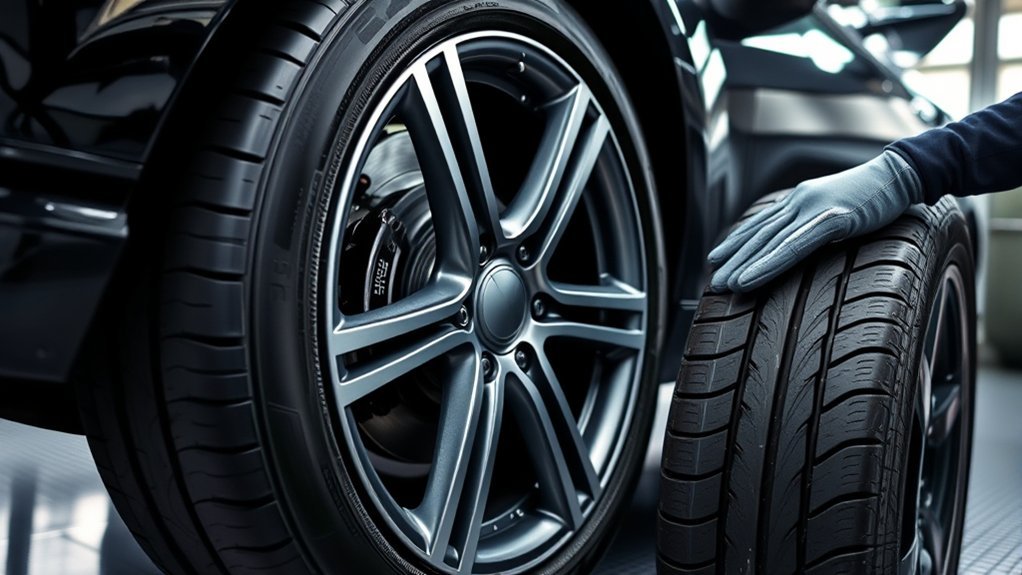
OE tires are the original equipment tires a vehicle maker selects for a specific model, so you get the ride, handling, noise, and efficiency the engineers intended. They’re tuned to match the car’s weight, suspension, and performance targets, and they often carry markings like BMW star, Audi AO, or Mercedes MO. You can replace them with non-OE tires, but they need the right size, load index, and speed rating. Keep going to see how to choose the best fit.
Key Takeaways
- OE tires are Original Equipment tires chosen by automakers to match a vehicle’s specific handling, comfort, and performance goals.
- They are engineered and tested for the car’s weight, suspension, load capacity, and speed rating.
- OE tires often have special sidewall markings, such as BMW star, Audi AO, or Mercedes-Benz MO.
- Replacing with the same OE tire model helps preserve the vehicle’s original ride, grip, and fuel efficiency.
- Aftermarket tires can work if they match the correct size, load index, and speed symbol.
[Products Worth Considering]

The Continental Grand Prix 5000 is an allround road bike tire engineered for faster rolling, improved ride comfort, and enhanced puncture protection. It features a Vectran Breaker cut-protection layer, Lazer Grip micro-profile tread for confident cornering control, and Active Comfort Technology to damp vibration for smoother rides. BlackChili compound optimizes grip and speed for everyday performance and long-lasting confidence.

The Topeak SmartGauge D2 delivers precise digital tire pressure readings for bikes, motorcycles, and sports equipment up to 250 psi (17 bar). Its rotating SmartHead works with both Presta and Schrader valves, so you can check pressure quickly without adapters. The LCD display makes it easy to read results in psi, bar, or kg/cm² with an included CR2032 battery for immediate use.

Replace worn tires quickly with this universal 4.80/4.00-8 tire and inner tube set designed for wheelbarrows and outdoor utility carts. The ribbed tread helps reduce turf damage while the natural rubber construction supports longer service life. Compatible with 15.5-inch outer diameter, 4-inch width, and 8-inch rim diameter wheels, it uses a straight TR-13 valve stem for easy installation. For best results, inflate with a manual pump and do not exceed 25 PSI.
What Are OE Tires?
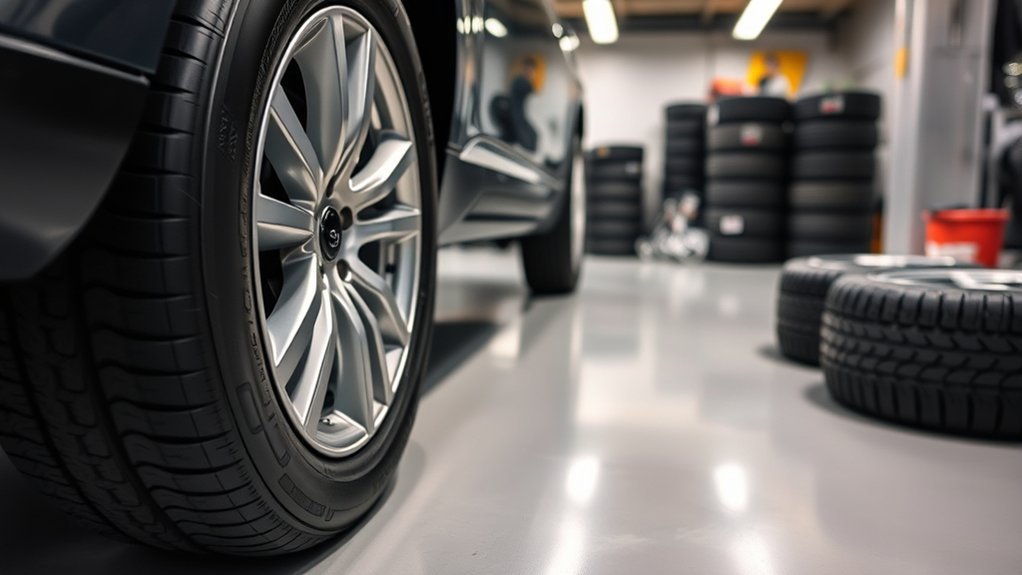
Original Equipment (OE) tires are the specific tires vehicle manufacturers choose to match a model’s intended driving experience, from handling and ride comfort to noise, mileage, and fuel efficiency.
When you buy a new vehicle, the original equipment (OE) tires installed at the factory are engineered to complement that exact model’s weight, suspension, and performance targets. Manufacturers test them extensively, often through more than 100 evaluations for handling, speed, comfort, noise, and mileage, so you get a consistent result on the road.
OE tires can also help maintain fuel efficiency and longevity because they’re tuned to the vehicle’s design. You can usually identify them by sidewall markings such as a BMW star or Audi “AO.”
If you replace them with the same OE model, you’re more likely to preserve the handling, efficiency, and overall performance the manufacturer intended for you.
How Manufacturers Choose OE Tires
When you choose OE tires, manufacturers start with rigorous performance testing standards, checking handling, speed, noise, mileage, and more across 100-plus evaluations.
They then tune the tire to the vehicle’s specific needs, so a sports car, SUV, or sedan gets the grip, comfort, and efficiency it requires.
This process also depends on close OEM collaboration, with tire makers developing custom solutions that help preserve the vehicle’s performance targets and reliability.
Performance Testing Standards
Manufacturers don’t pick OE tires by guesswork; they use extensive performance testing, often running more than 100 evaluations to measure handling, speed, comfort, noise, mileage, traction, and fuel efficiency.
You’ll see that these tests compare each tire against strict performance specifications tied to the vehicle’s design and duty cycle. Engineers and tire makers work together to verify steering response, braking stability, tread life, and ride quality before approving Original Equipment tires.
They also assess how the tire performs under expected road and weather conditions, so the final choice supports safety and everyday drivability.
This research-driven process helps manufacturers select tires that meet their targets without compromising efficiency or durability, ensuring the OE fit delivers the performance the vehicle was built to provide.
Vehicle-Specific Tuning
Those test results help automakers fine-tune OE tires for each vehicle’s exact job. You see this in OE vs aftermarket choices: manufacturers optimize performance, not just fit. They target handling, comfort, fuel efficiency, noise, and tread wear for your model.
| Vehicle type | OE tire focus |
|---|---|
| Sports car | High-performance grip |
| SUV | All-terrain traction |
| Sedan | Balanced comfort |
| EV | Low rolling resistance |
That table shows how tire specs shift by use case. Engineers score more than 100 tests, then select compounds, construction, and tread patterns that match your car’s dynamics and driving conditions. Some OE tires also carry markings that identify approved models, helping you replace them correctly. This vehicle-specific tuning makes the tire feel integrated, because the tire and chassis work as one system.
OEM Collaboration Process
Behind every OE tire is a close OEM collaboration process: automakers and tire companies work together to choose a tire that matches the vehicle’s handling, comfort, fuel efficiency, noise, and durability targets.
You’ll see extensive research and testing, because manufacturers need tires that fit the vehicle’s exact requirements and intended driving conditions. In many programs, engineers run more than 100 tests to measure speed, mileage, ride quality, sound, and overall driving experience before they approve a design.
That process often leads to custom tire solutions developed jointly by both teams. The result is a seamless fit between the vehicle and its tires, improving safety, reliability, and on-road consistency while meeting the automaker’s performance goals.
How OE Tires Differ From Aftermarket Tires
OE tires match your vehicle’s original fitment specs, including tread design, load rating, and speed rating, so they preserve the factory handling balance and performance targets.
Aftermarket tires give you more performance choices, letting you prioritize grip, ride comfort, or tread life, but they don’t always follow the same exact manufacturer testing standards.
If you switch from OE to aftermarket, you can change how your vehicle rides, handles, and even uses fuel.
OE Tire Fitment Specs
When a vehicle leaves the factory, its OE tires are chosen to match the exact performance, handling, and comfort targets set by the automaker. You’ll see that OE fitment specs cover load capacity, speed rating, and construction type, and these must align with the suspension, chassis tuning, and overall design.
Tire engineers and automakers validate the package through extensive testing, often more than 100 evaluations for handling, speed, comfort, noise, and tread life. That process helps preserve the ride quality, fuel efficiency, and performance the vehicle was built to deliver.
OE tires may also carry sidewall identifiers or symbols, so you can confirm the correct replacement and keep the vehicle within its original specifications.
Aftermarket Performance Choices
Unlike OE tires, which are engineered to match a vehicle’s exact factory performance targets, aftermarket tires give you more freedom to tune how the vehicle feels and performs.
With aftermarket performance choices, you can move beyond OE tires and select tread, compound, and size combinations that suit your driving style.
- You can improve cornering grip for spirited street driving.
- You can add traction for off-road mud, snow, or gravel.
- You can choose lower rolling resistance for better fuel efficiency.
- You can pick longer-wearing models for fewer replacements.
OE tires still offer proven fit and consistent testing, but aftermarket options vary by brand and model.
That flexibility lets you optimize comfort, handling, or durability without staying locked into factory priorities.
How to Spot OE Tire Markings
A quick look at the tire sidewall can tell you whether a tire is an OE fitment, because these tires often carry special markings for specific vehicle brands.
When you inspect OE tires, look for symbols or letters from the tire manufacturer that identify the original equipment match. BMW uses a star symbol, Audi tires often show AO, and Mercedes-Benz fitments usually display MO.
Porsche fitments may include N0, N1, or N2, which signal different performance specifications engineered for that model range.
Goodyear.com also labels OE tires as “Original Equipment Fitment,” which helps you verify them quickly.
These markings matter because they show the tire was built to meet a vehicle maker’s requirements for fit, handling, and performance.
When you read the sidewall carefully, you can confirm whether the tire matches the intended OE specification.
Can You Replace OE Tires With Non-Oe?
Yes, you can replace OE tires with non-OE options, but you need to match the vehicle’s required size, load capacity, and speed rating to keep safety and performance in line.
Non-OE Replacement tires can fit your needs, but they may change handling, comfort, fuel efficiency, and even tread noise because they aren’t engineered exactly like the original tire.
Non-OE tires can fit well, but may affect handling, comfort, fuel efficiency, and tread noise.
If you want a better match, compare specs carefully and talk with tire specialists before you buy.
- Check the sidewall size and confirm it matches your vehicle.
- Verify load index and speed rating for safe operation.
- Compare traction, tread life, and ride feel against OE behavior.
- Choose a non-OE tire that suits your driving conditions and priorities.
When you select carefully, you can get a practical alternative without compromising the core requirements your vehicle needs for safe everyday driving.
When Replacement Tires Make More Sense
Replacement tires make more sense when you want the tire to better match how you actually drive, rather than simply duplicating the original factory setup. You can choose replacement tires with performance attributes that emphasize traction, tread life, ride comfort, or responsive handling, depending on your priorities.
If you face snow, rain, rough roads, or occasional off-road use, non-OE options let you select a tread and compound built for those conditions. You can also find more budget-friendly choices, since aftermarket tires span a wider range of price points than many OE fitments. That flexibility helps you balance cost, safety, and performance without settling for a one-size-fits-all design.
In many cases, the right replacement tires can improve comfort, efficiency, or control because they’re tuned to your driving style. If you’re unsure, a tire specialist can help you verify load ratings, sizing, and fit so you get a safe, well-matched tire.
[Products Worth Considering]

This tire inflator with pressure gauge delivers long-lasting performance with a durable rubber-protected gauge and sturdy build. The longer hose and 360 swivel air chuck help you seal the valve securely and keep your hands free while measuring, inflating, or deflating. It’s battery-free for reliable use and provides ±2 PSI accuracy in the mid-range for most typical tires, with universal compatibility for 1/4 NPT compressor outputs.
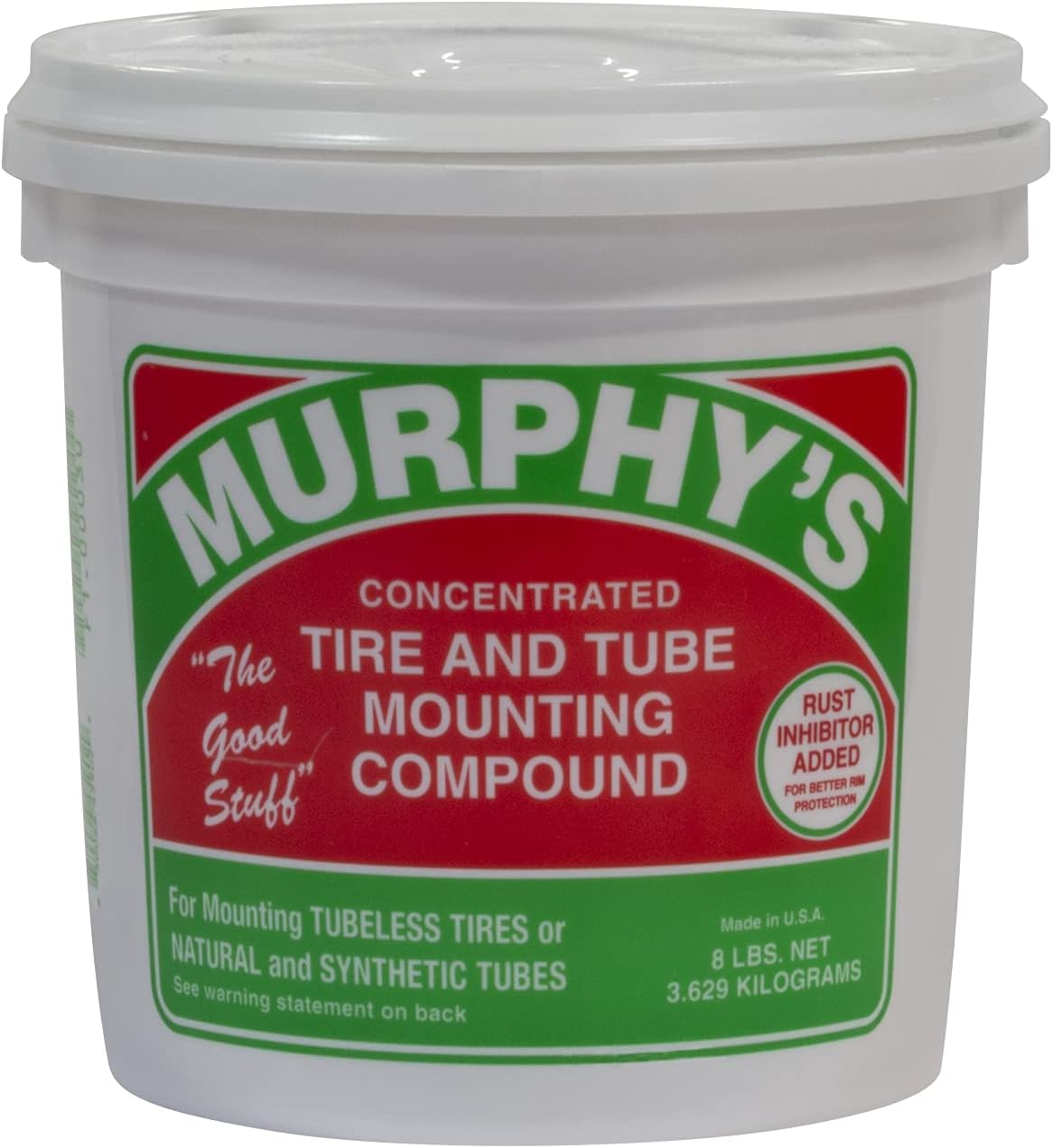
A concentrated tire and tube mounting compound designed to help simplify mounting rubber tires and tubes on passenger, semi truck, construction, and OTR applications. Its ultra-thick formula packs beads effectively and includes rust inhibitors to help protect against corrosion during use.

Upgrade your tires with a set of four aluminum valve stem covers designed to protect the valve from wear and help keep out moisture and debris. The hermetically sealed, screw-in caps are corrosion resistant and provide an attractive, long-lasting anodized finish. Suitable for many vehicle types and installs quickly for everyday convenience.
How OE Tires Affect Ride and Efficiency
OE tires are designed to work with your vehicle’s factory suspension, steering, and braking systems, so they help deliver the ride quality and efficiency the manufacturer intended. You feel that balance in sharper steering response, stable braking, and predictable comfort on the road.
Because OE tires undergo more than 100 tests for handling, noise, speed, mileage, and comfort, they’re tuned to support consistent performance.
- Steering stays precise in everyday driving.
- Braking feel remains consistent and controlled.
- Cabin noise can stay lower on varied pavement.
- Rolling resistance is managed to support fuel efficiency.
When you keep OE tires, you preserve the original calibration your vehicle was built around. That means you’re less likely to lose the handling and efficiency advantages engineered into the car.
If you replace them with the same OE tires, you keep that factory ride quality and help maintain fuel efficiency over time.
How to Match Replacement Tires Correctly
When you replace OE tires, match the original specifications for size, construction, load capacity, and speed rating so your vehicle keeps its intended performance.
You should also check the tire sidewall for OE markings or manufacturer symbols that confirm compatibility.
If you’re unsure, use your owner’s manual or ask a trusted dealer to verify the correct fit.
Match Specifications
To match replacement tires correctly, you need to match the original equipment (OE) specifications for class, construction, load capacity, and speed rating so your vehicle keeps the performance it was designed for.
When you match specifications, using OE guidance helps you avoid fitment errors and keep handling predictable.
- Verify the tire class and construction in your owner’s manual.
- Check load capacity and speed rating against the factory recommendation.
- Choose tread and sizing that suit your driving conditions and habits.
- Get a tire specialist to confirm the replacement meets OE requirements.
You can also compare sidewall fitment marks, but first focus on the core specs.
That way, you preserve comfort, safety, and performance without guessing.
Check OE Markings
Once you’ve matched the core specs, check the sidewall for OE markings that identify a tire as approved for a specific vehicle brand or model. These symbols help you protect handling, comfort, and vehicle performance when you replace worn tires. Look for codes like the star for BMW, AO for Audi, MO for Mercedes-Benz, or N0, N1, and N2 for Porsche. If the marking doesn’t match, don’t assume the tire is equivalent.
| OE marking | Brand |
|---|---|
| * | BMW |
| AO | Audi |
A mismatched tire can feel harsh, vague, or less secure. To stay confident, verify fitment on tire-spec platforms like Goodyear.com before you buy. Matching OE markings keeps your vehicle’s original driving experience and safety intact.
What to Check Before Buying Replacement Tires
Before you buy replacement tires, confirm they match your vehicle’s original equipment specs for class, construction, load capacity, and speed rating so they fit and perform as intended. This keeps your original equipment handling consistent with your stock tires and avoids fitment surprises.
- Check the sidewall for OE identifiers, such as BMW’s star or Audi’s AO code.
- Verify the size, load index, and speed symbol against the door-jamb placard or owner’s manual.
- Ask the manufacturer or a dealership for the recommended tire specification if you’re unsure.
- Compare the replacement’s construction and rating to the OE tire before you pay.
If you choose a nonmatching tire, you can change steering feel, fuel use, and ride comfort.
You should also make sure the tread design and compound suit your vehicle’s required performance envelope, not just the price.
Careful checking helps you preserve the driving characteristics the vehicle was engineered to deliver and reduces avoidable replacement errors.
Which Tire Type Fits Your Driving Habits?
Even when a tire matches the OE size and rating, the best choice still depends on how you drive. OE tires are tuned by the vehicle maker to preserve factory handling, ride comfort, and predictable grip in normal conditions.
If your driving habits are mostly commuting, highway travel, and light loads, OE tires usually deliver the balanced performance your vehicle was designed to provide.
If you want more traction, longer tread life, or better wet and snow performance, dedicated replacement tires can improve those traits. For off-road use, spirited driving, or track-style response, non-OE tires often offer specialized tread compounds and constructions that fit those demands better.
Compare OE tires and aftermarket options by matching performance goals to road conditions, mileage, and weather. When you’re unsure, consult a tire specialist; they can help you choose a tire that fits your driving habits and keeps safety, comfort, and performance in line.
Frequently Asked Questions
What Does It Mean When a Tire Says Original Equipment?
It means your tire was chosen by the vehicle maker for factory fitment, meeting specific manufacturing standards and tire performance requirements. You’ll usually get handling, comfort, and efficiency matched to that model’s original design.
Which Is Better, OE or OEM?
OE is usually better if you want the best tire performance and OE advantages, because it matches your vehicle’s tuning. You might choose OEM if you want lower cost, but performance can vary slightly.
What Does Original Equipment Mean on Costco Tires?
Original equipment on Costco tires means you’re getting tires built to your vehicle maker’s specs, so you don’t lose performance. You’ll see Costco tire benefits in tire performance comparisons, plus comfort, handling, and efficiency.
What Does Original Equipment Mean Discount Tire?
At Discount Tire, original equipment means the OE tires your vehicle came with from the factory. You’ll see OE terminology on sidewalls, and those Tire specifications help you match factory handling, comfort, noise, and efficiency.
Conclusion
In the end, OE tires are built to help your vehicle deliver the ride, handling, and efficiency the manufacturer intended. When you replace them, you should check size, load rating, speed rating, and any OE markings before you buy. You can choose a non-OE tire, but make sure it matches your driving needs and vehicle specs. As the saying goes, “measure twice, cut once.” That care helps you keep performance and safety on track.
[Products Worth Considering]

This Hycline 2-pack mountain bike tire set delivers durable, puncture-resistant performance with a high-grip, aggressive tread designed for traction on hard surfaces and confident handling through mud and soil. Includes matching inner tubes and tire levers for easier everyday maintenance and quicker installation after folding storage. Built for a range of riding conditions with reinforced rubber and nylon cord for wear-resistant reliability.

Vigorder rubber cement glue delivers superior adhesion and cures quickly within about 30 seconds for seamless rubber bonding. Once cured, it helps provide a strong, durable, waterproof seal that holds up to vehicle weight, pressure, and heat. Suitable for cars, motorcycles, trucks, bicycles, and off-road tires, it’s designed for emergency patch and maintenance repairs.

Cristal Products Untouchable Tire Shine Spray delivers a deep, wet-look gloss that enhances your vehicle’s tires. It’s quick-drying and spreads smoothly for consistent, streak-free coverage, while forming a protective coating against UV rays, road grime, and weather. Suitable for all tire types, it helps restore dull, faded tires to a showroom-quality finish.

Related Articles

Best Tires for Audi Q5 2026: Premium SUV Tires for Smooth Daily Driving
You want tires that preserve the Audi Q5’s blend of comfort, composure and safety while you drive every day. Choosing the right set improves…
Read More
Best Michelin Tires for SUVs 2026: Premium Tires for Comfort, Grip, and Durability
You rely on your SUV for family trips, towing, commuting and everything in between, so choosing the right tires affects safety, ride quality and…
Read More
Best Tires for C5 Corvette 2026: Performance Tires for Grip, Handling, and Control
You drive a C5 Corvette for its agility and power, and the tires you choose are the single biggest factor that determines how that…
Read More