
SARDVISA Bike Tire Lever Kit Review: Ultra-Strong Bicycle Tire Removal Tools

Disclosure: As an Amazon Associate, we earn from qualifying purchases. If you click a link on this page and make a purchase, we may receive a small commission at no extra cost to you.
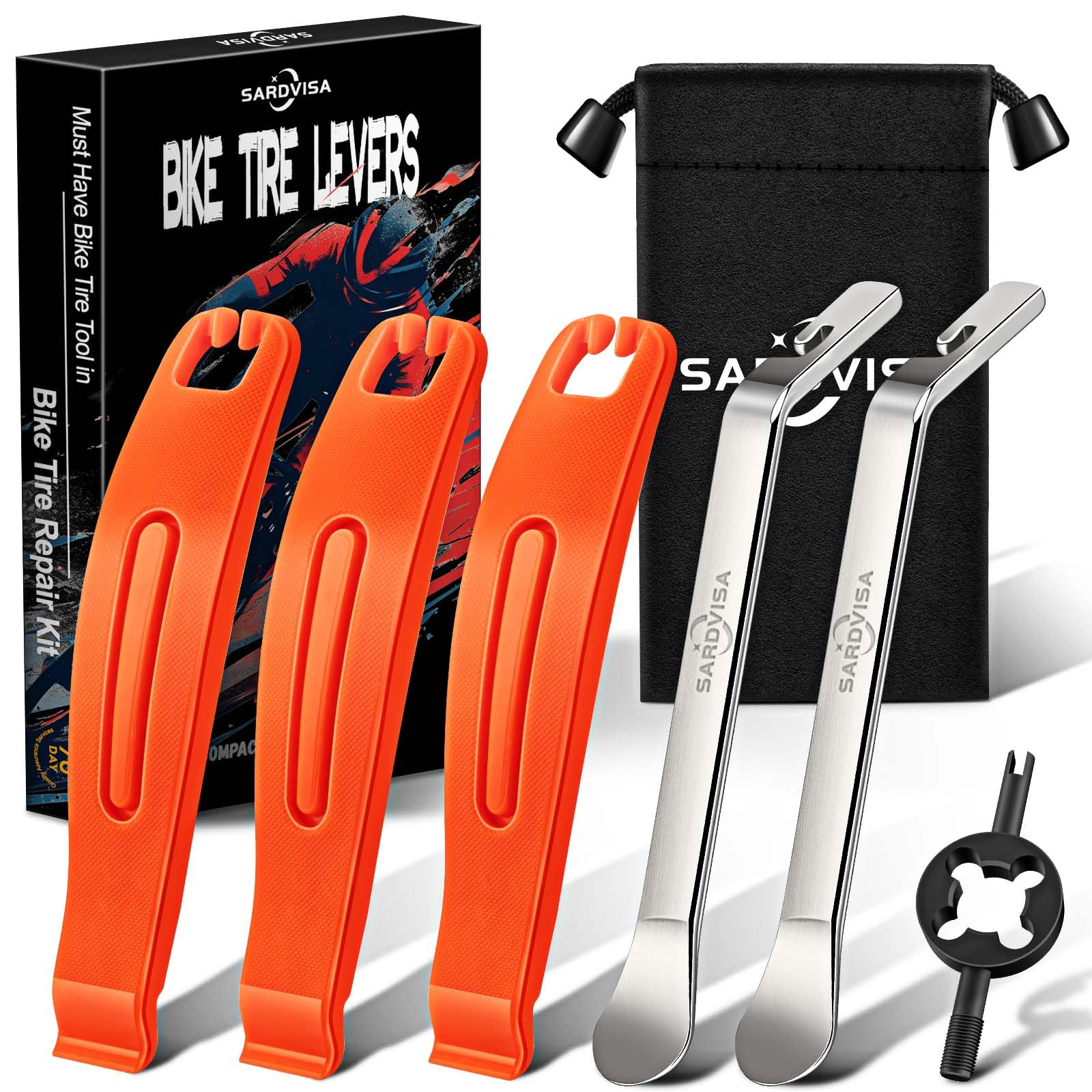
A tight bicycle tire can turn a simple tube change into a frustrating roadside job, especially when one lightweight lever is not strong enough. The SARDVISA Bike Tire Lever Kit combines three smooth composite plastic levers with two stainless steel tire spoons, plus a valve core wrench and a drawstring bag. That mix gives you a rim-friendlier option for routine work and a stronger backup for stubborn beads. The tradeoff is that the exposed metal spoons require more care around carbon rims, soft alloy, painted finishes, and inner tubes.
Quick Verdict
Rating: 8.2/10, recommended with caveats
Best For: Riders who want both plastic levers and stronger metal spoons in one compact bicycle tire-removal kit
Bottom Line: The mixed-material design is more versatile than a basic plastic-only set and includes useful extras for valve and storage tasks. It is less suitable for riders who want only non-marring tools or who work on delicate rims without added rim protection.
Key Specifications
| Specification | Detail |
|---|---|
| Brand | SARDVISA |
| Product type | Bicycle tire lever and tire spoon kit |
| Variant | 5-Pack Value Kit |
| Tire-removal tools | 3 composite plastic levers and 2 stainless steel spoons |
| Additional items | 1 valve core wrench and 1 drawstring storage bag |
| Materials | Abrasion-resistant composite plastic and stainless steel |
| Color | Orange and silver |
| Listed compatibility | Road and mountain bicycle tires |
| Best use | Tube changes, tire removal, valve-core service, and compact ride-kit storage |
| Important note | The “5-pack” counts the five levers and spoons, not the wrench and bag |


What Is the SARDVISA Bike Tire Lever Kit?
This SARDVISA set is a compact bicycle tire-removal kit built around two tool types. The three orange plastic levers have smooth surfaces and molded grip texture for routine bead removal, while the two silver stainless steel spoons provide added stiffness when a bead is too tight for a light lever.
The package also includes a small valve core wrench and a drawstring bag. That makes it more complete than a basic lever set, but it is still only part of a full puncture kit. You will need a compatible spare tube or patch kit, a pump or inflator, and any wheel-removal tool your bicycle requires.
Who Should Buy It?
Best For
- Road and mountain bike riders who want more leverage than a plastic-only set can offer
- Home mechanics who service several tire and rim combinations
- Riders building a compact repair bag that also needs a valve core wrench
Skip If
- You want only plastic or composite tools for delicate carbon or painted rims
- You need a complete flat-repair kit with patches, a spare tube, and inflation equipment
- Your wheel or tire maker specifically warns against exposed metal tire tools
Before You Buy: The stainless steel spoons can provide useful leverage, but exposed metal may scratch a rim, damage rim tape, or pinch a tube if it slips. Check your rim maker’s instructions and use the plastic levers first.
Build Quality and Materials
Composite Plastic Levers
The three plastic levers are the safer starting point for most tire jobs. Their smooth, self-lubricating composite surfaces are designed to slide along the bead with less friction, and the rounded profile is less likely than bare metal to mark a rim. The molded texture also gives your fingers a more secure grip when your hands are wet or dirty.
Plastic still has a limit. A very tight bead can flex a lever heavily, and forcing one tool into a poor angle raises the chance of breakage. The better approach is to fully deflate the tire, move the bead into the rim’s center channel, and use two levers a short distance apart instead of twisting one lever harder.
Stainless Steel Tire Spoons
The two steel spoons are the strength-focused part of the kit. They resist flex better than the plastic pieces, so they can help when a bead remains stubborn after proper preparation. Their main downside is surface contact: steel is harder than many rim finishes and can concentrate force at the edge of the rim.
Use them as a backup rather than the first tool you reach for. They make the most sense on durable rims when the tire is already fully deflated and the bead has been pushed inward. For carbon rims, soft alloy rims, or decorative finishes, follow the wheel maker’s guidance and consider an all-composite alternative.
Valve Core Wrench and Drawstring Bag
The valve core wrench can speed complete deflation on compatible removable valve cores and can help with basic tubeless valve service. It does not make every valve removable, so do not force it on a fixed core. The drawstring bag keeps the loose tools together in a saddlebag, backpack, or workshop drawer, although it does not mount rigidly to a bike frame.
Ease of Use and Tire Compatibility
The listing identifies road and mountain bicycle tires as the main use. In practice, the required force depends on the exact tire and rim combination, bead construction, rim depth, temperature, and whether the bead is sitting in the center channel. A wider mountain tire may be easy to remove, while a narrow road tire on a tight rim can require careful use of two or more levers.
The tools are intended for bicycle tires, not motorcycle, car, or heavy equipment tires. They may also help with some tubeless bicycle setups, but the kit does not include sealant, a syringe, rim protection, or an inflator. Treat the valve wrench as an accessory, not proof that the set is a complete tubeless service kit.
How It Performs in Real Use
For a Routine Roadside Tube Change
The plastic levers are the most practical choice for a normal puncture. They are light, easier on the rim, and supplied as a set of three, so you can hold one section of bead while moving another lever around the wheel. The bag helps prevent a small wrench or lever from disappearing at the bottom of your pack.
For a Tight Road Tire
A tight road bead is where the mixed kit earns its place. Start with the plastic tools and correct bead positioning. If the bead still will not lift, one steel spoon can provide extra stiffness, but the margin for scratching or tube damage becomes smaller, so slow, shallow movements matter more than raw force.
For Mountain Bike Maintenance
Many mountain bike tires have enough casing volume to manipulate by hand once fully deflated, but some reinforced or tubeless-ready beads can remain firm. The valve core wrench is useful when a removable core needs to come out for faster deflation or sealant service. Keep the valve away from pooled sealant before opening a tubeless setup.
For Home Workshop Use
At home, the kit works well as a flexible backup set because you can choose between rim-friendlier plastic and stronger steel. It is less refined than a shop tool with protected steel cores or dedicated rim guards, but the combination covers more situations than one basic lever type alone.
How to Use It Correctly
- Remove all air. Even a small amount of remaining pressure can keep the bead tight against the rim.
- Push the bead inward. Work around both sides of the tire and move the bead toward the rim’s center channel, where the effective diameter is smaller.
- Start opposite the valve. Insert a plastic lever under one bead, not under the tube, and lift only a small section over the rim.
- Add a second lever nearby. Space it a short distance from the first and advance in small steps instead of applying excessive force to one point.
- Use steel only when needed. Protect the rim surface, keep the spoon shallow, and stop if the tool is contacting rim tape or pinching the tube.
- Inspect before inflation. Confirm that the tube is not trapped and that the bead sits evenly on both sides of the rim.
Pro Tip: Most difficult tire removals become easier when you push the entire bead into the rim’s center channel before using more force. This creates slack and reduces stress on the lever, tube, and rim.
Compatibility and Safety
Use the SARDVISA tools only after confirming that the tire is fully deflated and the wheel is stable. Do not substitute screwdrivers, knives, or other sharp objects. When reinstalling a tube, use your hands for as much of the final bead as possible and inspect both sides before inflating.
Metal tire tools are not appropriate for every rim. Some tire and wheel manufacturers advise against exposed metal because it can damage the bead, rim surface, or rim tape. Follow the instructions for your specific wheel and tire, especially with carbon rims, hookless systems, and tubeless setups.
[Products Worth Considering]

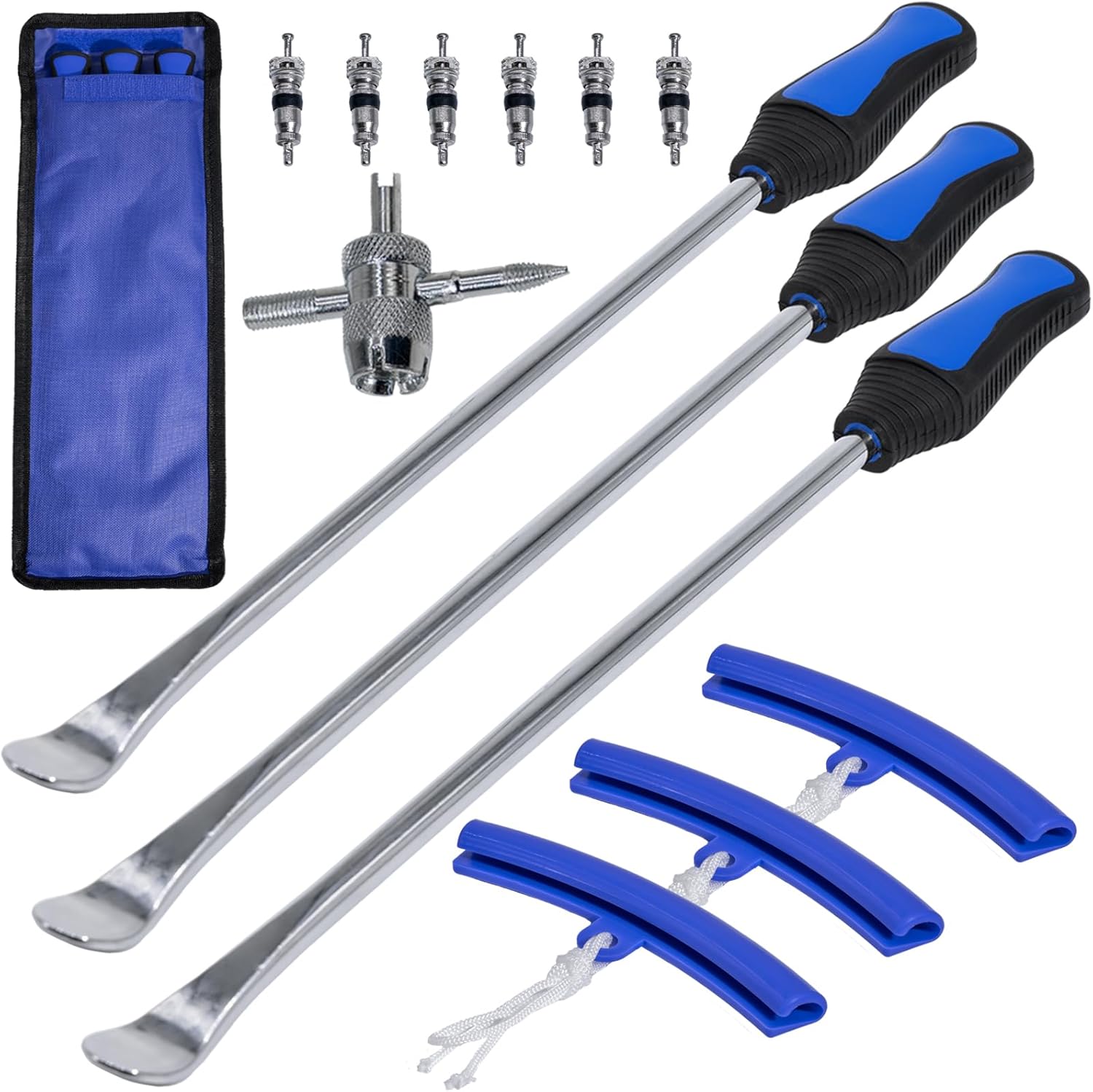
This 4-pack kit converts Presta bike valves to standard Schrader valves so you can inflate with any regular pump or air compressor. The solid brass adapters include an O-ring for a tight, leak-proof seal and provide a simple screw-on setup. Compatible with road bikes, mountain bikes, e-bikes, and e-scooters, it’s designed for convenient, everyday carry readiness.
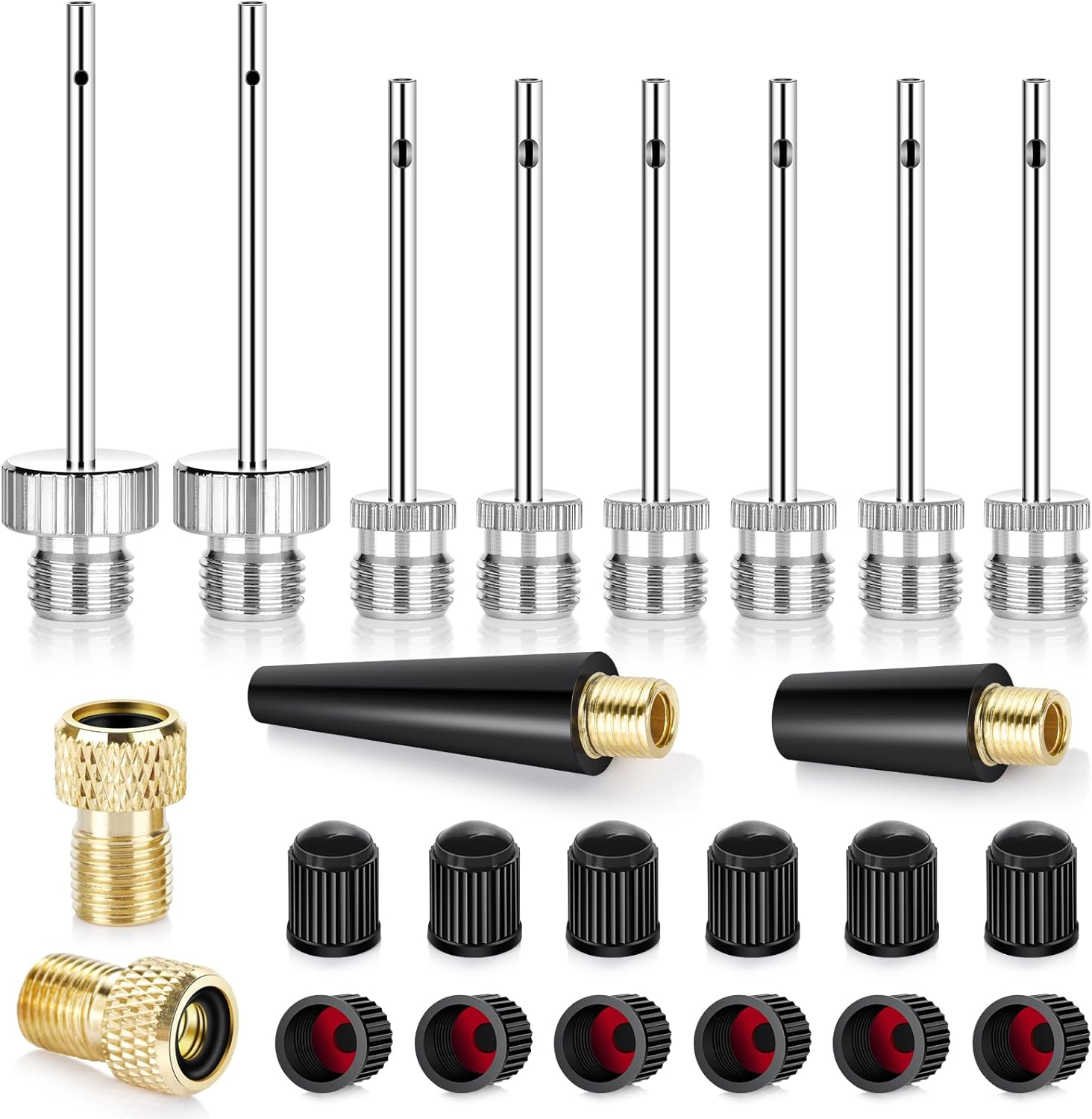
This ball pump needles kit includes brass ball needles for inflating footballs, soccer balls, basketballs, and volleyballs, plus conical nozzles for air mattresses, exercise balls, balloons, and swim rings. It also offers Presta to Schrader valve adapters for easy use with compatible bikes and rideables. The set includes sealed valve caps and a storage case, helping keep your equipment organized and ready to inflate quickly.
What People Say
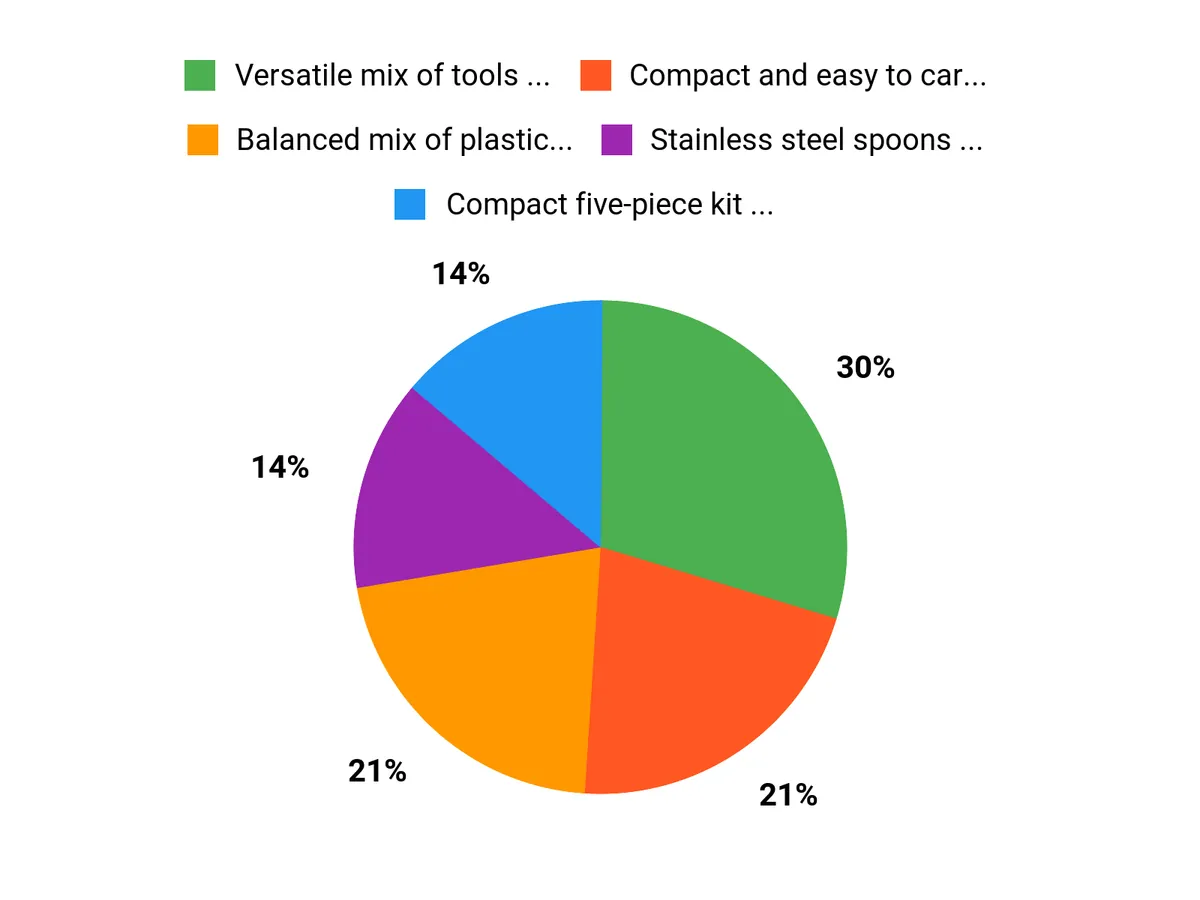
The buyer-feedback summary supplied with the source article is positive overall. Riders tend to value the choice between smooth plastic levers and stronger steel spoons, along with the included valve core wrench and storage bag.
The recurring limitation is also clear: plastic can struggle on unusually tight beads, while exposed steel demands more care around the rim and tube. That makes the set versatile, but not equally suitable for every wheel finish or rider skill level.
Overall Sentiment: Positive

Pros and Cons
Pros
- Includes three rim-friendlier composite levers for routine tire removal
- Adds two stainless steel spoons for beads that need more stiffness
- Valve core wrench supports faster deflation and compatible valve service
- Drawstring bag keeps all loose pieces together during travel or storage
- Mixed tool design suits more tire situations than a basic one-material set
Cons
- Bare steel spoons can scratch delicate rims or damage rim tape if used carelessly
- The set does not include patches, a spare tube, inflation equipment, or rim guards
- A soft drawstring bag is easy to pack but does not attach securely to a frame
Is It Worth the Price?
The SARDVISA set is positioned as a value-focused kit rather than a premium shop tool. Its main value comes from giving you two levels of leverage in one package, plus a valve core wrench and storage bag. That can save you from carrying separate plastic and metal sets.
It is a smart buy for riders who regularly encounter different tire and rim combinations and understand when not to use bare steel. It is not the best fit if your priority is maximum rim protection, a complete puncture-repair system, or a rigid frame-mounted case.
How It Compares to Alternatives
Park Tool TL-1.2 levers and Schwalbe Tire Levers are plastic-only alternatives that place more emphasis on compact storage and rim-friendly handling. They may be a better match for delicate wheels or riders who prefer to avoid exposed metal, but they do not provide the same steel-spoon backup or included valve core wrench.
The SARDVISA kit makes the most sense when versatility matters more than a single refined lever design. Riders who work mostly on one wheelset may prefer a dedicated lever recommended by that wheel or tire manufacturer.
Frequently Asked Questions
What exactly is included in the SARDVISA kit?
You receive three composite plastic tire levers, two stainless steel tire spoons, one valve core wrench, and one drawstring bag. The “5-pack” description counts the five tire-removal tools, while the wrench and bag are additional pieces.
Will these tools work on road and mountain bike tires?
Road and mountain bicycle tires are the listed uses. Actual difficulty depends on the tire and rim combination, so fully deflate the tire and move the bead into the center channel before deciding that you need the steel spoons.
Can I use the stainless steel spoons on carbon rims?
Do not assume that exposed steel is safe for a carbon rim. Check the wheel maker’s instructions first, and choose a plastic or composite lever when the manufacturer warns against metal tools or when the finish is easily damaged.
Is this a complete flat-tire repair kit?
No. It helps remove a bicycle tire and service a compatible valve core, but it does not include a patch kit, spare tube, pump, inflator, sealant, or wheel-removal wrench.
Does the valve core wrench work with every bicycle valve?
It works only with compatible removable valve cores. Some Presta and Schrader valves have fixed or different core designs, so stop if the wrench does not fit cleanly and follow the valve manufacturer’s instructions.
What is the safest way to remove a tight tire?
Remove all air, push both beads toward the rim’s center channel, and begin opposite the valve with a plastic lever. Work in small sections with a second lever rather than twisting one tool hard against the rim.
Who should skip this kit?
Skip it if you need a full puncture kit or if your wheels require non-metal tools. It may also be more equipment than necessary if one trusted plastic lever set already handles every tire you own.
Why Riders Choose It
The SARDVISA kit gives you a practical choice between three smooth composite levers and two stronger stainless steel spoons. The valve core wrench and bag add useful function without taking much room, which makes the set appealing for riders who want a flexible tire-removal kit instead of one lever type.
The Bottom Line
The SARDVISA Bike Tire Lever Kit is recommended with caveats for road and mountain bike riders who want both rim-friendlier plastic tools and stronger steel backups. Its main strength is the versatile seven-item package, while its main limitation is the care required when exposed steel meets a delicate rim or tube. Choose an all-composite set instead if maximum surface protection matters more than added leverage.
Ready to Buy?
Check the latest price, seller details, and current product information before you decide.

Related Articles

HPBS 6000A Jump Starter with Air Compressor Review: 150 PSI Tire Inflator and Jump Box
You want a compact, reliable solution when a dead battery or a flat tire threatens your plans. The HPBS 6000A combines a 12 volt…
Read More
ALL-TOP 4 Tire Inflation and Deflation System Review: 200-Inch Wheelbase Air Up Down Kit
If you spend time off road, towing, or running long-wheelbase rigs, you know how much of a hassle airing tires up and down can…
Read More
Cimesen 150 PSI Tire Inflator Review: Cordless Portable Air Compressor for Cars and Bikes
You want a small, dependable way to keep tires and sports gear properly inflated without running to a gas station or lugging a bulky…
Read More