
Transeagle TE898 Tire Review
Disclosure: As an Amazon Associate, we earn from qualifying purchases. If you click a link on this page and make a purchase, we may receive a small commission at no extra cost to you.
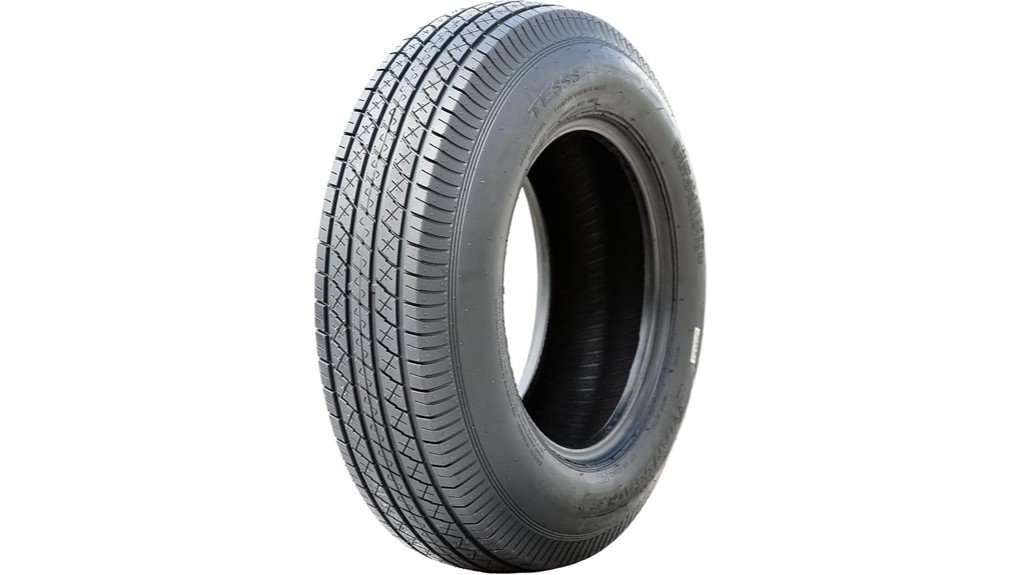
Choosing a trailer tire is mostly a fit-and-capacity decision, not a styling choice. The Transeagle TE898 gives you a 175/80D13 bias-ply option with Load Range C capacity, a 75 mph L speed rating, and a tread designed for highway trailer use. This review helps you decide whether those specifications match your utility, cargo, or boat trailer. Its main strengths are straightforward sizing and useful load capacity, while its bias construction and 1,356-pound per-tire limit make it less suitable for heavy trailers or frequent long-distance towing.
Quick Verdict
Rating: 8/10, Recommended with caveats
Best For: Small utility, cargo, and boat trailers that specify a 175/80D13 Load Range C tire.
Bottom Line: The TE898 offers clear fitment, a 1,356-pound maximum load rating, and an L speed rating for normal trailer duty. The tradeoff is its bias-ply construction, which may not be the first choice for frequent long highway trips when a compatible radial tire is available.
| Specification | Detail |
|---|---|
| Brand | Transeagle |
| Model | TE898, manufacturer part number TEB65 |
| Product type | Special Trailer highway tire |
| Size | 175/80D13, also listed as 175/80-13 |
| Construction | Bias-ply, diagonal construction |
| Load range | C, 6-ply rated |
| Load and speed index | 91/87L |
| Maximum single-tire load | 1,356 pounds |
| Listed maximum pressure | 50 psi |
| Speed rating | L, up to 75 mph under rated conditions |
| Rim diameter and listed width | 13-inch rim, 5-inch listed rim width |
| Overall diameter | Approximately 24 inches |
| Tread depth | 7/32 inch, approximately 5.56 mm |
| Season and performance | All-season, highway trailer use |
| Package contents | One tire; wheel and rim are not included |
Key Takeaways
- The Transeagle TE898 is a 175/80D13 bias-ply tire made specifically for trailers, not cars or light trucks.
- Its Load Range C, 6-ply-rated construction supports up to 1,356 pounds per tire when properly fitted and inflated.
- The L speed rating is listed for speeds up to 75 mph, but your trailer, wheel, axle, road, and local limits may require a lower speed.
- The symmetric tread and grooves are designed for dry and wet highway use, including water and slush evacuation.
- You should buy it only after confirming the exact tire size, rim fit, load capacity, construction type, and cold inflation requirement for your trailer.
[Products Worth Considering]

Mount your spare tire directly to the inside wall of an enclosed trailer or garage to save space and keep your tire secure. This wall-mount spare tire carrier is designed for universal trailer tire fit and includes a fixed plate and chute for convenient screw replacement. Nylon insert hex lock nuts help prevent the tire from falling off, and wing hardware enables faster load and unload during maintenance.
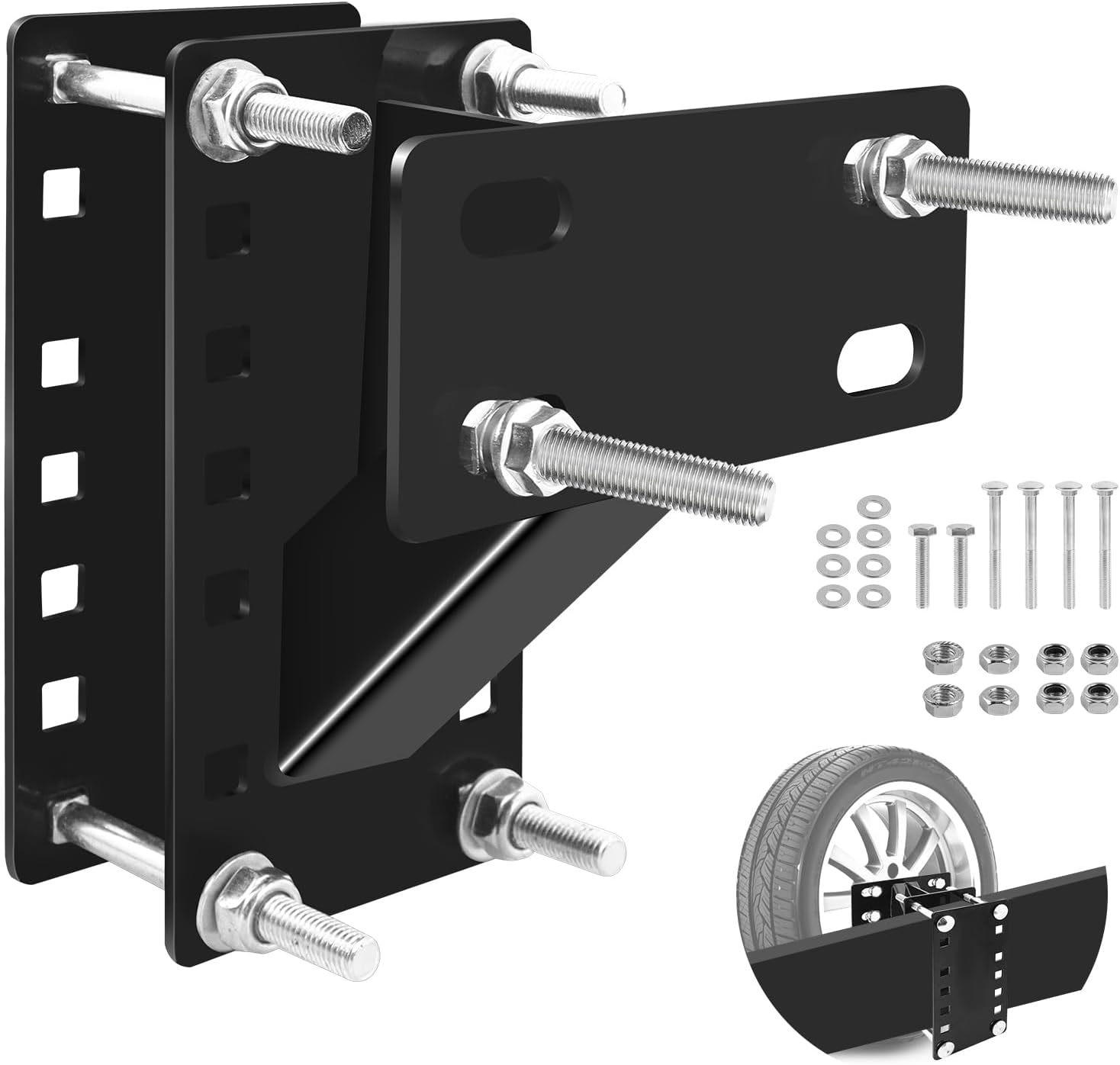
This universal spare tire mount carrier holder is built for utility trailers and boat trailers, offering a secure fit for 4, 5, and 6 lug wheels. It supports multiple bolt pattern sizes and a heavy-duty load capacity while resisting rust with a durable finish. The design allows easy installation and lets you choose the steel beam height for a better fit.

This universal spare tire mount fits 4, 5, and 6 lug trailer wheels with bolt patterns from 4" to 5.5" and helps keep your tire securely locked in place. Its reinforced triangular structure with a sturdy behind plate is designed to handle up to 150 lbs, making it suitable for boat, camper, and RV spare tire mounting. The angled raised design reduces wind resistance and installation is straightforward with different length bolts and no drilling required.
What Is the Transeagle TE898?
The Transeagle TE898 is an all-season Special Trailer tire in size 175/80D13. The letter “D” identifies diagonal, or bias-ply, construction, while “13” identifies the rim diameter. It is intended for highway trailer service and should not be mounted on a passenger vehicle or light truck.
This version carries a Load Range C rating, a 6-ply rating, a 91/87L load and speed marking, and a maximum single-tire capacity of 1,356 pounds. The approximate 24-inch overall diameter and 175 mm section width make it a common fit for smaller trailers, but size alone is not enough. Your trailer placard, wheel width, axle ratings, and required capacity must all agree with the replacement tire.
Who Should Buy It?
Best For
- Owners replacing a 175/80D13 Load Range C trailer tire with matching specifications.
- Small utility, cargo, and boat trailers that stay within the tire, axle, and trailer load limits.
- Intermittent towing where a straightforward bias-ply trailer tire fits the manufacturer’s requirements.
Skip If
- Your trailer requires a radial 175/80R13 tire, a higher load range, or a higher speed rating.
- Your measured axle load could exceed the combined rated capacity of the tires on that axle.
- You need a tire-and-wheel assembly, because this listing is for the tire only.
Before You Buy: Do not treat “175/80-13” as the only fitment requirement. Confirm the D bias-ply construction, Load Range C capacity, wheel compatibility, trailer placard pressure, and clearance before ordering.
Load Capacity and Towing Stability
The TE898 is rated to carry up to 1,356 pounds per tire in single-tire service under the listed conditions. Two tires therefore have a combined tire rating of 2,712 pounds, while four have a combined rating of 5,424 pounds. Those numbers are only tire totals, not automatic trailer payload limits. Your trailer’s GVWR, GAWR, wheels, hubs, bearings, suspension, hitch, and actual scale weights may impose lower limits.
The 6-ply rating describes the tire’s load-strength category rather than the literal number of fabric layers in every part of the casing. Its bias construction gives the casing a firm, interconnected feel that can suit utility and boat trailers, especially when trips are shorter or surfaces are less polished. It does not eliminate sway. Trailer sway is also affected by tongue weight, cargo placement, hitch setup, speed, wind, suspension condition, and tire pressure.
Bias-Ply Construction: Strengths and Tradeoffs
The “D” in 175/80D13 matters. It means the casing uses diagonal bias plies rather than the radial construction identified by an “R.” Bias-ply trailer tires are often chosen for firm sidewalls, simple construction, and intermittent service. They can also transmit more road texture and build more heat than comparable radial tires during sustained high-speed highway travel.
That tradeoff makes the TE898 a sensible match when your trailer already specifies a bias tire and your towing pattern is moderate. A compatible 175/80R13 radial alternative may be worth comparing for frequent long-distance highway use, but you should not casually mix radial and bias tires on the same trailer. Match size, construction, load range, and tread type across an axle, and follow the trailer and tire manufacturers’ guidance.
Tread Design and Wet-Road Performance
The TE898 uses a symmetric tread pattern with grooves, notches, and siping intended to maintain contact in dry and wet conditions. The channels give water and slush a path away from the footprint, while the outer ribs support consistent tracking under normal trailer loads.
“All-season” does not make this a dedicated winter tire. It may handle occasional light snow or slush better than a worn or unsuitable tire, but braking and control still depend on the tow vehicle, road surface, speed, trailer brakes, and available grip. In severe winter weather, delaying the trip is often the safer choice.
How It Performs in Real Use
[Products Worth Considering]

Secure a full-size spare on your trailer with this powder-coated steel spare tire mount bracket. It fits most 4-, 5-, and 6-lug wheel bolt patterns and mounts to trailer tongues up to 4 in wide and 5 in tall. Built for reliable carry with a max 150 lb load rating and includes zinc-plated hardware for straightforward installation.

Mount your spare tire off the floor and onto your wall using an e-track spare tire carrier that helps you stay organized in trailers, garages, and warehouses. The upgraded double-fittings design improves stability versus single-fittings and supports greater load bearing. Install by snapping into e-track anchor points and securing the tire with a lug-nut style bolt setup for quick, secure storage.
For Utility Trailer Errands
On a small utility trailer carrying tools, yard equipment, or household materials, the TE898 provides useful capacity when the loaded axle weight stays within the tire and axle ratings. Its 24-inch diameter also helps preserve normal fender clearance when replacing the same listed size.
For Boat Trailer Trips
The tire’s highway tread and water-channeling grooves fit normal paved travel to and from a launch. You should still inspect for cracking, corrosion around the wheel and valve stem, and pressure loss after storage. A tire can look usable while being underinflated or aged.
For Highway Towing
The L rating is listed for up to 75 mph under rated conditions, but that number is a maximum capability, not a recommended cruising target. Heat, load, pressure, pavement temperature, trailer condition, and legal speed limits all matter. Drivers who tow long distances often may prefer to compare a compatible radial alternative.
For Wet Roads and Light Slush
The symmetric pattern and open grooves are designed to clear water and slush from the footprint. That can support more predictable tracking, but it cannot overcome standing water, ice, worn tread, excessive speed, or poorly adjusted trailer brakes.
Fitment Tips Before Installation
- Read the trailer placard: Confirm the specified tire size, cold inflation pressure, GVWR, and GAWR.
- Check the complete marking: Match 175/80D13, Load Range C, and the required load and speed rating, not just the 13-inch rim diameter.
- Verify the wheel: Confirm rim width, diameter, pressure rating, valve stem rating, bolt pattern, and clearance.
- Measure the loaded trailer: A public scale gives better information than estimating cargo weight. Keep each axle and tire position within its rating.
- Match tires across the axle: Avoid mixing sizes, construction types, load ranges, or major tread differences unless the trailer manufacturer specifically approves it.
- Use professional mounting: The tire should be mounted, inflated, and balanced by a qualified tire technician using a compatible wheel and valve stem.
Pro Tip: Photograph the existing tire sidewall and trailer placard before shopping. Compare every character, including the D or R construction letter, load range, load index, speed rating, and pressure information.
Inflation, Inspection, and Safety
The listing identifies 50 psi as the tire’s maximum pressure, but you should use the cold inflation pressure specified for the trailer and tire combination. Do not guess based on appearance, and do not use the tow vehicle’s door-jamb pressure for the trailer. Check pressure when the tires are cold and before every towing day, especially after long storage or major temperature changes.
Inspect the tread, sidewalls, valve stems, and wheels for cuts, bulges, cracking, embedded objects, uneven wear, and impact damage. Replace a tire that is damaged or worn to its treadwear indicators. Also check lug-nut torque, wheel bearings, trailer brakes, and cargo securement according to the trailer manufacturer’s schedule.
Never exceed the tire’s load or speed rating. Keep in mind that a speed rating does not account for every real-world condition, and a tire’s capacity depends on correct pressure and fitment. If the trailer wanders, vibrates, runs hot, or wears tires unevenly, stop and inspect the setup rather than assuming a new tire alone will solve the problem.
Pros and Cons
Pros
- Common 175/80D13 size for many smaller utility, cargo, and boat trailers.
- Load Range C capacity of up to 1,356 pounds per tire.
- L speed rating listed for up to 75 mph under rated conditions.
- Symmetric all-season tread with grooves for water and slush evacuation.
- Clear trailer-only design helps prevent confusion with passenger-vehicle tires.
Cons
- Bias-ply construction may be less appealing than a radial tire for frequent long highway trips.
- Load Range C is not enough for trailers that require a higher per-tire capacity.
- The wheel is not included, and a treadlife warranty is not clearly listed.
Is It Worth the Price?
The TE898 is positioned as a practical replacement tire rather than a premium long-distance upgrade. It offers strong value for the price when you need its exact 175/80D13 bias-ply size, Load Range C rating, and 1,356-pound capacity. You get a clearly defined trailer tire without paying for a wheel assembly you may not need.
The value is weaker if you tow long distances every week, need a higher load range, or prefer radial construction. In those cases, compare the total cost of the correct tire, professional mounting, valve stem, balancing, and any wheel replacement before deciding.
How It Compares to Alternatives
The Kenda Loadstar K550 is a direct bias-ply alternative in ST175/80D13 Load Range C. It is rated at 1,360 pounds and 50 psi, with an 81 mph M speed rating in this size, so it may appeal to buyers who want a higher listed speed rating from a long-established trailer-tire line.
The Carlstar Sport Trail LH is another ST175/80D13 Load Range C bias option, also rated at 1,360 pounds and 50 psi, with 8/32-inch tread and an 81 mph rating. For frequent long highway trips, a compatible ST175/80R13 radial tire is also worth comparing. The Transeagle TE898 makes the most sense when its exact fit, 75 mph rating, and budget-focused bias construction match your trailer’s requirements.
Frequently Asked Questions
Does the Transeagle TE898 include a wheel?
No. The listing is for one tire only, and the rim is not included. Confirm that your existing wheel is the correct diameter, width, pressure rating, and condition before mounting the tire.
Is the TE898 a radial tire?
No. The D in 175/80D13 identifies diagonal, or bias-ply, construction. A radial version would use an R in the size, such as 175/80R13.
Can you use the TE898 for highway towing?
It is listed as a highway trailer tire with an L speed rating of up to 75 mph under rated conditions. You must still follow the lowest applicable limit set by the trailer, wheels, axles, road, weather, and local law.
What pressure should you use?
The listing states a 50 psi maximum. Use the correct cold pressure specified for your trailer and tire setup, and never exceed the tire or wheel limit. Check pressure before towing, not after the tire has heated on the road.
Can it be used on a dual-axle trailer?
Yes, when the trailer calls for this exact size and the tires provide enough capacity for each axle and wheel position. Use matching tires across the axles, and remember that combined tire capacity does not override the trailer’s GVWR or axle ratings.
Is it suitable for snow?
The all-season tread is designed to handle wet roads, slush, and occasional light snow. It is not a dedicated winter tire, and you should not rely on it to make icy or severe winter towing safe.
Does the TE898 have a treadlife warranty?
A treadlife warranty is not clearly listed in the available specifications. A seller’s return policy is not the same as a manufacturer tire warranty, so review the current seller and manufacturer terms before ordering.
Can you mount it on a car or light truck?
No. The TE898 is made for trailer service and is specifically listed as unsuitable for light-truck mounting. Use tires approved for the vehicle type shown on the vehicle placard and in the owner’s manual.
The Bottom Line
The Transeagle TE898 is a solid choice for a small trailer that specifically requires a 175/80D13 Load Range C bias tire. Its clear 1,356-pound capacity, 75 mph L rating, and all-season highway tread are useful strengths, but buyers who tow heavier loads or spend long hours at highway speed should compare higher-capacity or radial alternatives.

Related Articles
Green Max GTL202 Tire Review: Performance Insights
I review the Green Max GTL202’s load, wet grip, and highway manners to reveal whether this trailer tire truly earns fleet trust.
Read More
Landspider Citytraxx H/T Tire Review
Curious if the Landspider Citytraxx H/T delivers on a budget? Discover the grip, comfort, and trade-offs before you decide.
Read More
GT Radial Savero HT2 Tire Review
Never settle for guesswork—discover what the GT Radial Savero HT2 really delivers in wet, dry, and everyday driving before you buy.
Read More