
Fullway PC369 Tire Review: Performance Insights
Disclosure: As an Amazon Associate, we earn from qualifying purchases. If you click a link on this page and make a purchase, we may receive a small commission at no extra cost to you.
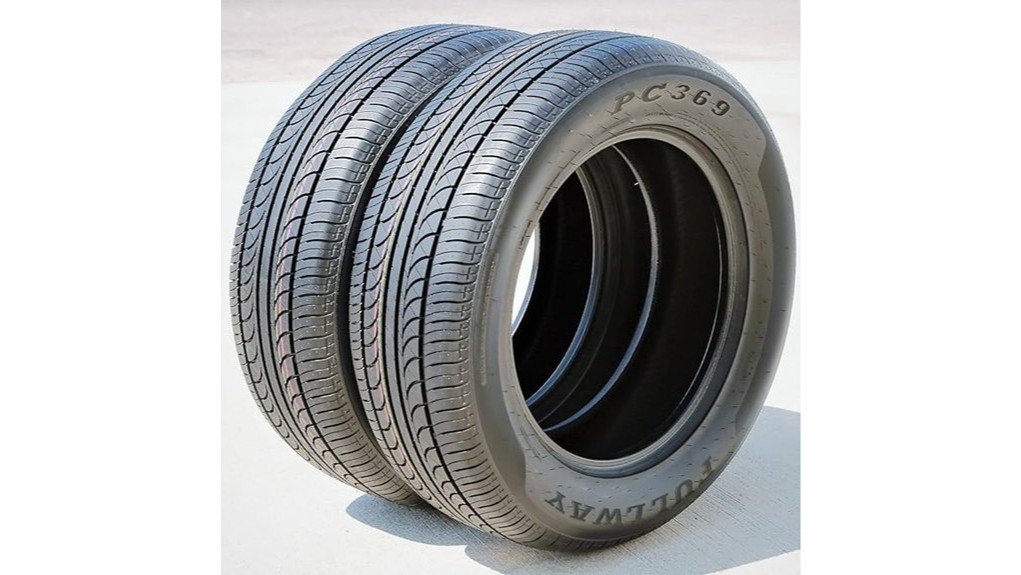
Buying replacement tires on a tight budget involves more than matching the three numbers printed on the sidewall. The Fullway PC369 is sold here as a set of two 225/65R17 all-season tires with a 102H service description, Standard Load construction, and a 380 A A UTQG grade. It offers practical specifications for routine road use, but it does not come with a verified mileage warranty or the documented testing history of many premium touring tires. This review explains its fitment, strengths, limitations, and safety considerations so you can decide whether the lower-cost package suits your vehicle.
Quick Verdict
Rating: 7.4/10, Recommended with caveats
Best For: Budget-focused drivers who need two correctly sized 225/65R17 102H tires for normal commuting and highway use.
Bottom Line: The Fullway PC369 provides a useful combination of 102H capacity, all-season construction, and two-tire packaging. Its main tradeoffs are the lack of a verified tread-life warranty, limited independent performance data, and suitability for only mild winter conditions.
Fullway PC369 Tire Specs
| Specification | Detail |
|---|---|
| Brand | Fullway |
| Model | PC369 |
| Manufacturer part number | PC3691717 |
| Package quantity | 2 tires, wheels not included |
| Tire size | 225/65R17 |
| Service description | 102H |
| Load capacity | 1,874 pounds per tire under rated conditions |
| Load range | SL, Standard Load |
| Ply rating | 4-ply rated, not necessarily four physical casing plies |
| Speed rating | H, rated up to 130 mph under controlled conditions |
| UTQG | 380 A A |
| Season | All season |
| Construction | Radial |
| Tread type | Symmetrical |
| Sidewall | Black sidewall |
| Overall diameter | Approximately 28.5 inches |
| Approved rim-width range | 6 to 8 inches |
| Maximum tire pressure | 44 PSI, not the recommended vehicle inflation pressure |
| Run-flat design | No |
| Verified mileage warranty | Not specified |
[Products Worth Considering]

The Continental Grand Prix 5000 is an allround road bike tire engineered for faster rolling, improved ride comfort, and enhanced puncture protection. It features a Vectran Breaker cut-protection layer, Lazer Grip micro-profile tread for confident cornering control, and Active Comfort Technology to damp vibration for smoother rides. BlackChili compound optimizes grip and speed for everyday performance and long-lasting confidence.

Monitor tire tread wear with a smart, color-coded depth gauge that shows clear condition ranges at a glance. The bar is range marked for fast, easy readings, helping you maintain safer traction and performance. Each gauge is portable with a pocket clip, and the set includes 20 units for daily use and sharing.

The Trivd Frol 1/2" air impact wrench delivers high performance torque up to 1500 ft-lbs with a twin hammer impact mechanism for strong, balanced blows. It features an ergonomic grip, compact lightweight design, and quick-stop control with 3 forward speeds up to 8000 RPM plus a reverse speed. Built for demanding automotive repair and tire shop work, the rear exhaust helps keep debris away from the surface.
Key Takeaways
- The package contains two Fullway PC369 tires, not a complete four-tire set and not wheels.
- The verified specification is 225/65R17 102H with a 380 A A UTQG grade.
- The 102 load index represents a maximum rated capacity of 1,874 pounds per tire under the correct conditions.
- The symmetrical all-season tread is intended for normal paved-road use in dry, wet, and mild cold-weather conditions.
- No verified mileage warranty or independent braking, snow, or cabin-noise test was found.
What Is the Fullway PC369?
The Fullway PC369 is a radial all-season tire offered in several passenger and crossover sizes. This listing packages two tires in the 225/65R17 size, with a 102 load index and H speed rating. Its black sidewall and symmetrical tread give it a conventional appearance that works with many everyday crossovers and SUVs.
The PC369 is aimed at drivers who prioritize basic road performance and lower replacement cost over a long mileage warranty or premium-brand testing record. It is not a run-flat tire, an all-terrain tire, or a dedicated winter tire.
Before You Buy: Matching 225/65R17 alone is not enough. Confirm the size, load index, speed rating, rim width, and tire type listed on your driver-door placard or in the owner’s manual. Vehicle year, trim, drivetrain, and optional wheel packages can change the required tire specification.
Who Should Buy It?
Best For
- Drivers whose vehicles specifically accept 225/65R17 102H Standard Load tires.
- Commuters who mostly drive on paved city streets and highways.
- Budget-focused buyers who need a two-tire replacement package.
Skip If
- You need a documented mileage warranty or extensive independent test data.
- You regularly drive through deep snow, packed ice, mud, or rough off-road terrain.
- Your vehicle requires an XL tire, a higher load index, a different speed rating, or a run-flat tire.
Fit and Compatibility
The 225/65R17 marking identifies a tire that is 225 millimeters wide, has a sidewall height equal to 65 percent of its width, uses radial construction, and mounts on a 17-inch wheel. The PC369 has an overall diameter of about 28.5 inches and an approved rim-width range of 6 to 8 inches.
Do not assume that every crossover using a 17-inch wheel can accept this tire. The replacement must meet or exceed the vehicle manufacturer’s required load capacity and should use an approved speed rating. All-wheel-drive vehicles may also have strict limits on tread-depth and circumference differences between tires.
Pro Tip: Photograph the driver-door tire placard and your current tire sidewall before ordering. Compare the full service description, not only the 225/65R17 size, and ask your installer about drivetrain-specific matching requirements.
Symmetrical Tread and All-Season Use
A symmetrical tread uses a similar block arrangement across the tread face. This layout can simplify rotation patterns and is commonly used for everyday touring and performance tires. Regular rotation remains necessary because alignment, suspension condition, vehicle weight, and driving habits can still produce uneven wear.
The all-season designation means the tire is designed for a range of normal dry, wet, and mild cold-weather conditions. It does not mean the PC369 will match a dedicated winter tire on packed snow, deep snow, or ice. Drivers facing severe winter weather should compare purpose-built winter tires approved for their vehicle.
Understanding the 380 A A UTQG Grade
The verified UTQG grade is 380 A A. The 380 treadwear number is a comparative laboratory rating, not a promise that the tire will last 38,000 miles or any other fixed distance. Actual service life depends on inflation, rotation, alignment, road surface, climate, load, and driving style.
The first A represents the government traction grade, which relates to straight-line wet braking under controlled test conditions. It does not measure cornering grip, hydroplaning resistance, snow performance, or braking on every real road. The second A is the temperature grade, which reflects the tire’s ability to resist heat under specified test conditions.
Load Capacity, Speed Rating, and Inflation
The 102 load index corresponds to a rated capacity of 1,874 pounds per tire when the tire is installed and inflated correctly. That number does not automatically increase the payload rating printed on your vehicle. The vehicle’s gross axle weight ratings, suspension, wheels, and manufacturer limits still apply.
The H speed rating represents a laboratory capability of up to 130 mph under controlled conditions. It is not a suggested driving speed and does not override posted limits, weather conditions, vehicle condition, or safe-driving judgment.
The 44 PSI figure is the tire’s listed maximum pressure, not the normal inflation target for your vehicle. Use the cold-tire pressure printed on the driver-door placard or specified in the owner’s manual. The NHTSA TireWise guide also recommends checking tire pressure regularly and having tires properly balanced and aligned.
Ride Comfort, Noise, and Wet Grip
The PC369’s Standard Load casing, 65-series sidewall, and symmetrical road tread are configured for routine paved-road use. The relatively tall sidewall can provide more impact cushioning than a lower-profile tire, although actual comfort depends heavily on the vehicle, inflation pressure, wheel size, suspension, and road surface.
The A traction grade supports its positioning as an everyday wet-road tire, but it should not be treated as proof of a specific stopping distance. No controlled comparison test was found for this exact size, and no objective cabin-noise measurement was available. Buyers who place a high priority on verified wet braking or low noise should compare independent test results from established touring models.
[Products Worth Considering]

Measure tire tread depth quickly and accurately with this LUMITECO dial gauge that reads in 1/32" increments up to 14/32". The color-coded green/yellow/red zones make it easy to judge tire wear and know when replacement is needed. A rugged, compact design with a protective pouch helps keep the gauge ready for use on cars, trucks, motorcycles, and more.

The Kurgo Seasonal Tire Tote helps protect your car interior, clothes, and garage from tire grime, brake dust, and residue during seasonal tire changes. Its universal design fits most passenger tires between 22" and 31" in diameter, making storage and transport simpler with less mess. Built for rugged, repeated use, it’s machine washable for easy care and comes with a lifetime warranty.

Upgrade your ride with a 2-pack set of 26x1.95 folding mountain bike tires built for dependable traction on mud, rocks, and trail surfaces. A reinforced puncture-resistant layer helps protect against sharp debris, while included butyl inner tubes provide strong sealing and shock absorption. Ready for fast swaps with included tire levers and universal sizing for most bikes.
How It Performs in Real Use
For Daily Commuting
The PC369’s 102H service description and road-focused tread make it suitable on paper for compatible crossovers and SUVs used for errands, school runs, and commuting. Correct pressure and alignment will have a major effect on steering response and wear.
For Highway Trips
The H speed rating and 28.5-inch overall diameter align with normal highway applications when the tire matches the vehicle placard. Before a long trip, check cold pressure, tread condition, sidewalls, and the spare tire. A vibration after installation should be inspected rather than dismissed as normal.
For Rain
The A traction grade indicates a solid result in the required straight-line wet-braking test. You should still reduce speed during heavy rain because standing water, worn tread, incorrect pressure, and road contamination can increase hydroplaning risk.
For Winter Conditions
The all-season design may handle occasional light snow, but it is not a dedicated winter solution. NHTSA notes that winter tires are more effective than all-season tires in deep snow. Drivers in severe winter regions should choose tires based on local conditions rather than the all-season label alone.
Installation and Maintenance Tips
- Use a qualified tire shop for mounting, balancing, valve inspection, and final torque checks.
- Confirm whether replacing only two tires is appropriate for your drivetrain and the condition of the other two tires.
- Follow the vehicle placard for cold inflation pressure rather than inflating automatically to 44 PSI.
- Rotate the tires according to the vehicle or tire-service schedule.
- Have the alignment checked if you notice pulling, uneven wear, or an off-center steering wheel.
- Inspect the tread and sidewalls monthly for cuts, cracks, bulges, punctures, and abnormal wear.
- Record each tire’s DOT identification code and installation date for future service or recall checks.
Compatibility and Safety
These tires should be installed only on approved 17-inch wheels within the listed rim-width range. Never exceed the wheel, tire, axle, or vehicle load limit. A 4-ply rating describes a load-strength category and should not be read as confirmation that the casing contains four physical material plies.
Because the PC369 is not a run-flat tire, a significant loss of pressure requires you to stop safely and inspect the tire. Do not continue driving on a visibly damaged or deflated tire. Bulges, exposed cords, deep cuts, repeated pressure loss, or impact damage require professional inspection.
Pros and Cons
Pros
- Convenient two-tire package for buyers who do not need four tires.
- Verified 102H service description with 1,874-pound capacity per tire.
- Standard 225/65R17 sizing for many compatible crossovers and SUVs.
- Symmetrical tread allows straightforward rotation options.
- 380 A A UTQG grade provides clear comparative wear, traction, and temperature information.
Cons
- No verified mileage-based treadwear warranty was found.
- Independent wet-braking, snow, rolling-resistance, and noise data are limited.
- Not intended to replace winter tires, all-terrain tires, or higher-load XL tires.
Is It Worth the Price?
The Fullway PC369 belongs in the budget-focused part of the all-season market. It offers strong value when you specifically need two tires, the 225/65R17 102H specification matches your vehicle, and your driving consists mainly of normal paved-road travel.
The missing verified mileage warranty is the main value limitation. A tire with a higher purchase price may cost less over time if it includes stronger warranty support, longer documented wear, or better independent test results. Include mounting, balancing, disposal, alignment, and any protection plan when comparing the total installed cost.
How It Compares to Alternatives
For another touring-oriented 225/65R17 option, compare the Kumho Solus TA51a. Budget shoppers can also compare the Atturo AZ610 and Travelstar UN99 in the same size. Check each alternative’s full load and speed rating, treadwear warranty, tread depth, seller support, and installed cost rather than choosing by tire size alone.
The Fullway PC369 makes the most sense when you value a two-tire package and its verified 102H and 380 A A specifications meet your needs. Buyers who want documented long-term mileage coverage or extensive comparative testing may prefer a different touring tire.
Frequently Asked Questions
Does this listing include one tire or two?
The affiliate listing is for a set of two Fullway PC369 tires. Wheels, installation, balancing, and other shop services are not included unless the seller states otherwise.
Will the Fullway PC369 fit my SUV?
It may fit when your vehicle specifies 225/65R17 tires and accepts the 102H Standard Load service description. Confirm the driver-door placard, owner’s manual, wheel width, model year, trim, and drivetrain before ordering.
Should I inflate these tires to 44 PSI?
Not automatically. The 44 PSI figure is the tire’s maximum listed pressure, while your vehicle placard gives the recommended cold inflation pressure for the vehicle.
What does the 380 A A rating mean?
The 380 figure is a comparative treadwear grade, not a mileage guarantee. The two A grades cover controlled wet-braking traction and temperature resistance.
Are the Fullway PC369 tires good for snow?
They are all-season tires and may provide basic mobility in light snow. They are not a substitute for dedicated winter tires in deep snow, frequent ice, or prolonged severe cold.
Does the PC369 include a treadwear warranty?
A mileage-based treadwear warranty was not specified in the verified product information. Check the current seller terms before buying, because return policies and optional road-hazard plans are separate from a manufacturer treadwear warranty.
Can I replace only two tires?
That depends on the remaining tread, tire type, drivetrain, and vehicle manufacturer’s requirements. Ask a qualified installer to confirm placement and whether the circumference difference is acceptable, especially on all-wheel-drive vehicles.
Are these run-flat tires?
No. The Fullway PC369 in this specification is not a run-flat tire, so you should stop safely if a warning light, rapid pressure loss, or visible damage occurs.
The Bottom Line
The Fullway PC369 is worth considering when you need two budget-oriented 225/65R17 102H all-season tires for normal paved-road driving. Its clear strengths are practical sizing, a 1,874-pound load rating per tire, and a verified 380 A A UTQG grade, while its main limitations are the lack of a verified mileage warranty and limited independent performance data. Skip it if your vehicle requires a different service description or your driving demands dedicated winter, all-terrain, run-flat, or heavy-load capability.
Ready to Buy?
Confirm your vehicle’s full tire specification, then check the latest product and seller details.
[Products Worth Considering]

Milton S-921 pencil tire pressure gauge helps you maintain optimal tire pressure for passenger cars with accurate readings in PSI and kPa. It features a built-in deflator valve for convenient pressure adjustments, plus a single chuck head and nylon indicator bar for easy use on the go. Built from durable plated brass and designed for reliable performance, it’s a practical road trip and cold-weather maintenance tool.

Activ Life LED bike wheel lights help you stand out and stay visible from all angles for safer night rides and commutes. Designed for easy, tool-free installation on standard wheels, they add bright, durable illumination that enhances both safety and style.

The SAFELIFE dial tire tread depth gauge measures tread depth in 1/32 inch increments with clear, easy-to-read 2-inch dial face. Color zones using a traffic light system help you quickly judge whether tread is low, marginal, or ample for safer driving. Built with a durable zinc cast body and a metal detect probe for precise, comfortable use across cars, motorcycles, trucks, and buses.

Related Articles
Green Max GTL202 Tire Review: Performance Insights
I review the Green Max GTL202’s load, wet grip, and highway manners to reveal whether this trailer tire truly earns fleet trust.
Read More
Landspider Citytraxx H/T Tire Review
Curious if the Landspider Citytraxx H/T delivers on a budget? Discover the grip, comfort, and trade-offs before you decide.
Read More
GT Radial Savero HT2 Tire Review
Never settle for guesswork—discover what the GT Radial Savero HT2 really delivers in wet, dry, and everyday driving before you buy.
Read More