
10 Inch Solid Rubber Tires Review
Disclosure: As an Amazon Associate, we earn from qualifying purchases. If you click a link on this page and make a purchase, we may receive a small commission at no extra cost to you.
Storystore 10 Inch Solid Rubber Tires Review
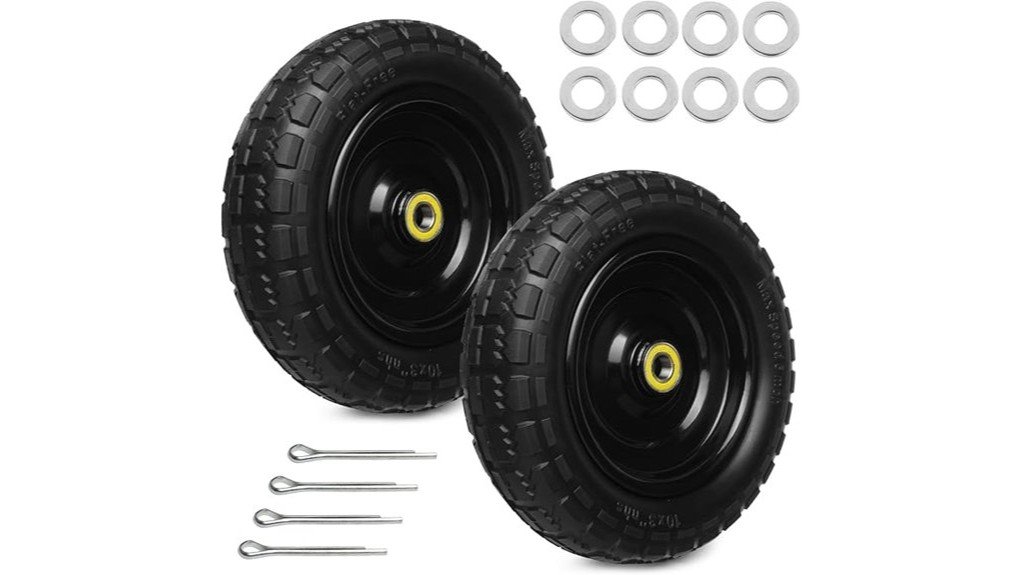
A flat tire can stop a garden cart, hand truck, or wheelbarrow right when you need it most. The Storystore 10 Inch Solid Rubber Tires are made for small hauling equipment that uses 4.10/3.50-4 replacement wheels and a 5/8-inch axle. This review explains the fit details, flat-free construction, best uses, and tradeoffs so you can decide if this 2-pack belongs on your cart.
Quick Verdict
Rating: 8/10
Best For: You need flat-free 10-inch replacement wheels for light to moderate hauling on a garden cart, hand truck, trolley, wheelbarrow, or yard trailer.
Bottom Line: These Storystore wheels give you a puncture-resistant polyurethane foam tire, 5/8-inch bearings, and a 2.17-inch offset hub in a practical 2-pack. The main tradeoff is fit and ride comfort, since you must match your axle and hub spacing and accept a firmer feel than pneumatic tires.
| Specification | Detail |
|---|---|
| Brand | Storystore |
| ASIN | B0D5PR727X |
| Manufacturer Part Number | wb10.2 |
| Product Type | Flat-free replacement wheel set |
| Wheel Size | 10 inches |
| Tire Size | 4.10/3.50-4 |
| Bearing Size | 5/8 inch |
| Hub Offset | 2.17 inches |
| Tire Material | Puncture-proof polyurethane foam |
| Exterior Finish | Alloy steel |
| Bearing Material | Bearing steel, based on supplied listing details |
| Rim Size | 10 inches |
| Pitch Circle Diameter | 1.5 inches |
| Package Quantity | 2 wheels |
| Compatible Equipment | Garden cart, hand truck, trolley, wheelbarrow, yard trailer |
| Best Use | Light to moderate hauling where flat prevention matters more than cushioning |
| Load Rating | Not clearly stated in the accessible details supplied for this review |
| Available Variants | 10-inch 2 pack, 10-inch 4 pack, 13-inch 2 pack, 13-inch 4 pack |
[Products Worth Considering]

Replace worn wheelchair rear tires with a universal 24x1 no-flat polyurethane foam option designed to mount tightly on 24-inch rims without the tire falling off. Installation is made easier with included tools and multiple methods, including using a pry bar or softening the tire in hot water to reduce resistance. The package includes two tires plus tie ropes for convenient fitting and handling.
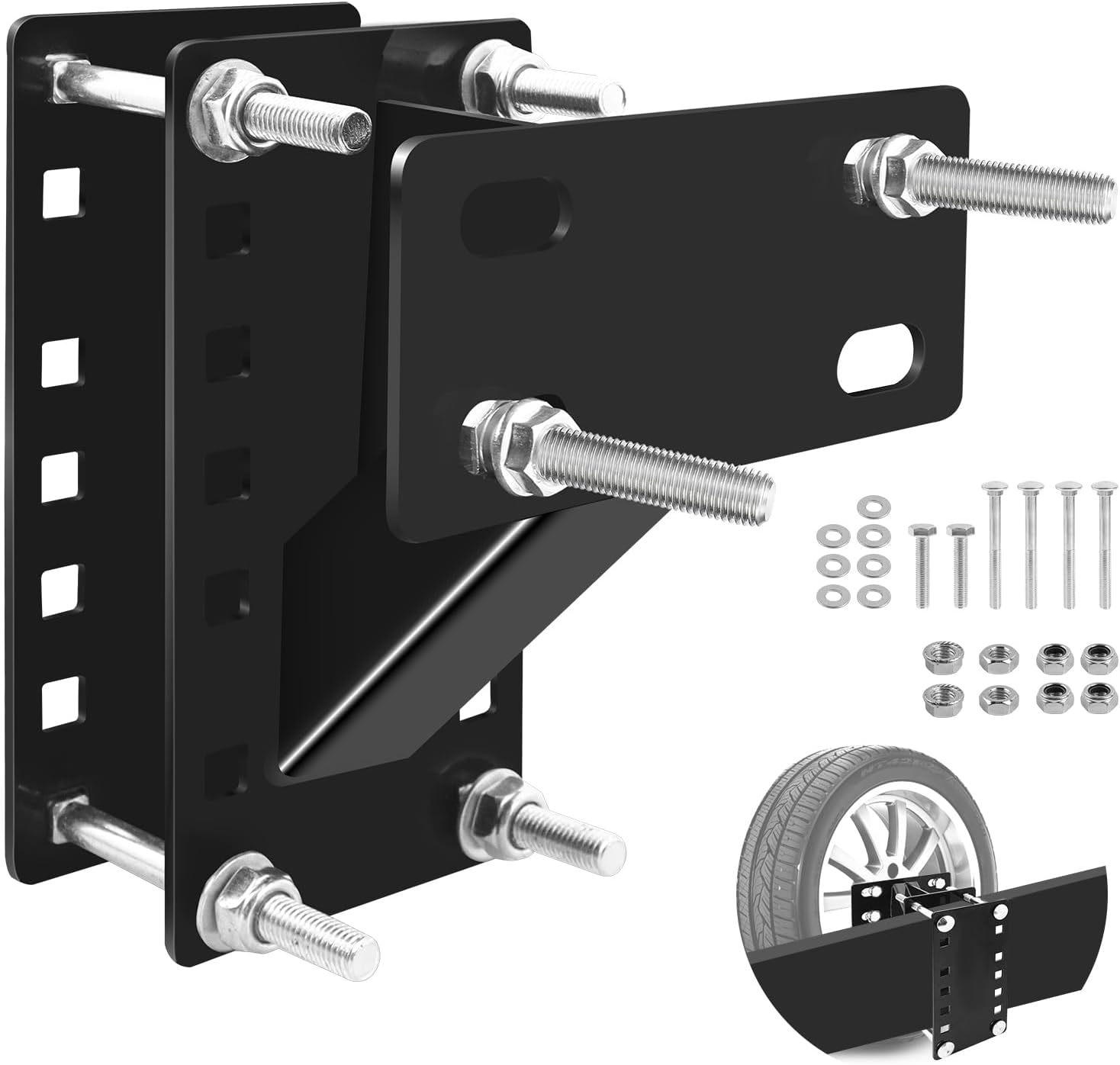
This universal spare tire mount carrier holder is built for utility trailers and boat trailers, offering a secure fit for 4, 5, and 6 lug wheels. It supports multiple bolt pattern sizes and a heavy-duty load capacity while resisting rust with a durable finish. The design allows easy installation and lets you choose the steel beam height for a better fit.

This universal spare tire mount fits 4, 5, and 6 lug trailer wheels with bolt patterns from 4" to 5.5" and helps keep your tire securely locked in place. Its reinforced triangular structure with a sturdy behind plate is designed to handle up to 150 lbs, making it suitable for boat, camper, and RV spare tire mounting. The angled raised design reduces wind resistance and installation is straightforward with different length bolts and no drilling required.
What Is the Storystore 10 Inch Solid Rubber Tire?
The Storystore 10 Inch Solid Rubber Tires are 4.10/3.50-4 flat-free replacement wheels sold as a 2-pack. They are built for small outdoor hauling equipment, including garden carts, hand trucks, trolleys, wheelbarrows, and yard trailers. The supplied listing details identify the tire body as puncture-proof polyurethane foam, with an alloy-steel exterior finish and 5/8-inch bearings.
The main benefit is simple: you get a 10-inch wheel that does not rely on air pressure. That matters if your cart often rolls over mulch, gravel, packed soil, small sticks, or garage debris. A pneumatic wheel can ride softer, but this flat-free design removes tube punctures, slow leaks, and repeated inflation checks.
Fit is the detail that decides whether this tire is a smart buy or a return. Before ordering, compare your current tire size, axle diameter, hub offset, hub length, and side clearance. The 4.10/3.50-4 size, 5/8-inch bearing, and 2.17-inch offset hub need to match your equipment closely.
Before You Buy: Do not buy by tire diameter alone. Measure your axle bore, old hub width, hub offset, and frame clearance because a 10-inch wheel can still rub, wobble, or fail to install if the hub setup is different.
Key Takeaways
- These Storystore tires are 10-inch, 4.10/3.50-4 flat-free replacement wheels sold as a 2-pack.
- The supplied details list puncture-proof polyurethane foam, 5/8-inch bearings, and a 2.17-inch offset hub.
- They fit common hauling equipment such as garden carts, hand trucks, trolleys, wheelbarrows, and yard trailers when the axle and hub measurements match.
- They reduce downtime from punctures, tube leaks, and air-pressure maintenance.
- You should skip them if your cart needs a different axle bore, centered hub, wider hub spacing, verified heavy-duty load rating, or pneumatic cushioning.
How We Reviewed This Product
We reviewed the supplied product details, article claims, item identifiers, available variants, and buyer-critical fit information before editing this review. We focused on the details that decide whether this wheel will actually fit your equipment: 4.10/3.50-4 sizing, 5/8-inch bearings, the 2.17-inch offset hub, and compatible equipment types.
We did not add unverified load ratings, warranty length, accessories, review counts, or availability claims. The accessible information for this edit did not clearly confirm those details, so the review stays focused on facts already supported by the supplied article.
Who Should Buy It?
Best For
- You use a garden cart, hand truck, trolley, wheelbarrow, or yard trailer with 10-inch 4.10/3.50-4 wheels and a 5/8-inch axle.
- You haul soil, tools, mulch, firewood, or boxes over pavement, gravel, packed dirt, or grass and want fewer flat-tire interruptions.
- You prefer low-maintenance wheels over the softer ride of pneumatic tires.
Skip If
- Your current wheel uses a different axle diameter, centered hub, wider hub, or hub length that does not match the 2.17-inch offset design.
- You need maximum cushioning for fragile loads because solid polyurethane foam does not absorb bumps like an air-filled tire.
- You need a verified heavy-duty load rating before buying, since the supplied details did not clearly state a specific load capacity.
Fit and Compatibility
The Storystore 10-inch tire is best treated as a replacement wheel for equipment that already uses the same size and hub setup. If your current tire sidewall reads 4.10/3.50-4, this model is in the right size family. You still need to confirm the axle bore and hub position before you order.
The bearing size matters as much as the tire size. These wheels use 5/8-inch bearings, so your axle needs to match that bore. If your axle is 1/2 inch, 3/4 inch, or metric, do not assume this wheel will fit without adapters or a different bearing setup.
Hub spacing is the other key measurement. This tire uses a 2.17-inch offset hub, which affects how the wheel sits between brackets, washers, or frame supports. Measure the old hub and check both sides of the wheel area so the new tire does not rub or leave too much side play.
Pro Tip: Take one old wheel off before ordering and measure the axle diameter, hub width, and offset with a ruler or caliper. Also keep the old washers, collars, cotter pins, or push nuts until the new wheel spins freely.
Materials and Build Quality
These tires are marketed as solid rubber tires, but the supplied material detail identifies the tire body as puncture-proof polyurethane foam. That foam structure gives the tire a filled shape without an inner tube. You get the practical feel of a solid tire with no pressure maintenance.
The wheel also uses bearing steel for the bearings and an alloy-steel exterior finish in the listed specifications. That combination matters because the tire body is only one part of the wheel assembly. Smooth bearing rotation helps your cart feel easier to push, especially when carrying tools, mulch, boxes, or soil bags.
Build quality depends on fit as much as material. A solid tire with the wrong hub spacing will feel worse than a basic pneumatic tire that fits correctly. Check the 5/8-inch bearing and 2.17-inch offset hub before you judge the design.
Traction and Surface Performance
The tread pattern is made for mixed utility use rather than speed, deep mud, or heavy off-road work. On pavement and garage floors, the solid tire gives you predictable rolling without the squirm that can come from low air pressure. On gravel and packed soil, the textured surface helps the tire grip without catching too aggressively.
Grass and loose dirt are also reasonable surfaces for this tire during normal cart use. You may feel more vibration than you would with an air-filled wheel, especially when the cart is empty. Once loaded, the steady tire shape can feel more controlled because the tire does not sag under normal light to moderate hauling.
Installation and Setup
Installation is usually simple when the measurements match. You remove the old wheel, slide the Storystore wheel onto the 5/8-inch axle, reinstall the washers or retaining hardware, and check that the wheel spins freely. If the hub offset is wrong, the tire may rub the frame or leave too much side play.
Keep your old hardware until the new wheel is installed and tested. Many carts use push nuts, washers, cotter pins, or collars to hold the wheel in place. A wrench, pliers, socket set, and rubber mallet are often enough for the job, but your exact tool needs depend on your cart hardware.
[Products Worth Considering]

Mount your spare tire off the floor and onto your wall using an e-track spare tire carrier that helps you stay organized in trailers, garages, and warehouses. The upgraded double-fittings design improves stability versus single-fittings and supports greater load bearing. Install by snapping into e-track anchor points and securing the tire with a lug-nut style bolt setup for quick, secure storage.

Camco’s RV wheel chocks with an attached rope help keep your travel trailer securely in place for safer unhitching or parking. This 2-pack is compatible with wheels up to 26-inch diameter and features durable UV-resistant construction for reliable outdoor performance. The rope enables quick, safe removal so you can prepare for your next trip with less hassle.
Maintenance and Storage
These wheels remove the biggest maintenance task: keeping pneumatic tires inflated. You do not need to patch a tube, replace a valve stem, or stop work because of a thorn puncture. That makes them useful for carts stored in sheds, garages, barns, or outdoor work areas.
Basic upkeep still matters. Clean packed mud from the tread, remove string or weeds from the axle area, and check the bearings if the wheel starts to grind or drag. You should also avoid overloading your cart, especially because the supplied details did not clearly state a verified load rating.
Compatibility and Safety Notes
A flat-free wheel can help prevent downtime, but it does not make small equipment safe for loads beyond its design. Follow your cart, hand truck, trolley, wheelbarrow, or trailer instructions for load limits and use. Since a verified load rating was not clear in the supplied details, treat these as light to moderate hauling wheels unless your equipment maker confirms otherwise.
Solid polyurethane foam tires also transfer more bump force than pneumatic tires. Use care around fragile loads, uneven concrete, roots, and rocks. If you regularly haul heavy items, sharp-edged materials, or breakable cargo, compare this wheel with a pneumatic tire or a replacement wheel with a clearly stated load capacity.
How It Performs in Real Use
In a Garden Cart
For garden-cart work, the 10-inch wheel size gives you enough clearance for mulch paths, packed soil, and grass. The flat-free polyurethane foam design is helpful when your cart sits for weeks between projects because there is no tire pressure to lose. You can load soil bags, hand tools, or small firewood bundles without stopping to inflate the tires first.
On a Hand Truck
On a hand truck, the 5/8-inch bearing size and solid wheel shape help with steady movement over pavement, warehouse floors, driveways, and garage thresholds. You may feel more bump transfer when crossing cracks or uneven concrete. For boxes, bins, and general household hauling, the tradeoff is usually acceptable.
For Yard Trailer and Wheelbarrow Tasks
On a yard trailer or wheelbarrow, fit becomes the main concern. The 2.17-inch offset hub must match your frame spacing so the tire stays centered and clears the brackets. When the fit is right, the flat-free build is useful for yard work where sticks, stones, and debris would threaten a tube tire.
For Stored or Seasonal Equipment
These tires make sense for equipment that sits unused for long stretches. A pneumatic tire can lose pressure while stored, especially in a shed or garage. A solid polyurethane foam tire stays ready without inflation, which helps when you only use the cart for seasonal cleanup, gardening, or occasional moving jobs.
Fit Tips Before You Buy
- Read the old sidewall: Look for 4.10/3.50-4 on the tire before you assume this 10-inch wheel will match.
- Measure the axle: Confirm that your axle is 5/8 inch, not 1/2 inch, 3/4 inch, or a metric size.
- Check hub spacing: Compare the old hub width and offset with the 2.17-inch offset listed for this wheel.
- Test clearance: Make sure the tire will not rub the frame, brackets, fenders, or washers.
- Match your load needs: Choose another option if you need a clearly verified heavy-duty load rating.
Pros and Cons
Pros
- Flat-free polyurethane foam design removes punctures, tube leaks, and pressure checks.
- 10-inch 4.10/3.50-4 size fits many common garden carts, hand trucks, trolleys, wheelbarrows, and yard trailers.
- 5/8-inch bearings match a common small-equipment axle size.
- 2-pack format is practical when you need to replace both wheels at the same time.
- Textured tread gives useful grip on pavement, packed soil, grass, and gravel paths.
Cons
- Solid polyurethane foam rides firmer than pneumatic tires on roots, stones, and cracked concrete.
- Fit depends on the exact 5/8-inch bearing and 2.17-inch offset hub measurements.
- Warranty terms and load rating were not clearly stated in the accessible details supplied for this review.
Is It Worth the Price?
The Storystore 10 Inch Solid Rubber Tires make the most sense as a practical maintenance upgrade. You are not paying for a premium ride, advanced suspension, or a specialty load tire. You are paying for a simple 2-pack that helps you avoid flats on equipment that spends time around yard debris and rough surfaces.
Value is strongest if both wheels on your cart are worn, cracked, or repeatedly losing air. Replacing both sides at once can improve balance and reduce future downtime. It is a smart buy for everyday use if the 4.10/3.50-4 size, 5/8-inch bearings, and 2.17-inch offset hub match your existing setup.
You get less value if your cart handles fragile loads, heavy commercial work, or surfaces where cushioning matters. In those cases, a pneumatic tire or a model with a clearly verified load rating may be a better fit.
How It Compares to Alternatives
Compared with other 10-inch 4.10/3.50-4 flat-free replacement wheels, the Storystore option is mainly about the listed 5/8-inch bearing, 2.17-inch offset hub, and 2-pack format. That makes it useful when you want to replace both sides at the same time and avoid air-pressure maintenance.
A different flat-free wheel may be better if you need bearing adapters, a centered hub, a different hub length, or a clearly stated load rating. A pneumatic wheel may be better if you care more about cushioning than puncture resistance. The Storystore tire makes the most sense when fit is confirmed and low maintenance is your top priority.
Frequently Asked Questions
How do I install these tires on my cart?
Remove the old wheel, keep the washers or retaining hardware, and slide the new Storystore wheel onto a 5/8-inch axle. Reinstall the hardware, then spin the wheel by hand to confirm it does not rub the frame or wobble side to side.
Are these tires compatible with lawn and garden equipment?
They may fit lawn and garden equipment that uses 10-inch 4.10/3.50-4 wheels with 5/8-inch bearings and compatible hub spacing. Do not buy based on wheel diameter alone, because the 2.17-inch offset hub must also match your equipment.
Do they work well on gravel and dirt paths?
Yes, they are a good match for gravel, packed dirt, grass, and pavement during normal cart use. The textured tread helps with grip, while the polyurethane foam construction prevents punctures from small debris.
Will these ride like pneumatic tires?
No. Solid flat-free tires ride firmer because they do not have an air cushion inside. They are better for puncture resistance and low maintenance, while pneumatic tires are better for absorbing bumps.
What should I measure before buying?
Measure your current tire size, axle diameter, hub length, hub offset, and frame clearance. This Storystore model is built around a 10-inch 4.10/3.50-4 size, 5/8-inch bearing, and 2.17-inch offset hub.
How do I maintain solid rubber tires?
Clean mud and debris from the tread, check for axle buildup, and inspect the bearings if rolling becomes noisy or stiff. You do not need to inflate the tire or check air pressure because the tire is solid polyurethane foam.
Should I replace one wheel or both wheels?
The 2-pack format is useful when both wheels are worn, cracked, or repeatedly losing air. Replacing both sides can help the cart roll more evenly, but you should still confirm that both wheel positions use the same axle and hub spacing.
Who should skip these Storystore wheels?
Skip them if your axle is not 5/8 inch, your hub spacing is different, or you need a centered hub. You should also compare other options if you haul fragile loads, need pneumatic cushioning, or require a clearly verified heavy-duty load rating.
The Bottom Line
The Storystore 10 Inch Solid Rubber Tires earn an 8/10 because they solve a real problem: flat tires on small hauling equipment. You should buy them if your cart, trolley, hand truck, wheelbarrow, or yard trailer matches the 4.10/3.50-4 size, 5/8-inch axle, and 2.17-inch offset hub. You should look elsewhere if you need pneumatic cushioning, a different hub setup, or a verified heavy-duty load rating.

Related Articles
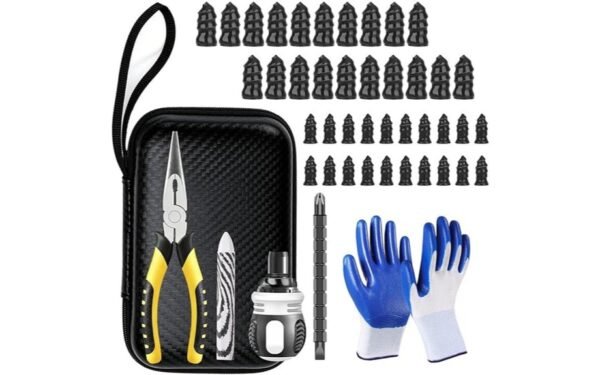
Tire Screw Plug Repair Kit Review
Compact tire screw plug repair kit review reveals fast roadside fixes, but which punctures are truly safe enough to trust?
Read More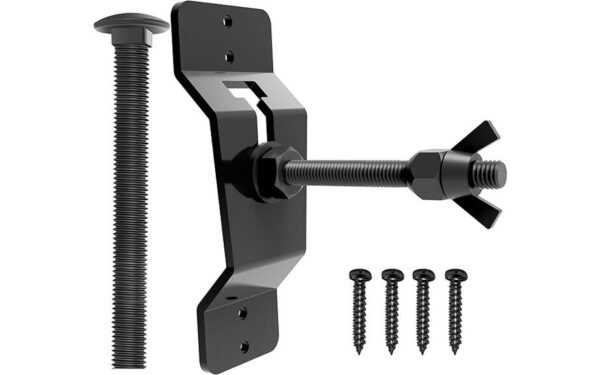
Wall Mount Spare Tire Carrier Mount Review
I review the wall mount spare tire carrier’s fit, strength, and stability—see what could make or break your trailer setup.
Read More
Socpuro Tire Repair Patch Tool Kit Review
Great for quick DIY puncture fixes, the Socpuro Tire Repair Patch Tool Kit has limits and surprises you’ll want to know before buying.
Read More